For years, the public tried to explain Valerie Bertinelli and Eddie Van Halen’s marriage through the familiar language of celebrity scandal. Some blamed the pressures of fame. Others pointed to addiction, infidelity, or the chaos surrounding one of rock music’s biggest stars. But nearly two decades after their divorce, Valerie offered a far more painful explanation: the marriage did not end because of one dramatic betrayal. It ended because she had slowly disappeared inside it.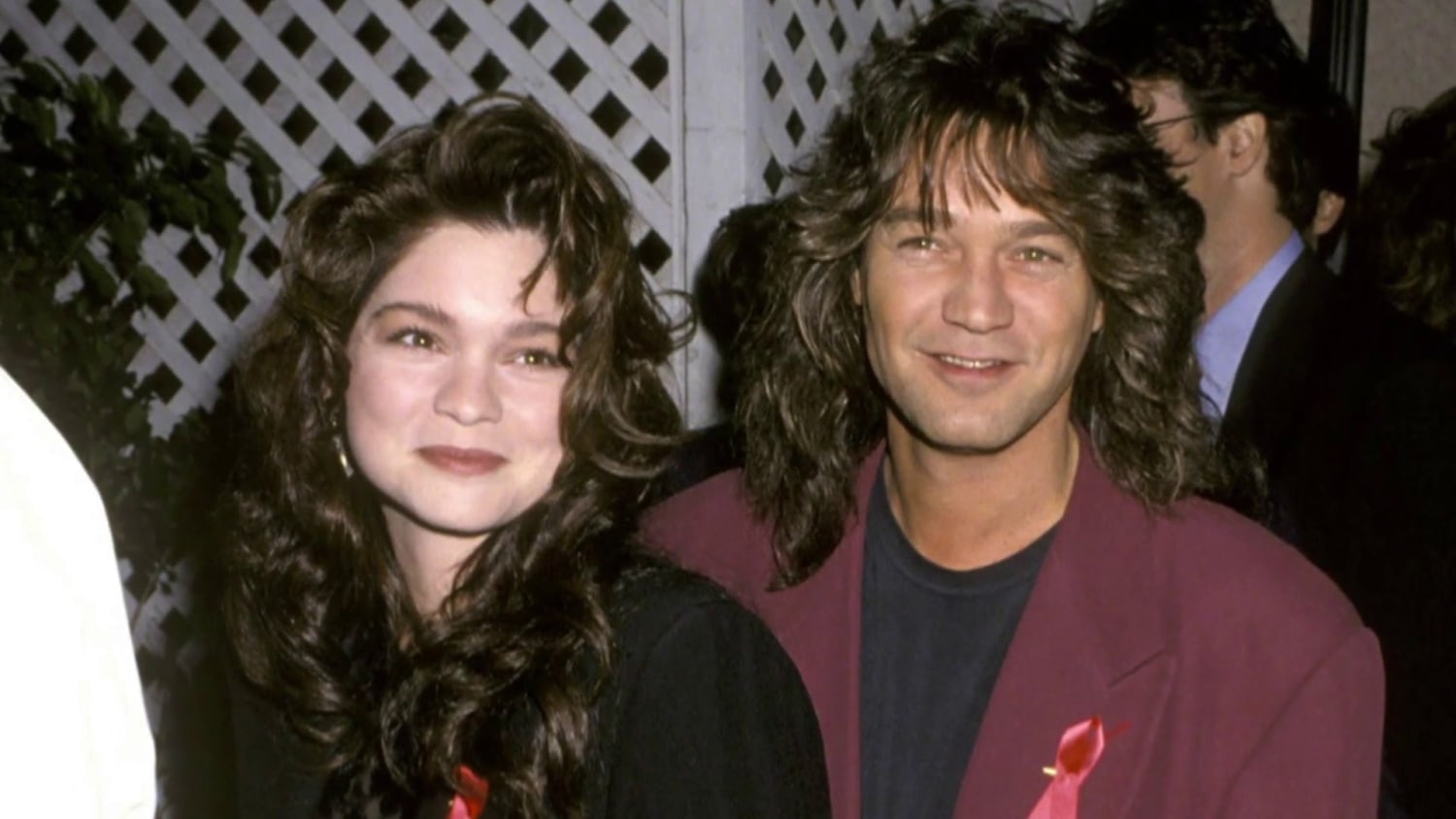
When Valerie met Eddie, they seemed to come from completely different worlds. She was one of America’s most familiar young television stars, known for her warmth, reliability, and carefully controlled public image. Eddie was a musical genius living inside the relentless culture of touring, late nights, alcohol, and rock-and-roll excess. Their attraction was immediate, and they married in 1981 while both were still remarkably young.
At first, their differences made the relationship feel exciting. Valerie brought stability into Eddie’s unpredictable world, while he offered a sense of freedom and intensity she had never experienced. But over time, the qualities that had drawn them together began creating an exhausting imbalance.
As Eddie’s addiction worsened, Valerie gradually became more than a wife. She became his caretaker, emotional shield, and crisis manager. Periods of sobriety offered hope, but each relapse damaged the trust between them. Instead of sharing a life together, the marriage increasingly revolved around monitoring his behavior, managing emergencies, and protecting their son, Wolfgang, from the worst moments.
According to Valerie’s later reflections, addiction did not destroy the relationship all at once. It entered quietly, reshaping routines and expectations until chaos became normal. Love remained, but emotional safety disappeared.
Eddie’s health problems deepened the strain. After doctors discovered cancer on his tongue, Valerie hoped the diagnosis would finally force lasting change. He underwent surgery, but his decision to continue smoking left her frightened and furious. The anger was not a lack of compassion—it was the exhaustion of watching someone she loved repeatedly ignore the very steps that might save his life.
By then, their relationship had changed profoundly. Friends reportedly saw less of a romantic partnership and more of a bond resembling family or siblings. They still cared for each other, but intimacy and trust had been worn down by years of addiction, illness, fear, and emotional distance.
Valerie had also endured private heartbreak of her own. After suffering a miscarriage, she devoted herself deeply to motherhood when Wolfgang was born. Creating stability for their son became her greatest priority, even as the marriage around her continued quietly dissolving.
When Valerie and Eddie separated, there was no explosive confrontation. They lived apart for months before the public learned anything. Valerie chose silence partly because Eddie was battling cancer and she did not want their private collapse turned into entertainment. She moved out with Wolfgang, while she and Eddie continued seeing each other as parents and longtime companions.
That silence allowed outsiders to create their own explanations.
Some assumed there had been one unforgivable act. Others imagined a dramatic betrayal. Valerie later explained that there was no single moment. The marriage had simply run out of emotional oxygen. Years of caretaking and vigilance had left her depleted, and remaining in the relationship meant continuing to abandon herself.
For years afterward, she softened the truth by calling Eddie her soulmate. That description helped her preserve the beautiful parts of their history and process the grief of losing him. After his death in 2020, she mourned not only the man he had become but also the young musician she had once loved so intensely.
Eventually, however, she recognized that the soulmate narrative was incomplete.
Valerie admitted that while their early love had been genuine, the marriage became marked by alcohol, addiction, infidelity, and emotional instability. What remained at the end was not a healthy romantic partnership but a powerful family bond centered on Wolfgang. Letting go of the fantasy did not erase the good years. It allowed her to remember them honestly.
The deepest reason for the divorce, she explained, was the absence of safety.
She had spent years waiting for the next relapse, crisis, or promise that would not last. Over time, constant vigilance taught her to shrink her own needs. She confused endurance with devotion and believed that loving someone meant never giving up. Eventually, she understood that loyalty to a relationship should not require the destruction of the self.
Walking away was not proof that she had stopped loving Eddie. It was proof that she finally understood love alone could not sustain a marriage without accountability, trust, emotional presence, and mutual care.
Even after the divorce, Valerie remained deeply connected to him. She supported him through his final years and continued loving him as family and as the father of their son. But she no longer describes the end of their marriage as a failure. It gave her profound joy, painful lessons, and the greatest gift of her life in Wolfgang.
Today, Valerie speaks openly not to vilify Eddie Van Halen, but to give language to an experience many people endure quietly. Sometimes a relationship ends not because love vanishes, but because staying requires one person to disappear completely.