For decades, Al Pacino and Diane Keaton represented one of Hollywood’s most fascinating connections.
They were not the typical celebrity couple.
They were two extraordinary artists who came from very different backgrounds, yet created something unforgettable together both on screen and in real life.
Audiences first saw their chemistry in The Godfather, where Pacino played Michael Corleone and Keaton portrayed Kay Adams.
Their characters represented two worlds.
Michael was drawn into a life of power, secrecy, and family expectations.
Kay represented innocence, honesty, and the possibility of a different future.
But behind those famous performances was a real friendship and emotional connection that lasted for decades.
After Diane Keaton’s passing, reflections about their relationship revealed something many fans had always suspected:
Their bond was much deeper than a simple Hollywood romance.
Al Pacino was born in 1940 in New York City.
Growing up in a working-class neighborhood, he developed a passion for acting at a young age.
His path to success was not easy.
He studied acting, performed in theater, and spent years struggling before becoming one of the most respected performers of his generation.
Then came The Godfather in 1972.
The role of Michael Corleone transformed Pacino’s life.
Although studio executives initially questioned whether he was the right choice for the part, his performance proved them wrong.
The film became a masterpiece, and Pacino became an international star.
Around the same time, Diane Keaton was building her own reputation.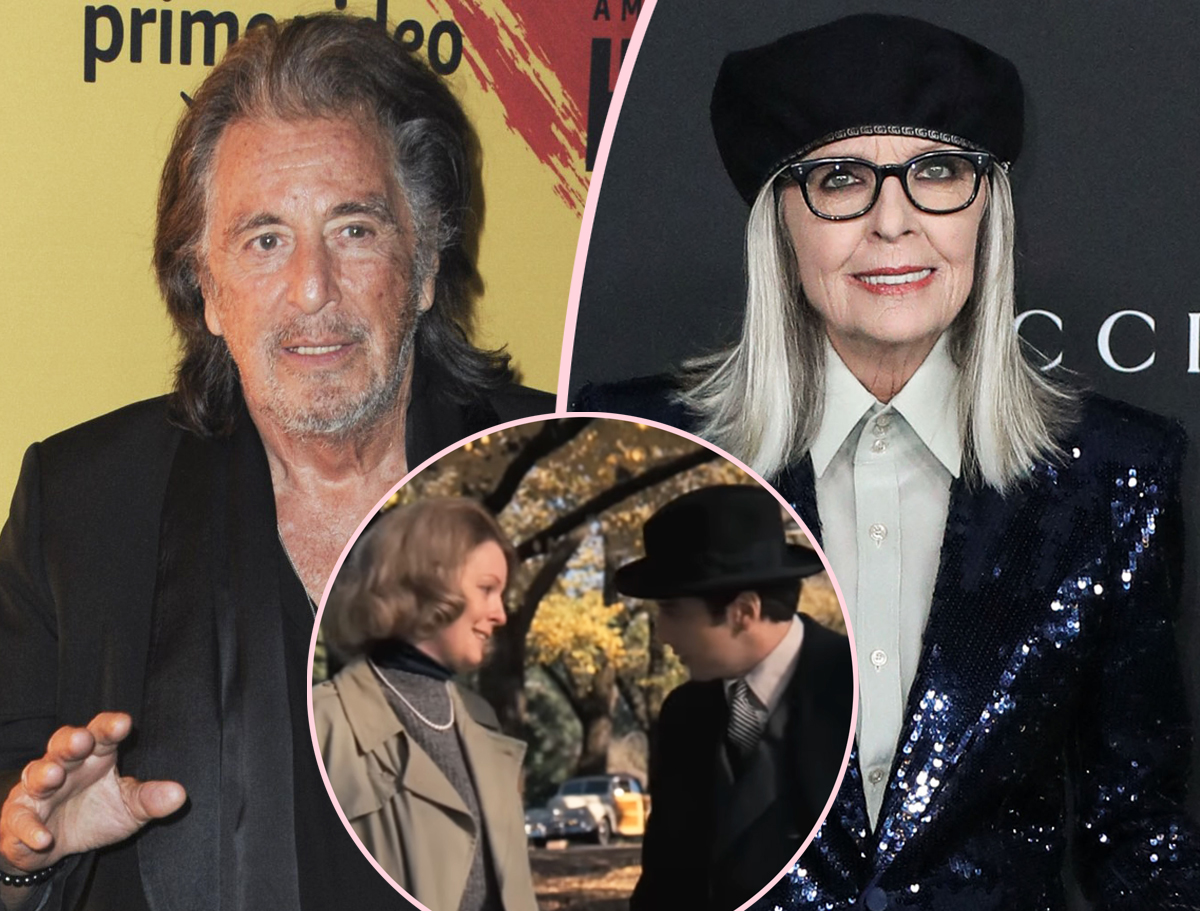
Born in 1946 in Los Angeles, Keaton developed her career through theater before gaining wider recognition.
Her unique personality, intelligence, and unconventional style made her stand out in Hollywood.
When she joined The Godfather, few people could have predicted how memorable her connection with Pacino would become.
On screen, Michael and Kay’s relationship was tragic and complicated.
But behind the scenes, Pacino and Keaton developed a genuine closeness.
Their relationship evolved beyond the film set.
They became romantically involved during the early years of their careers, but their connection was never simple.
Both were independent.
Both were deeply committed to their artistic lives.
And both had personalities that made traditional relationships difficult.
Keaton later described Pacino as someone who fascinated her.
She admired his intensity, his talent, and the emotional depth he brought to his work.
Pacino, in turn, respected Keaton’s honesty and individuality.
She was unlike anyone else he had known.
While many Hollywood relationships are remembered for drama and conflict, their connection was defined more by affection and mutual understanding.
They continued working together through The Godfather Part II and The Godfather Part III, creating one of cinema’s most memorable on-screen partnerships.
Even after their romantic relationship ended, they remained connected.
That may have been the most unusual part of their story.
They did not become bitter.
They did not erase each other from their lives.
Instead, they carried a lasting respect that survived changing circumstances.
Diane Keaton became one of Hollywood’s most celebrated actresses.
Her performances in films such as Annie Hall, Something’s Gotta Give, and Father of the Bride demonstrated her incredible range.
She became known not only for her acting talent but also for her confidence, humor, and refusal to follow traditional expectations.
Al Pacino continued building one of the greatest acting careers in film history.
From Serpico and Dog Day Afternoon to Scarface and Scent of a Woman, he became known for unforgettable performances filled with emotional power.
Yet despite their separate successes, their connection remained a special part of both their stories.
For years, Keaton spoke warmly about Pacino.
She often described their relationship as one of the most important romantic chapters of her life.
Pacino rarely revealed much publicly about his private emotions, but those who knew them understood that the bond was meaningful.
Their story was not a perfect love story.
It was something more realistic.
Two people who loved each other but could not build a traditional life together.
Two artists whose careers and personalities made their relationship complicated.
Two people who still recognized the importance of what they shared.
Diane Keaton’s passing brought renewed attention to that connection.
It reminded fans that some relationships do not need a conventional ending to remain significant.
Sometimes people leave a permanent mark on each other’s lives even when they walk different paths.
Al Pacino and Diane Keaton created one of cinema’s greatest fictional romances.
But their real-life story may have been even more interesting.
It was not about a dramatic Hollywood ending.
It was about admiration.
Respect.
And a connection that lasted far beyond their time together as a couple.