The sitcom that redefined American television’s boundaries almost never made it to air, and the man who became its iconic, shoe-selling patriarch has finally pulled back the curtain on decades of secrets. Ed O’Neill, in a series of candid new interviews, has broken his silence on the casting chaos, bitter behind-the-scenes feuds, and personal regrets that defined Married with Children, revealing a show that was nearly derailed before it ever found its footing. The revelations paint a picture of a production held together by sheer will, where the laughter on screen masked a web of tension, heartbreak, and creative battles that even the most devoted fans never fully understood.
The foundation of the Bundy family was anything but stable. O’Neill disclosed that the original pilot featured a completely different set of actors for the roles of Kelly and Bud Bundy, played by Tina Caspary and Hunter Carson. The chemistry, he explained, was simply off.
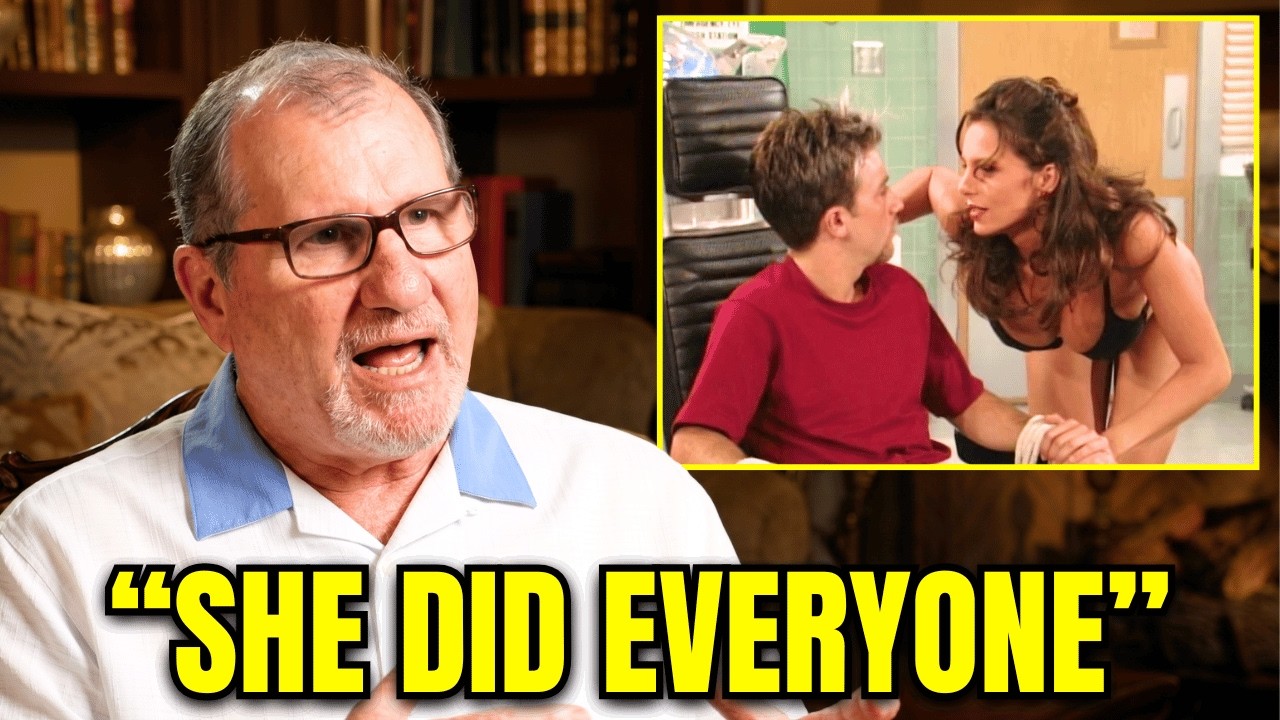 The network, a fledgling Fox still fighting for relevance, grew deeply concerned that the family dynamic wouldn’t ring true around O’Neill’s portrayal of Al. The decision to replace them was brusque and painful, leaving the young actors blindsided after believing they had secured permanent roles. O’Neill admitted feeling a heavy sense of guilt, recognizing that their firing was not a reflection of talent but of how they orbited around him.
O’Neill himself nearly lost the role before the show began. Despite his now-legendary audition, where he slumped into a chair with a weary sigh inspired by real people he knew, network executives hesitated. Fox was not ready to bet on an unknown actor without a proven track record.
Weeks passed without a call, and O’Neill thought he had blown his chance. It was only the fierce insistence of the show’s creators, who believed his mix of defeated humor and genuine frustration was irreplaceable, that saved the part. The casting of Christina Applegate and David Faustino as the new Kelly and Bud finally clicked, creating the dysfunctional puzzle that audiences would latch onto for over a decade.
O’Neill’s approach to Al Bundy was radically different from any sitcom patriarch before him. He did not deliver lines with a practiced wink to the audience. Instead, he leaned into playing Al as a man genuinely ground down by life’s disappointments, every defeated sigh and sarcastic comment feeling painfully real.
This raw emotional truth gave the character depth, making audiences laugh while also sympathizing with his plight. O’Neill would obsessively go through scripts, slipping in mannerisms picked up from his own family, ensuring the timing stayed funny but the underlying emotion cut through. This intensity, however, became a double-edged sword, creating friction with cast and crew who approached the role more casually.
The pressure of performing in front of a live studio audience of 300 to 500 people every week added another layer of relentless stress. Unlike shows with laugh tracks, the cast faced immediate, unfiltered reactions. If a joke landed, the energy surged, but when a scene fell flat, the silence was crushing.
 O’Neill recalled moments when he could feel the audience’s attention wane, forcing the cast to improvise or push harder to win them back. Physical comedy proved particularly grueling, with O’Neill performing countless pratfalls and stunts that left him with real bruises and aches, including a memorable scene involving oversized women’s shoes that wore down his back by the fifth season.
One of the most surprising and personal revelations from O’Neill involves his long-standing feud with Amanda Bearse, who played Marcy Rhodes. The tension, which fans had long suspected, was confirmed as real and lasting for years. It began with a seemingly small incident in 1989, when a TV Guide cover featured only O’Neill and Katey Sagal, leaving out Bearse and David Garrison.
O’Neill admitted he knew about the cover beforehand but stayed quiet, figuring as the lead it made sense. Bearse felt disrespected and pushed aside, and O’Neill’s silence widened the gap. By 1993, the distance was so great that Bearse did not invite O’Neill to her wedding, a move he took as a public statement that their relationship was purely professional.
The feud simmered for years, with the two barely speaking outside of scripted scenes. Other cast members, including Sagal, tried to mediate, but both sides remained stubborn. Christina Applegate found herself stuck in the middle, unsure how to act without making things worse.
O’Neill later admitted his ego got in the way, causing him to miss what Bearse was actually feeling. At a fan convention in 2025, Bearse said she still wished O’Neill had stood up for the entire cast back then. O’Neill has expressed a desire to apologize if given the chance, but it remains unclear if they have ever truly reconciled in private, a testament to how even a close-knit on-screen family can harbor real, long-lasting tensions.
 O’Neill was not a passive performer; he actively shaped Al Bundy, sometimes clashing with writers and producers when storylines pushed too far. He vigilantly guarded the balance between Al as a lovably defeated loser and a genuinely cruel figure. One particular episode, which he refused to name, featured a scene he believed crossed this line, nearly sparking a major conflict.
O’Neill insisted that turning Al into a villain would alienate viewers and undermine the character’s relatability. After tense discussions, the scene was rewritten to soften Al’s portrayal while preserving the show’s edgy tone. This was not the only time he questioned the creative direction, especially in later seasons when scripts recycled jokes, forcing him to ad-lib and alter line deliveries to keep his performance fresh.
The infamous boycott led by Terry Rakolta in 1989 threatened to end the show entirely. Major advertisers like Coca-Cola and Procter and Gamble pulled out, and Fox temporarily pulled episodes. Behind the scenes, the cast and crew were engulfed by fear and uncertainty.
O’Neill revealed that Fox executives panicked, holding meetings about toning down the content or reworking the series to calm critics. The cast was caught in between, unsure how to respond to the press. O’Neill initially leaned into defense, calling the show satire, but the network told him to go quiet.
Sagal described the period as terrifying, with cancellation looming at any moment. The boycott, however, backfired spectacularly, driving ratings up as curious viewers flocked to see the controversial show.
 One of the most painful moments on set involved Sagal’s pregnancy and the devastating loss of her baby. The writers had incorporated her pregnancy into the storyline, planning for the Bundys to welcome a new addition. But in her seventh month, Sagal suffered a miscarriage, a heartbreaking event that deeply affected everyone.
O’Neill admitted he struggled with how to support her, keeping his distance and speaking very little, a silence he now calls a mistake. The loss forced a complete rewrite of the pregnancy storyline into a surreal dream sequence, an awkward fix that allowed the show to move forward without forcing Sagal to relive her pain on camera. She has since called it the hardest time of her life, and O’Neill feels guilty for prioritizing professionalism over emotional support.
Reflecting on the show’s place in today’s culture, O’Neill is blunt. He believes a sitcom like Married with Children could not be approved in 2025, given shifting audience expectations and the risk-averse nature of modern networks. He acknowledges that Al Bundy’s sexist jokes, once seen as ironic and exaggerated, might now be read as endorsements of harmful attitudes.
Despite this, O’Neill is proud of the show’s legacy, acknowledging it paved the way for darker, more irreverent comedies like It’s Always Sunny in Philadelphia and Family Guy. He also feels frustration that the show’s controversy prevented his co-stars from receiving the awards and critical recognition they deserved, a collective loss that still weighs on him.