Quentin Tarantino has revealed poignant details about the late Michael Madsen, shedding light on their decades-long friendship marked by loyalty, missed opportunities, and profound respect. The iconic director recounted a voicemail from Madsen that became a lasting testament to their bond, casting new light on the actor’s multifaceted legacy.
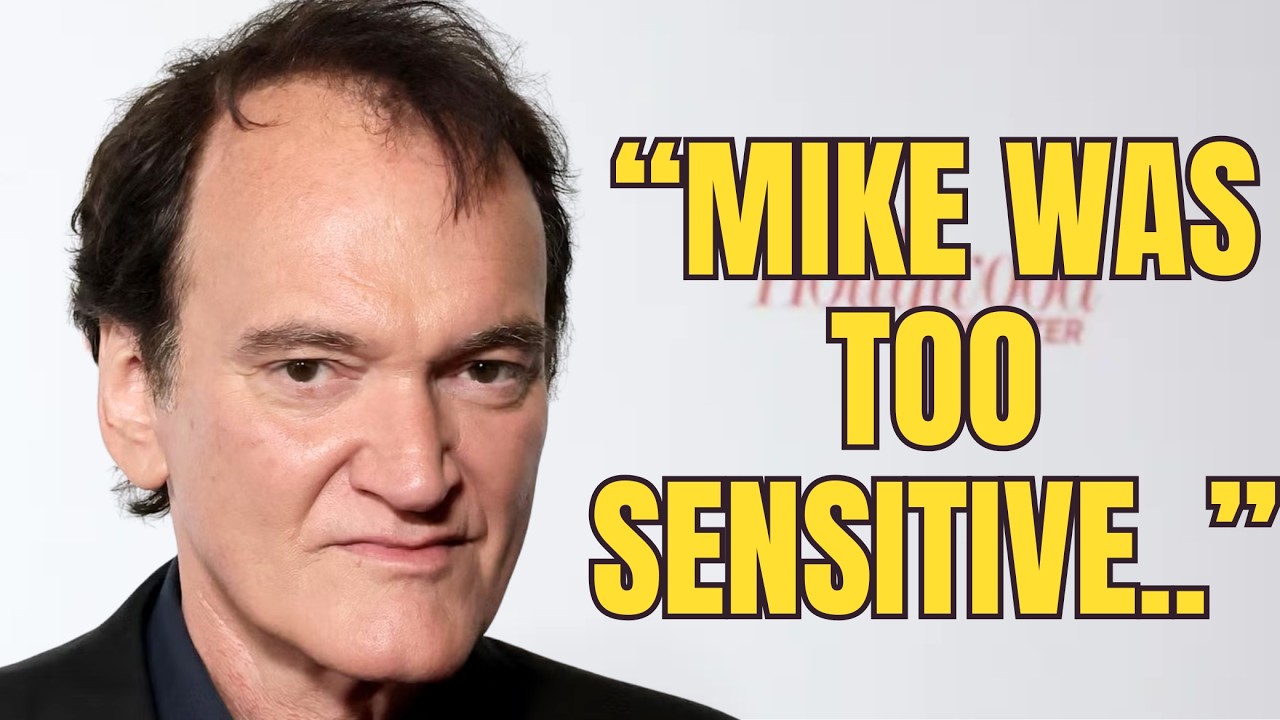
More than three decades before Michael Madsen’s death at 67, a simple voicemail to Tarantino during the fraught early days of Reservoir Dogs captured a remarkable moment of support. Tarantino, then a fledgling director, was convinced firing Lawrence Tierney had doomed his first film. Madsen’s message, “I’m on your side, buddy,” reassured him and echoed through their careers.
Michael Madsen, born in Chicago in 1957, came from a working-class background shaped by his firefighter father and writer mother. His early life saw a blend of practical jobs—from pumping gas to hospital orderly—before acting became a serious pursuit. A pivotal moment came when he audaciously sought training backstage after admiring a theater performance.
Hollywood often saw Madsen simply as a tough guy with a deep, dangerous voice. Yet Tarantino discerned a compelling quietness in him. Initially, Madsen aimed to play Mr. Pink in Reservoir Dogs but was cast as the menacing Mr. Blonde—an act of trusting the unproven director that defined his career. This role harnessed Madsen’s subtle menace over loud violence.
On set, Madsen’s dedication was vivid. He provided his own Cadillac and even drove co-star Kirk Baltz around in the trunk to ensure authentic fear on camera. The chilling scene where Mr. Blonde tortures Baltz’s character carried an undercurrent of Madsen’s personal reluctance, adding complexity to what might have been a straightforward villain.
The firing of Lawrence Tierney was a crisis moment that could have derailed the film. Madsen’s decisive voicemail to Tarantino that night signaled faith in the young filmmaker’s vision. This essential act of loyalty forged a lifelong friendship rooted in mutual belief amid uncertainty and professional risk, long before their fame solidified.
Their careers diverged sharply. While Tarantino became a celebrated auteur with select projects, Madsen took on a relentless workload to support his family. This disparity strained their bond, culminating when Madsen declined the iconic Vincent Vega role in Pulp Fiction—an opportunity that ultimately launched John Travolta’s revival and deepened the rift between the two men.
Years of silence followed, marked by contrasting paths and missed chances. Their eventual reunion through 𝓀𝒾𝓁𝓁 Bill offered Madsen a role that reflected his life’s trajectory—a fallen assassin grappling with faded power, worn pride, and quiet dignity. This part restored their friendship and showcased Madsen’s depth beyond the violent archetype.

Madsen’s private life was fraught with challenges. Amid publicized custody battles and personal struggles, he balanced the public image of a tough character with the tender role of a father. His poetry revealed a softer, more nuanced soul wrestling with loneliness and family bonds, contradicting the hardened veneer known to audiences.
Tragedy struck with the sudden death of Madsen’s son Hudson in 2022, a loss that devastated the actor. The grief defied easy understanding or artistic catharsis. Madsen’s public statement was stark, acknowledging the unparalleled pain of losing a child. This heartbreak underscored the private man behind the intense, sometimes troubled screen presence.
Despite facing such profound personal sorrow, Madsen continued acting and writing, driven by routine and commitment rather than confidence. His family’s ongoing struggles toward the end of his life were compounded by his grief. Yet his children remember him as a hero—a complex figure of strength, love, and unvarnished humanity beyond his public roles.
Tarantino’s tribute following Madsen’s death in 2025 deliberately moved beyond iconic performances like Mr. Blonde or Bud from 𝓀𝒾𝓁𝓁 Bill. By showcasing Madsen’s works outside his own directorial projects, Tarantino highlighted the actor’s breadth and sensitivity, asserting that Madsen’s talent transcended roles often boxed as mere violent caricatures.
At Madsen’s memorial, Tarantino recounted the voicemail’s story once again, framing it as the ultimate symbol of their connection: loyalty in the face of doubt and hardship. Their relationship, complex and imperfect, was defined by shared respect as well as real disappointment, making it one of the most enduring partnerships in contemporary cinema.
Madsen’s legacy is no longer limited to the chilling dance of Mr. Blonde or the weary assassin Bud. The unveiling of his poetry collection, Tears for My Father, Outlaw Thoughts and Poems, signals a deeper exploration into love, loss, and the masculine legacy of silence. Tarantino’s foreword acknowledges these intimate reflections as integral to understanding his art.
The news of Michael Madsen’s death initially focused on his hard-edged screen image, but Tarantino’s candid reflections have broadened the narrative, reminding the world of the actor’s hidden layers—his sensitivity, resilience, and the personal battles behind the scenes. It is a powerful reminder that public personas often conceal rich and difficult stories.
As this breaking story unfolds, the reassessment of Michael Madsen’s life and career is underway. Tarantino’s revelations invite fans and critics alike to reevaluate not only Madsen’s characters but the man whose voice and presence quietly shaped unforgettable cinematic moments and who stood steadfast in friendship through decades of change.

The release of Madsen’s poetry and Tarantino’s extensive homage marks a rare and vital moment in Hollywood’s history: an actor’s full humanity honored beyond the roles he played. This could reshape how troubled artists are remembered and how loyalty and respect persist amid the volatile world of film and fame.
In a world hungry for legends and simplified stories, Quentin Tarantino’s heartfelt account offers urgent, complex truths: Michael Madsen was not just a villain on screen but a layered human being whose loyalty, pain, and talent deserve recognition. His legacy demands both celebration and deeper understanding with urgency and care.
This breaking tribute closes a chapter on a life marked by challenges and triumphs. It reaffirms that beneath the surface of Hollywood mythos lies a network of profound relationships that survive scars and silence, challenging the often reductive narratives that dominate celebrity culture and reminding us of the power of true friendship.
As the film community mourns, the story shared by Tarantino stands as a crucial correction—providing fresh insight into a man too often misunderstood. Michael Madsen’s career, characterized by loyalty and resilience, now shines with renewed meaning, insisting that the man behind the tough facade be remembered without oversimplification or myth.

The legacy of Michael Madsen and his friendship with Quentin Tarantino exemplifies the fragile and complicated nature of Hollywood bonds. Their story, punctuated by moments of grace and regret, encapsulates the harsh realities of fame, the sacrifices behind artistry, and the enduring power of support when it matters most.
With Madsen’s death attributed to cardiac arrest complicated by serious heart disease and alcoholism, this story also underscores the often hidden toll of life in the public eye. It challenges audiences to look beyond performance to the human cost embodied in every demanding role and relentless career.
In sharing his memories and the voicemail that sustained him, Tarantino accomplishes an unprecedented act of vulnerability from one of cinema’s iconic auteurs. His testimony honors Madsen not only as an actor but as a friend whose belief in him shaped both their legacies and the films that define a generation.
The vibrations of that first voicemail continue to resonate decades later—a testament to unwavering support amid uncertainty. It reminds us that behind every great film are bonds of trust and moments of quiet courage that can change the course of art and life forever, as Tarantino’s tribute profoundly reveals.
As audiences worldwide process this news, the challenge remains: how to remember Michael Madsen without reducing him to his most famous roles? Tarantino’s recollections beckon us to embrace the full spectrum of his humanity—the laughter, the pain, and the indelible loyalty that defined a career and a life.
This breaking story is far more than the death of a beloved actor; it is a potent narrative about friendship, the complexities of art, and the irreducible humanity behind Hollywood’s shadows. Quentin Tarantino’s revelations will resonate as a vital legacy, demanding urgency in how we rethink fame and the stories we tell about those we revere.

