A London double-decker bus made a death-defying leap across a gap in Tower Bridge as the Victorian structure began to open beneath it, in a harrowing incident that has now been revealed in stunning detail through a newly surfaced documentary. The 1952 event, which saw the number 78 bus jump a three-foot chasm, is just one of many dramatic moments in the bridge’s storied history, a history that is being brought to life in a new video from the popular history channel History Calling. The documentary offers an unprecedented look inside the iconic London landmark, including its terrifying glass floors, and reveals the incredible engineering and human stories that have shaped it for over a century.
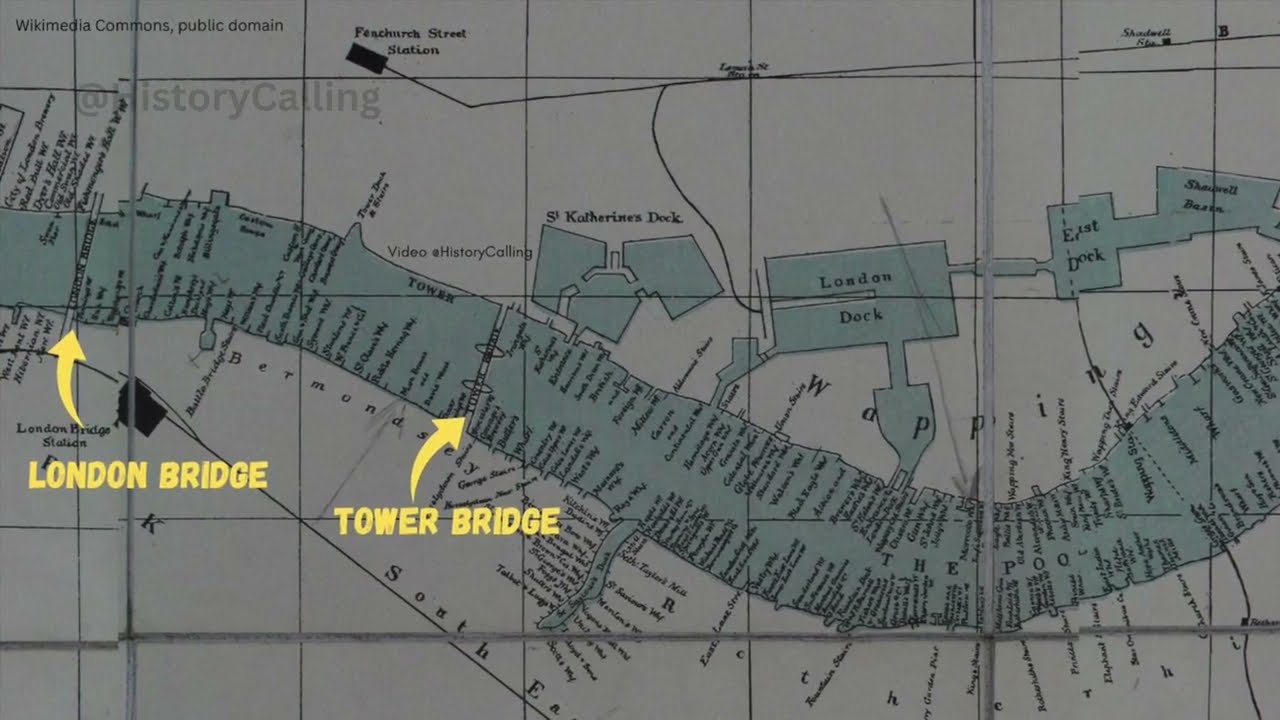
The video, which has already captivated audiences, delves into the origins of Tower Bridge, a structure often confused with its more famous neighbor, London Bridge. The need for a new crossing over the River Thames became pressing in the 1870s, as Victorian London choked on its own traffic. A special Bridge or Subway Committee was formed in 1876 to tackle the problem, and by 1879, the Metropolitan Board of Works received an application for a bridge at the site of the present Tower.
 That initial design was rejected for being too obstructive to the ships navigating the Thames, sparking a decade of debate and alternative proposals.
The breakthrough came with a design from architect Sir Horace Jones, who proposed a bascule bridge, the term derived from the French word for seesaw. Jones’s original plan included an arch over the entire structure, but this was scrapped to prevent ships from striking the lower sections. Working with engineer John Wolfe Barry, Jones presented a revised design to Parliament, featuring the straight walkways across the top that exist today.
The bascules, or lifting arms, were designed to lift vertically rather than swing horizontally, maximizing space efficiency. The Tower Bridge Act passed in 1885, and construction began on April 22, 1886, with Barry taking over as chief engineer after Jones’s untimely death just a year into the project.
The construction was a monumental undertaking, employing an average of 432 workers over eight years. Tragically, between six and ten workers lost their lives in work-related incidents, depending on the source. The bridge’s foundations were laid with the Tower of London visible in the background, and its two massive towers rose from the riverbanks.
By March 1893, the structure was nearing completion, and the scaffolding was coming down by the spring of 1894. The last granite stone was laid in the turret of the south tower on January 31, 1894, and the bascules were tested in April and June of that year. Tower Bridge was officially opened on June 30, 1894, by the Prince and Princess of Wales, the future King Edward VII and Queen Alexandra, at a total cost of around 1.
6 million pounds.
 The bridge’s dimensions are staggering: the tops of the towers stand 162 feet above the roadway, or 264 feet from the base of the foundations. The bridge is 800 feet wide, and its opening span of 200 feet was the largest in the world at the time. The metalwork was originally painted a chocolate brown, supposedly Queen Victoria’s favorite color, but was repainted in white, blue, and red for Queen Elizabeth II’s Silver Jubilee in 1977.
The structure contains 11,000 tons of steel, clad in Cornish granite and Portland Stone, with a roof of Welsh slate. The two towers house the hydraulics needed to lift the bascules, which can be raised to an 86-degree angle in just 60 seconds. Initially powered by steam, the system was electrified in 1977, as recorded on a plaque in the bridge’s engine room.
The footbridges above the bascules, designed to be 142 feet above the Thames, were closed in 1910 due to lack of use, only reopening in 1982. This period saw many remarkable events, including aviator Frank McLean flying his plane underneath the walkways on August 10, 1912. McLean, who later crashed into the Thames on his return flight, was unharmed, and his plane was salvaged and repaired.
The bridge also suffered damage during the Blitz in World War II, with its roof replaced between 1949 and 1952 with slate from the Lake District.
But the most famous incident occurred on December 30, 1952, at 9:35 p. m. , when the number 78 bus, driven by Albert Gunter, found itself on the bridge as it began to open.
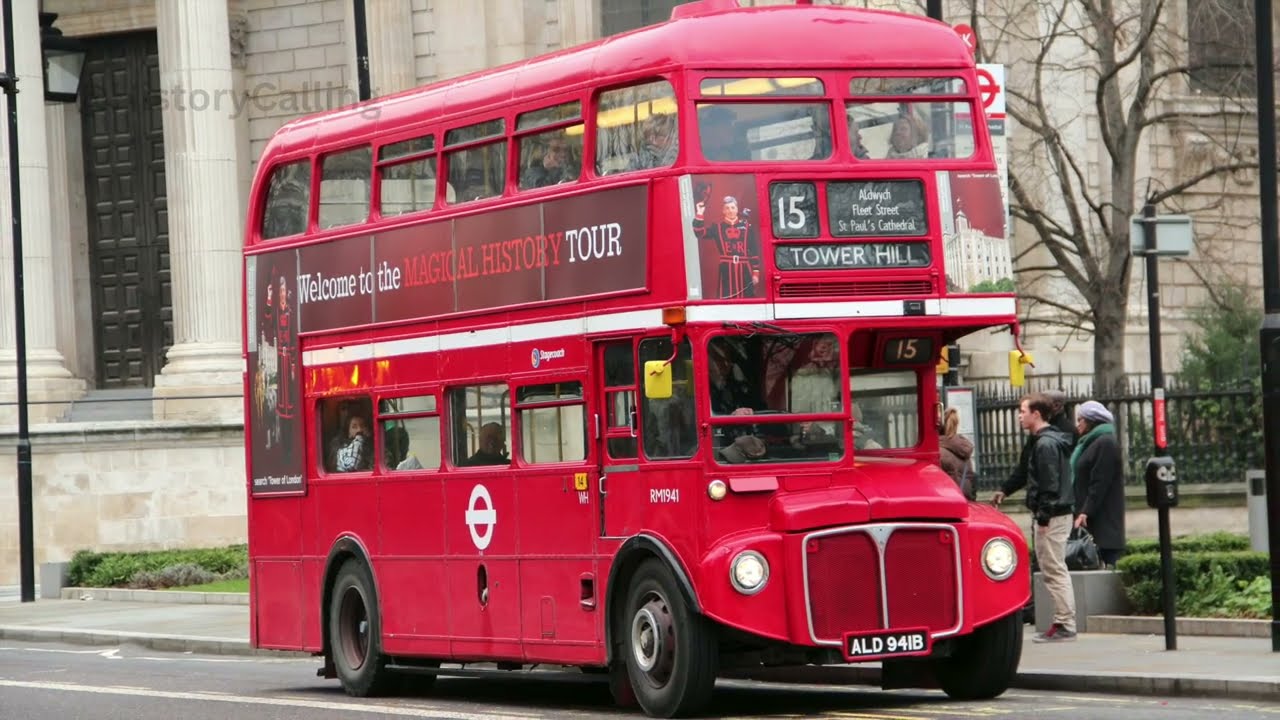 Gunter, a former tank driver, faced a split-second decision: stop and risk the bus sliding into the river, or accelerate and jump the gap. He chose the latter, flooring the accelerator to reach a top speed of 12 miles per hour. The bus dropped three feet as it landed on the other side, with 10 passengers taken to hospital as a precaution.
One passenger, Peter Dunn, described the chaos, saying he was thrown to the floor as the bus crashed onto the other half of the bridge. The bus suffered a bent chassis, a broken spring, and dislodged seats, but was otherwise undamaged. Gunter was given a day off work and a 10-pound reward from the London Transport Executive, which he said he would split with his wife.
He later received an additional 35 pounds from the City Corporation and a week’s holiday in Bournemouth. The incident was caused by a watchman who forgot to ring the warning bell and close the gates, with the Corporation of London accepting full responsibility.
The bridge has also seen its share of maritime mishaps. The Spanish cargo ship Erola struck the bridge three times in ten years during the 1950s and 1960s. In 2004, the tall ship STS Lord Nelson crashed into the South Pier after its crew failed to file a lift notice.
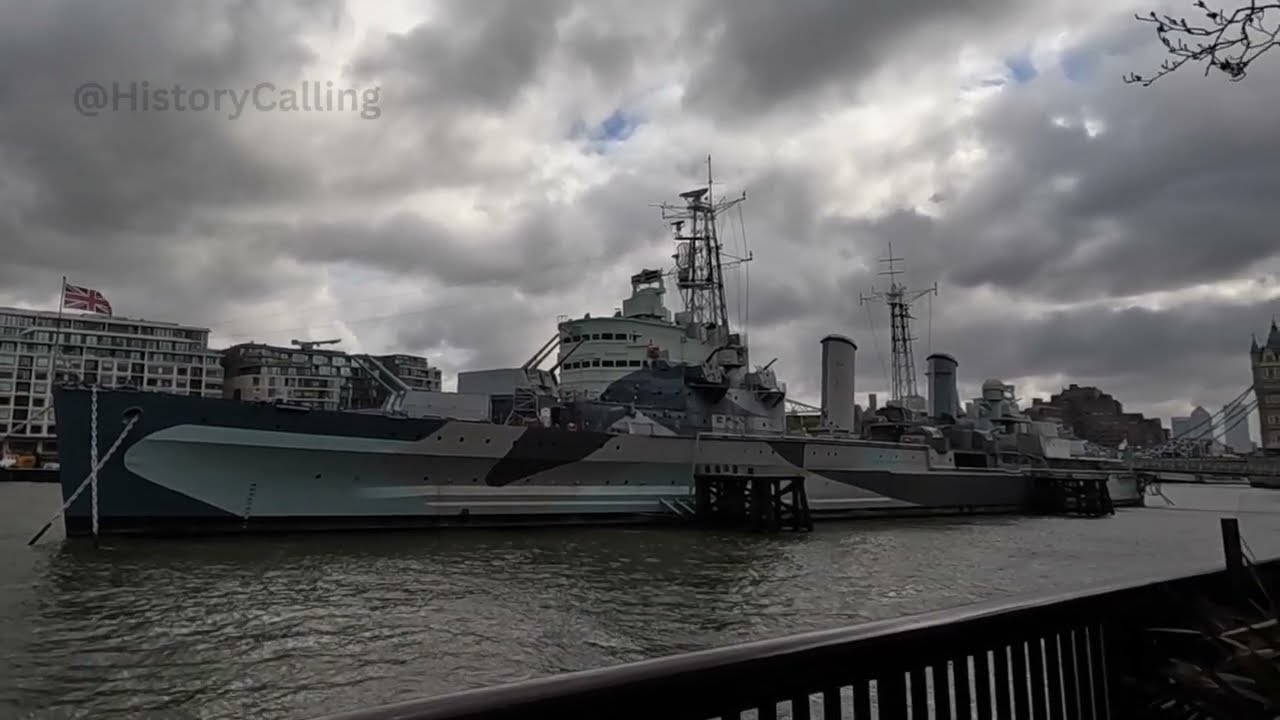
No one was hurt, and damage was minimal. The bridge has also played host to famous vessels, including the Royal Yacht Britannia, which passed beneath it in 1954 and again in 1997 before being decommissioned. The first ship to pass through on opening day was the harbor master’s vessel, Daisy.
 Today, Tower Bridge is a major tourist attraction, with its glass floors installed in 2014. The documentary footage shows visitors walking on the transparent surfaces, suspended above the traffic and river below. The experience is described as disconcerting, with the logical brain fighting against primal survival instincts.
The walkways also feature a mirrored ceiling for selfies, and the interior houses an exhibition on the bridge’s history, including models of workmen and information videos. The bridge was decorated with Olympic rings for the 2012 London Games, and it continues to be a symbol of the city, appearing in everything from Sherlock Holmes to the Spice Girls movie to Peppa Pig.
The documentary also explores a curious question: why build a bridge that opens for ships when London Bridge, just half a mile downstream, does not? The answer, according to the video, likely involves maintaining access to the wharves in that part of the river for loading and unloading goods. The bridge’s schedule of lifts is published online, allowing visitors to plan their trips to see the bascules in action.
The video concludes with a look at the bridge’s enduring legacy, inviting viewers to appreciate its engineering marvel and human stories. For those unable to visit London, the documentary offers a virtual tour, from the glass floors to the engine room, capturing the essence of this iconic landmark. The history of Tower Bridge is a testament to Victorian ingenuity, resilience, and the enduring spirit of London itself.