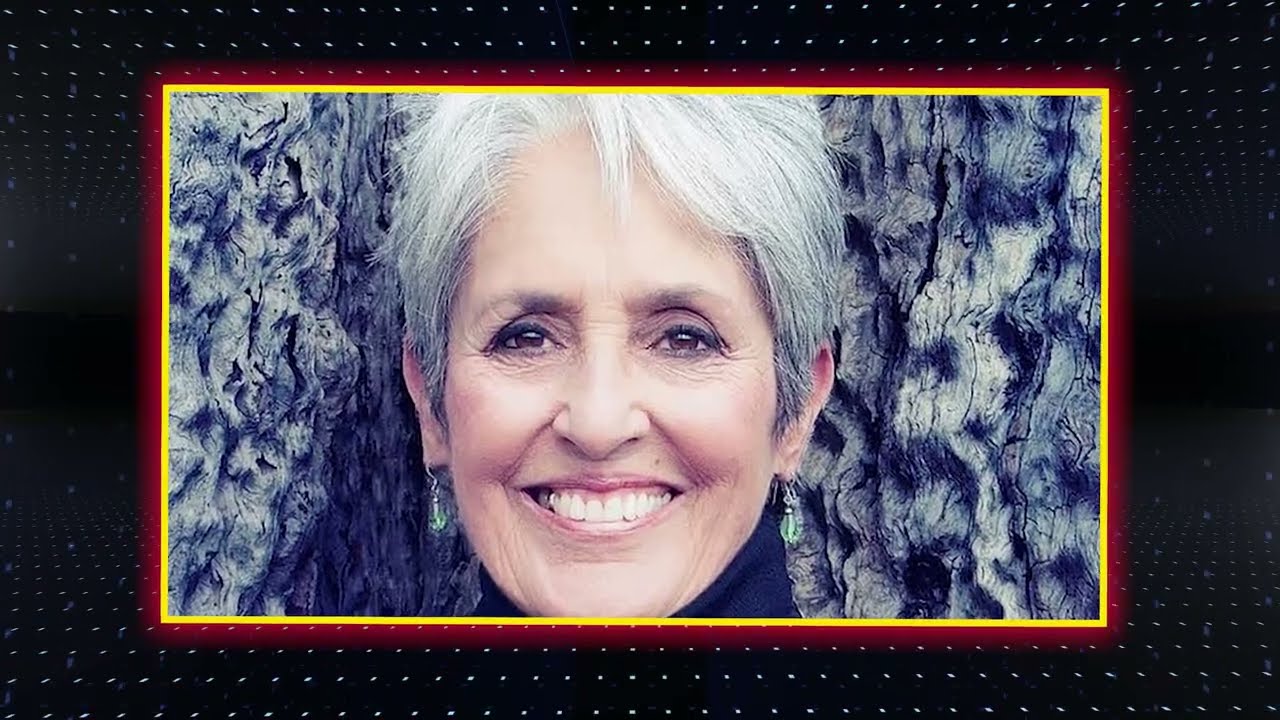
Joan Baez, the iconic queen of folk music, and Bob Dylan, the once-unknown troubadour she helped elevate, shared a partnership that became emblematic of the 1960s counterculture. However, beneath their harmonious public image lay a tumultuous relationship riddled with power struggles and emotional turmoil that would ultimately lead to heartbreak.
In the early 1960s, Baez was already a celebrated star, her voice captivating audiences and her activism making waves. By 1961, she had achieved remarkable success, earning accolades and respect that solidified her status as a leading figure in the folk revival movement. Meanwhile, Dylan was a struggling artist, scraping by in New York City, playing small clubs and honing his craft.
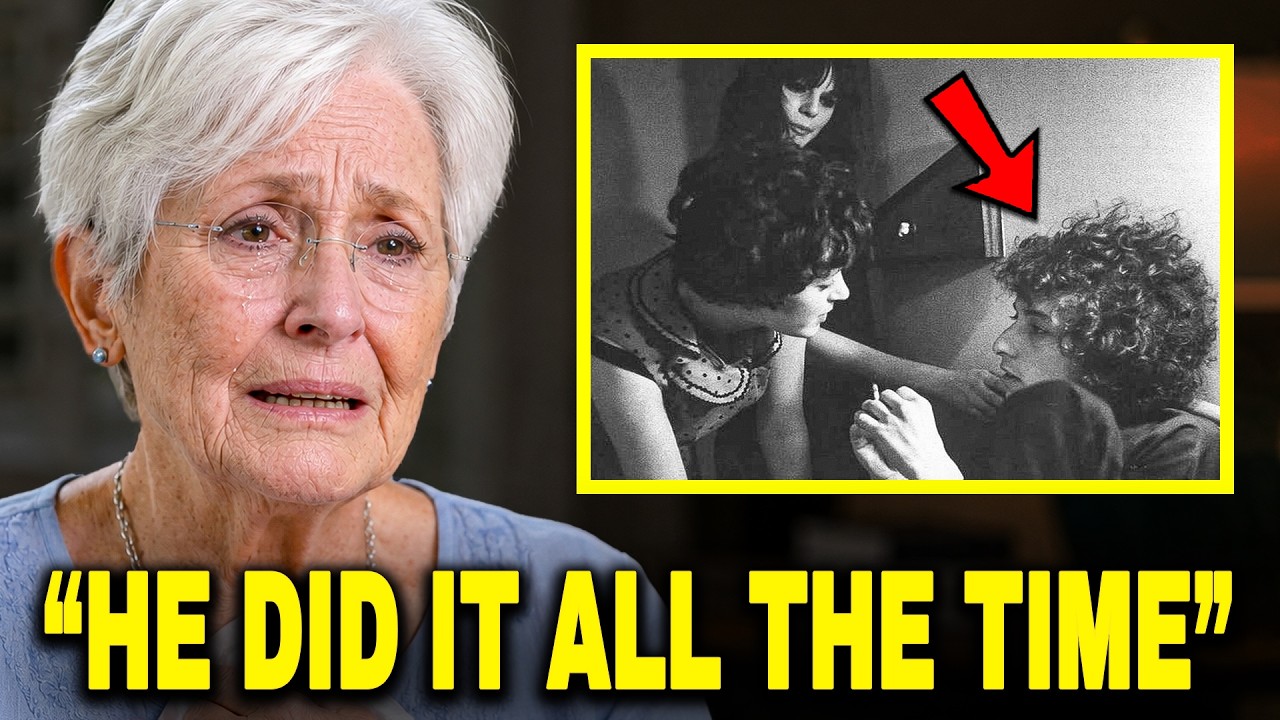 Their worlds collided in April 1961 at Gerde’s Folk City, where Baez was drawn to Dylan’s raw talent after initially underestimating him.
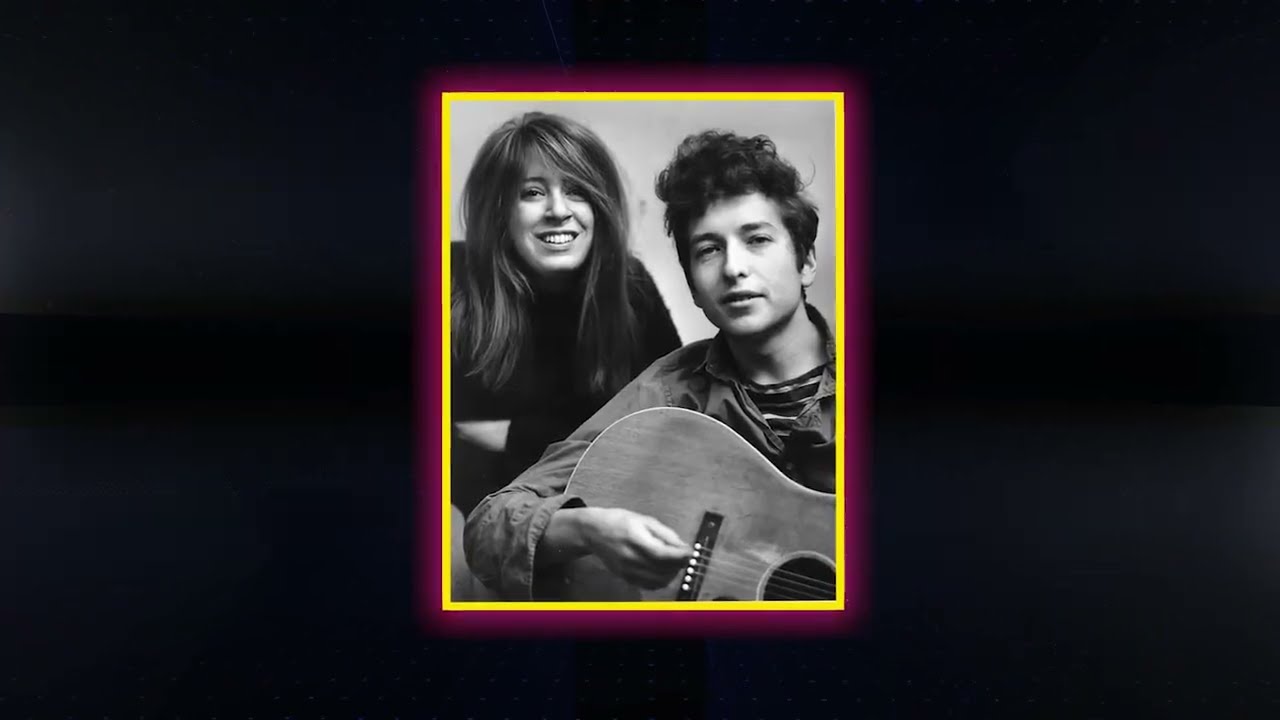
Recognizing his songwriting genius, Baez took Dylan under her wing, featuring him in her concerts to introduce him to her vast fan base. Despite initial resistance from audiences who came to see her, Baez fiercely defended Dylan, believing in his potential. By late 1963, Dylan had skyrocketed to fame with his album “The Freewheelin’ Bob Dylan,” transforming their dynamic as he became a global icon.
However, the pressures of fame began to strain their relationship. While they were celebrated as the king and queen of folk, the reality was far more complex. Baez’s commitment to social justice and nonviolent activism clashed with Dylan’s growing resentment of being labeled a protest singer.
 Tensions escalated as he distanced himself from political movements, while Baez remained steadfast in her beliefs.
As Dylan’s fame grew, so did his lifestyle choices, leading him into a chaotic world of substance use and late-night parties. Baez, who preferred a quieter life, found herself increasingly alienated from the man she once adored. Their emotional connection deteriorated as Dylan became withdrawn and paranoid, leaving Baez feeling isolated and desperate for communication.
 The breaking point came during Dylan’s 1965 UK tour, where Baez was invited but ultimately sidelined. Expecting to share the stage, she instead found herself ignored and humiliated, a mere observer in a show that had once promised collaboration. The emotional toll was immense, leading her to leave the tour early, realizing that the love she had nurtured was slipping away.
The situation worsened when Baez discovered that Dylan had secretly married Sara Lownds in November 1965, shortly after their tumultuous tour. This revelation shattered her, as she grappled with the betrayal of a man she had supported and loved deeply. The marriage marked a definitive end to their romantic relationship, leaving Baez to process her heartbreak through her music.
 In the years that followed, both artists channeled their unresolved feelings into their work. Dylan’s lyrics reflected their ideological clashes, while Baez’s poignant song “Diamonds and Rust” captured the complexity of their past. Their paths crossed again during the 1975 Rolling Thunder Revue, but the lingering tension was palpable, revealing that the wounds of their history had not fully healed.
Despite the emotional scars, Baez eventually found a sense of closure. In 2009, Dylan publicly acknowledged his regrets about their relationship, offering a rare moment of contrition. Decades later, while preparing for her documentary, Baez reflected on their shared history, ultimately choosing forgiveness as a means of liberation.
The saga of Joan Baez and Bob Dylan is a powerful narrative of love, loss, and artistic evolution. Their journey together and apart serves as a reminder of the profound impact of personal relationships on creative expression. What remains to be seen is how their legacies will continue to resonate in the world of music and beyond.