Melissa Gilbert, iconic as Laura Ingalls in the original Little House on the Prairie, has spoken out amidst swirling rumors about her feelings towards Netflix’s 2026 reboot. Contrary to sensational headlines, Gilbert’s nuanced reflections reveal complex layers behind the controversy enveloping this fresh adaptation of a cherished American classic.
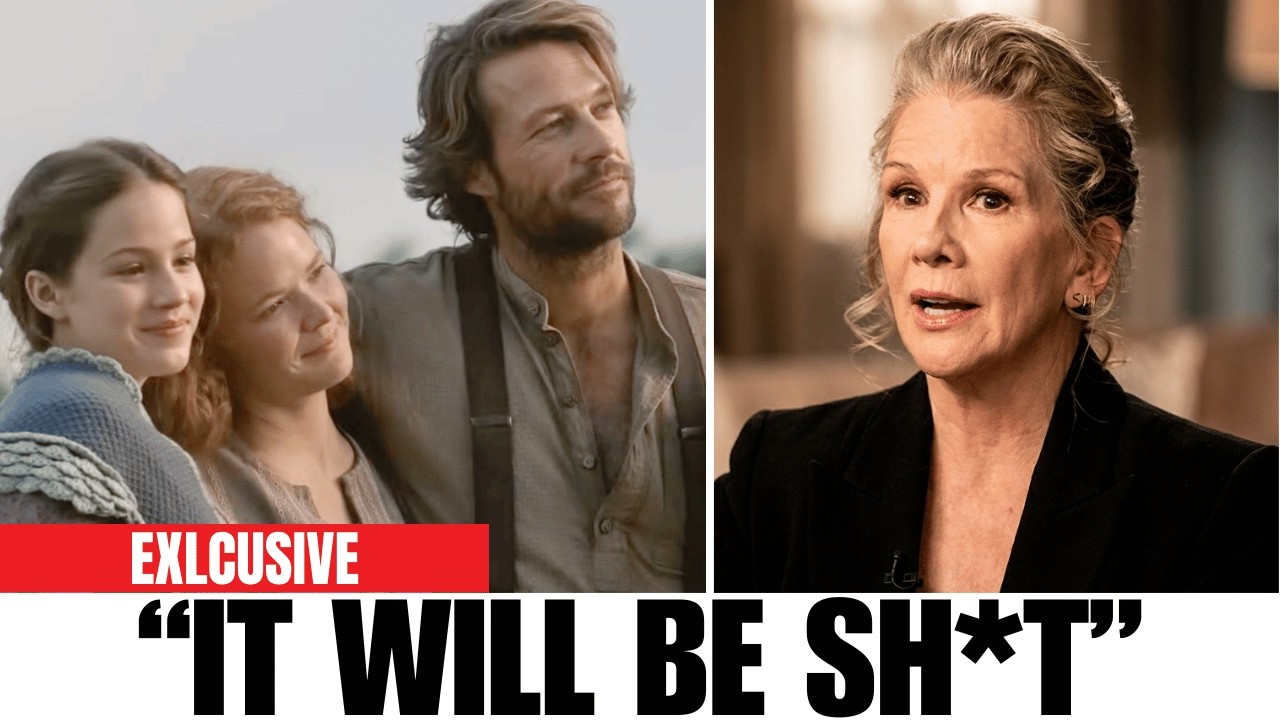
The announcement of Netflix’s new Little House on the Prairie project in early 2025 instantly ignited cultural firestorms. This reboot is not a remake of Michael Landon’s beloved 1974 series but a reimagining of Laura Ingalls Wilder’s original books, with intentions to reflect historical accuracy and inclusivity previously unexplored on screen.
From the outset, critics clamored about the direction of the show. Online debates erupted, many fearing the reboot would inject “woke” politics into the fabric of a treasured family narrative. Public figures weighed in, creating a media buzz that framed the series as a battleground for modern cultural clashes.
Melissa Gilbert, who embodied Laura Ingalls for nearly a decade, acknowledged her deep emotional ties to Landon’s television version could cloud her judgment. Despite this, she expressed an openness to new interpretations, emphasizing the importance of recognizing the multiple “Little House” versions—books, original show, and now Netflix’s vision.
Gilbert firmly rejected claims that she hated the reboot. Instead, she criticized the oversimplification of the debate and reminded audiences that Landon’s series itself was a creative departure from Wilder’s written work, featuring invented characters and storylines designed for emotional impact rather than historical fidelity.

The original series, often deemed wholesome childhood fare, was surprisingly fearless in tackling tough societal issues—from racism and anti-Semitism to addiction and economic inequality. Gilbert highlighted episodes like “The Wisdom of Solomon,” underscoring that confronting difficult realities is deeply embedded in the franchise’s DNA.
Netflix’s reboot chooses to revisit and reframe these themes through a contemporary lens, focusing more intently on historically marginalized perspectives, including Native American experiences and the disputed legality of settler land claims in 19th-century Kansas. This pivot is a key flashpoint in the ongoing controversy.
The series’ creator, Rebecca Sonnenshine, known for darker, genre-bending dramas, sought to align the narrative closely with Wilder’s books rather than Landon’s adaptation. Sonnenshine’s commitment to portraying frontier life’s harsh realities and cultural complexities challenged nostalgic expectations attached to the TV classic.
Social media’s rapid-fire reaction effectively predestined the reboot to controversy. Accusations ranged from the series being excessively politically correct to 𝒶𝓁𝓁𝑒𝑔𝒶𝓉𝒾𝓸𝓃𝓈 it failed to go far enough in addressing settler colonialism and historical injustices. Fans and critics clashed fiercely, 𝒄𝒂𝓊𝓰𝒉𝓉 between reverence for tradition and demands for progress.

Religious themes also stirred debate. While Landon’s show highlighted Christian values overtly, some speculated Netflix’s version would minimize faith. Sonnenshine dispelled these rumors, confirming that the Engles family’s religious identity remains a meaningful thread, consistent with Wilder’s authentic representation.
Gilbert’s personal visit to the Netflix set and her warm interaction with Alice Holly, the new Laura, underscore a bridging of generational divides. Far from conflict, Gilbert’s involvement projected support and encouragement for the new cast and crew undertaking this daunting legacy.
After the reboot’s July 2026 premiere, Gilbert maintained a measured silence, avoiding the snap judgments that dominate social media. Her eventual commentary revealed a deliberate choice to protect fans’ experience from being colored by nostalgia-fueled bias, urging audiences to judge the series on its own merits.
Historically, Gilbert stressed the necessity of understanding the “Little House” trilogy—fact, fiction, and television mythology—as separate narratives each with their own alterations and emphases. Rejecting binary appraisals, she called for appreciating the different interpretations as uniquely valid adaptations of Wilder’s frontier story.
The political firestorm framing the reboot obscured a crucial reality: Netflix’s Little House is not inventing historical tensions but excavating and highlighting those woven into the original books. These include complex Native-settler relations and legal conflicts that challenge sanitized pioneer myths ingrained in popular memory.
Scholars and historians have increasingly recognized that westward expansion came with grave costs to indigenous peoples—forced removals, broken treaties, and cultural erasure—issues long underrepresented in mainstream media. This reboot is part of that evolving national dialogue, bringing these subjects to the forefront in a family 𝒹𝓇𝒶𝓂𝒶 format.
Netflix’s portrayal also embraces the raw difficulties of frontier survival: unyielding winters, economic hardship, and the physical toll of pioneer life. In stark contrast to the original show’s often sentimental optimism, this adaptation paints a grimmer but arguably more authentic tableau of 19th-century homesteading.
Critically, the series revisits family dynamics, depicting Charles and Caroline Ingalls not as mythic paragons but as complex figures wrestling with uncertainty, debt, and perseverance. This humanizes them in ways Wilder’s novels hinted at but Landon’s idealized television gloss did not fully explore.
This layered storytelling, however, has fueled divide. Some viewers bemoan the reboot’s tone as bleak and unsparing, while others praise its courage in refusing to shy away from history’s harsher truths. The impassioned debates reflect broader tensions about storytelling authority, historical memory, and evolving cultural values.

The controversy ultimately reveals more about American society’s ongoing struggles with its past than about the series itself. Viewers project their expectations of what Little House “should” be, often conflating nostalgia with historical fact, making consensus impossible before the final credits even roll.
Melissa Gilbert’s intervention in the discourse serves as a crucial corrective. By highlighting the creative liberties of both past and present adaptations, she reminds us that every telling reshapes the narrative. Rather than hate, her perspective embodies cautious respect and openness to storytelling evolution.
As the cultural backlash continues, Netflix’s Little House on the Prairie stands at a crossroads—𝒄𝒂𝓊𝓰𝒉𝓉 between the weight of legend and the impetus for historical reckoning. This reboot may redefine how future generations understand America’s frontier legacy, for better or worse, in a fiercely contested public arena.
In the end, viewers must confront what Little House—across books, classic TV, and modern adaptations—represents: a multifaceted tale of family, survival, and community, inevitably refracted through changing times and conflicting values. The ongoing debate is as much about memory as it is about media.
This complex dialogue around the reboot, sparked by rumors and amplified by headlines, underscores the power of cultural icons to ignite fierce emotion and debate. Melissa Gilbert’s voice grounds the conversation, urging audiences to witness this new chapter with openness, context, and historical awareness before passing judgment.