Joan Baez and Bob Dylan were once the iconic duo of the 1960s, representing a generation’s hopes and dreams. However, beneath the surface of their celebrated partnership lay a tumultuous relationship that would ultimately unravel, revealing a darker narrative of ambition, betrayal, and emotional turmoil.
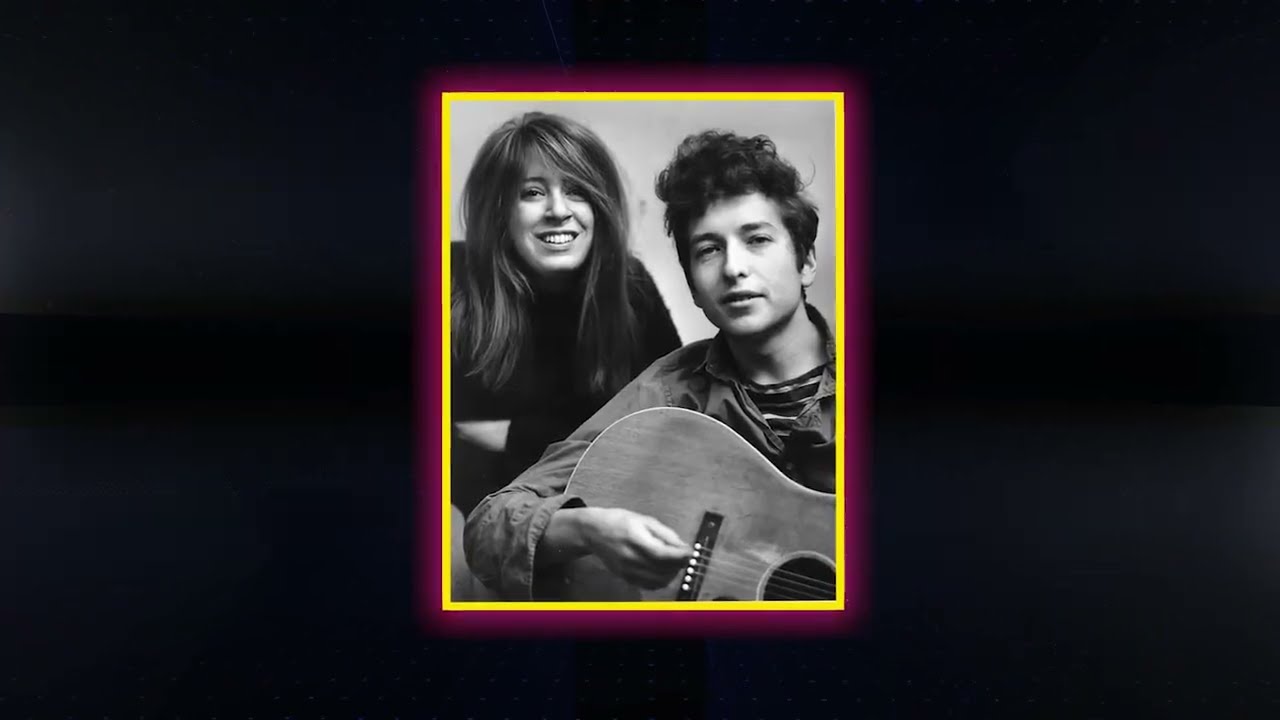
In the early 1960s, Baez was already a prominent figure in folk music, having achieved remarkable success with her debut album and a gold record. She was the queen of folk, gracing magazine covers and filling concert halls, while Dylan was a struggling artist, barely making ends meet in New York’s Greenwich Village. Their paths crossed in April 1961 at Gerde’s Folk City, where Baez initially dismissed Dylan’s scruffy appearance.
 But everything changed when he performed “Song to Woody,” captivating her with his raw emotion and lyrical depth.
Recognizing his talent, Baez took Dylan under her wing, featuring him in her concerts and introducing him to her vast fan base. Despite early resistance from audiences, who preferred her polished sound, Dylan’s breakthrough came with his album “The Freewheelin’ Bob Dylan,” which catapulted him to fame. They became known as the king and queen of folk, performing together at pivotal events like the March on Washington.
However, the public’s perception of their relationship masked growing tensions. Baez’s commitment to social justice and nonviolent activism clashed with Dylan’s increasing reluctance to be labeled a protest singer. As his fame soared, he distanced himself from the political movements that Baez held dear, leading to frequent arguments and emotional distance.
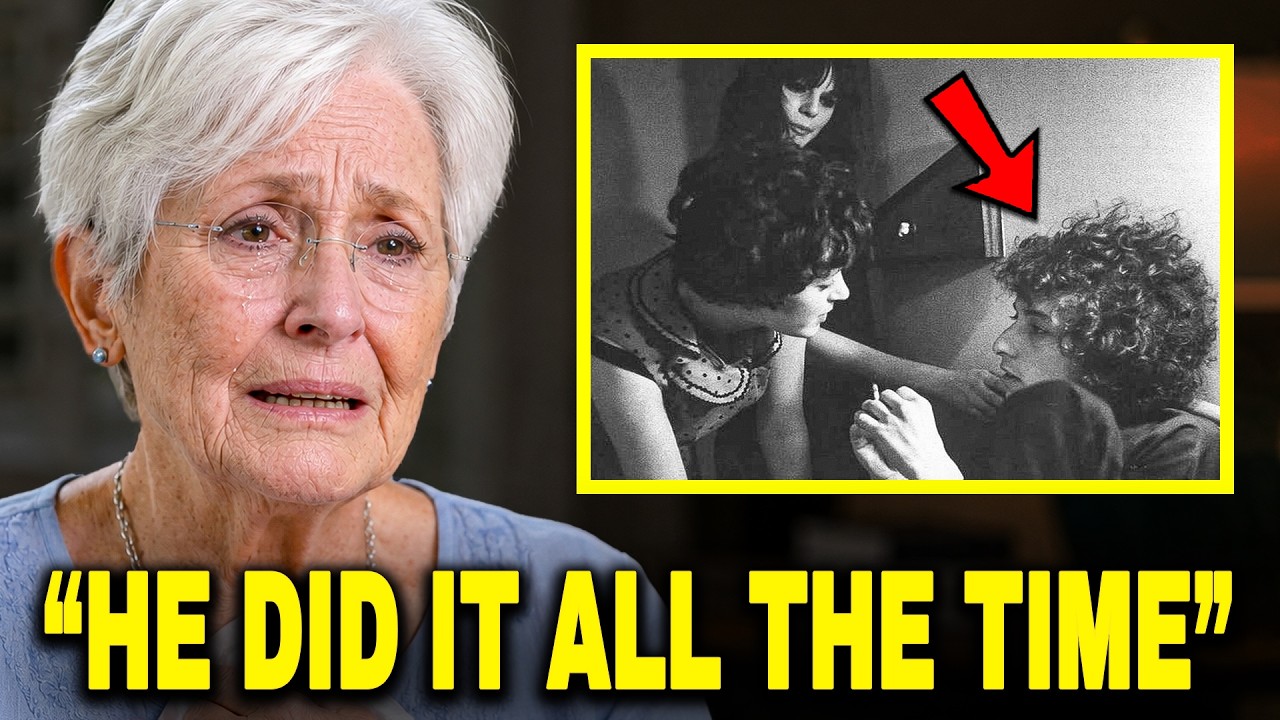
 Their relationship faced further strain as Dylan’s lifestyle changed dramatically. Surrounded by a party atmosphere and substance use, he became increasingly isolated from Baez, who preferred a quieter, healthier life. The emotional connection they once shared began to erode, leaving Baez feeling like an outsider in Dylan’s chaotic world.
The breaking point came during a 1965 UK tour, where Baez expected to collaborate with Dylan but found herself sidelined. She was not included in the tour’s promotional materials and was treated as a mere companion rather than a partner. The tour turned into a painful experience for Baez, who felt humiliated and ignored as Dylan embraced his rock star persona.
 Adding to the heartbreak was Dylan’s secret marriage to Sara Lownds in November 1965, shortly after Baez returned from the tour. She learned of the marriage through mutual friends, realizing that Dylan had moved on while she was still grappling with their past. This betrayal shattered her trust and left her questioning everything she had believed about their relationship.
In the years that followed, both artists channeled their unresolved feelings into their music. Dylan’s songs reflected his disillusionment with their partnership, while Baez’s “Diamonds and Rust” poignantly addressed her lingering affection and pain. Their artistic rivalry continued to unfold, with moments of collaboration and conflict, culminating in a joint tour that ended in disappointment and frustration.
 Despite the tumultuous history, Baez found a way to move forward. Decades later, she reflected on their shared past, ultimately reaching a place of forgiveness. In preparing for her recent documentary, she painted a portrait of Dylan and expressed that any remaining resentment had dissipated.
The saga of Joan Baez and Bob Dylan is a compelling tale of love, artistic collaboration, and the complexities of human relationships. Their journey reminds us of the power of music to reflect personal struggles and the enduring impact of their legacy. What lessons can we learn from their story about love and ambition?