In the dazzling world of old Hollywood, where glamour often masked deeper truths, Van Johnson emerged as a beloved figure whose life was a tapestry of public adoration and private struggle. Known for his bright red hair and charming smile, Johnson was the quintessential American boy next door during the tumultuous 1940s, yet his journey was far from straightforward.
Born Charles Vanel Johnson on August 1, 1916, in Newport, Rhode Island, he faced a childhood marked by loss and instability. His mother, Loretta Snder, nurtured his early interest in performance but left the family when he was young, leaving a profound emotional void. This early trauma shaped Johnson’s desire to find solace in the arts, leading him to the stage where he could finally feel seen.
 As a teenager, Johnson pursued acting fervently, eventually moving to New York City to chase his Broadway dreams. His hard work paid off when Hollywood took notice, and he signed with MGM, a studio that would both elevate and control his career. With his boyish charm and relatable persona, he quickly became a favorite among audiences, especially during World War II, where he portrayed soldiers with emotional depth and vulnerability.
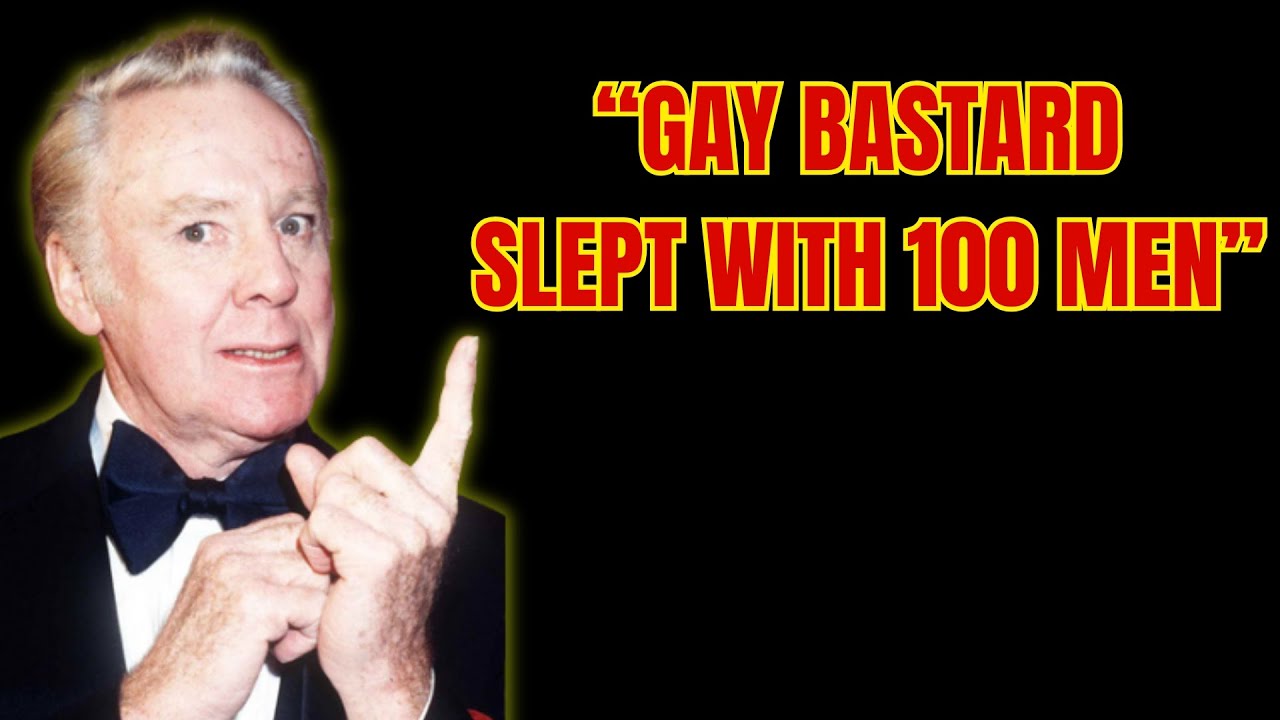
However, beneath the surface of his stardom lay a life fraught with secrecy. Johnson was caught in a web of industry expectations that demanded conformity, forcing him to navigate a world filled with lavender marriages and hidden relationships. As he became one of MGM’s top stars, he was also a man living in fear of exposure, struggling to maintain a facade that often felt at odds with his true self.
In a widely publicized event, Johnson married former stage actress Eve Abbott on January 25, 1947, just a day after her divorce from his best friend. While this union appeared to be a fairy tale romance, sources later suggested it was a strategic move to protect Johnson’s carefully crafted image. Abbott herself hinted at the complexities of their marriage, describing it as a lavender marriage designed to suppress rumors about Johnson’s sexuality.
 Despite the artificial nature of their relationship, Johnson embraced his role as a family man, becoming a devoted stepfather and later welcoming a daughter, Skyler, who became the emotional anchor of his life. Yet, the pressures of maintaining a polished exterior while grappling with his true identity took a toll on their marriage, leading to a separation in 1961 that would not be finalized until 1968.
As the years unfolded, Johnson’s struggles echoed those of many actors of his era, who were bound by silence in a Hollywood that viewed homosexuality as a career-ending 𝒔𝒄𝒂𝓃𝒹𝒶𝓁. In rare moments later in life, he reportedly acknowledged romantic relationships with other men, including the likes of Montgomery Clift and Tab Hunter. These connections, while deeply emotional, were shrouded in secrecy, reflecting the harsh realities of a studio system that demanded denial.
 By the 1950s and 1960s, the landscape of Hollywood began to shift, allowing for more openness about personal truths. Johnson’s marriage to Abbott unraveled, and as he moved away from the spotlight, he found a renewed sense of individuality. Settling into a penthouse in Manhattan, he embraced a quieter life, far removed from the artificiality of his past.
Johnson’s legacy is now viewed through a compassionate lens, revealing the resilience of a man who navigated the complexities of fame while yearning for authenticity. He once remarked on the hidden lives of stars, emphasizing the importance of understanding the struggles behind the glamour.
 As we remember Van Johnson, we honor not just the charming actor who brought warmth to audiences but also the courageous individual who sought love and truth in a world that often demanded silence. What other untold stories of Hollywood’s golden age are waiting to be uncovered?


