The wholesome image of the Brady Bunch, a family that epitomized 1970s suburban perfection, was a carefully constructed facade that masked a turbulent reality of secret romances, bitter feuds, and personal demons that haunted the cast long after the cameras stopped rolling. Behind the laughter and the iconic theme song lay a narrative far more complex and tragic than any scripted episode, involving a closeted patriarch, on-set romances between fictional siblings, and a legacy of substance abuse that nearly destroyed several of its young stars.
The genesis of the show itself was rooted in a social statistic that seemed anything but controversial. In the late 1960s, producer Sherwood Schwartz stumbled upon an article revealing that nearly a third of American households included children from previous marriages. This seemingly innocuous fact became the unlikely inspiration for a sitcom about a blended family.
 Schwartz embarked on a monumental casting search, conducting over 264 interviews with child actors before narrowing the pool down to the six kids who would become household names. The search for the parents was equally meticulous, with the role of Mike Brady nearly going to Jeffrey Hunter, who was deemed too handsome for the part, before Robert Reed was cast, despite Schwartz’s private concern that Reed’s head was too small.
This initial friction between Schwartz and Reed was a harbinger of the conflict that would define the show’s production. Reed, a classically trained Shakespearean actor, viewed the sitcom’s storylines with undisguised contempt, considering them beneath his artistic dignity. His constant script notes and demands became a source of immense frustration for the writers and his fellow cast members, creating a tense atmosphere on set.
His behavior was often insufferable, but one incident involving a line about strawberry jam highlighted his absurd level of pedantry, as he insisted the script was factually incorrect because strawberries lose their scent when cooked.
The tension between Reed and Ann B. Davis, who played the beloved housekeeper Alice, was palpable. Davis, a professional who was grateful for steady work, struggled to contain her anger at Reed’s antics, which included refusing to slip on an egg for a scene he deemed unrealistic.
Her quiet satisfaction when Reed accidentally slipped on the egg himself was a rare moment of comeuppance. However, Reed’s paranoia wasn’t always unfounded. His refusal to allow his TV children to ride a roller coaster during a promotional event proved prescient when a safety test revealed that the camera mounted on the ride would have broken free, potentially causing serious injury to the child actors.
Reed’s on-set fury was fueled by a deeper, more personal anguish. As a gay man in an era of intense social conservatism, he was forced to live a double life, concealing his true identity to maintain his image as America’s perfect father. This secret, coupled with his artistic frustrations, drove him to self-medicate, and he would occasionally show up to work under the influence of alcohol.
His personal struggle was a stark contrast to the character he portrayed, and his unhappiness would eventually lead to a dramatic exit from the show when he refused to appear in the Season 5 finale, forcing the writers to write him out of the episode entirely.
 While Reed’s turmoil was internal, the younger cast members were navigating their own complex and inappropriate relationships. Barry Williams, who played Greg, the oldest son, admitted to smoking cannabis on his day off, only to be called into work, resulting in a performance he later acknowledged was visibly impaired. The romantic entanglements between the actors who played siblings were even more scandalous.
Maureen McCormick, who played Marcia, revealed that she and Williams, her on-screen brother, actually dated. The situation became intensely awkward as they had to maintain their sibling dynamic on camera while secretly seeing each other, a fact that was not lost on the show’s creator, who noted the obvious chemistry between the two teenagers during a scene on a bed.
Williams’ romantic pursuits didn’t stop with his TV sister. He also developed a crush on Florence Henderson, who played his on-screen mother. The two went on a date, which sent shockwaves through the fanbase.
Henderson, who was married with four children, dismissed the outing as innocent, but the image of the eldest Brady son dating his TV mom remains one of the most bizarre and talked-about pieces of behind-the-scenes trivia. The romantic drama within the cast was a constant undercurrent, but it was the feud between McCormick and Eve Plumb, who played Jan, that provided the writers with material for the show’s famous sibling rivalry, as the two actresses genuinely clashed off-screen.
The animosity between McCormick and Plumb would resurface decades later, causing significant professional damage. In 2007, ahead of the release of McCormick’s memoir, a rumor surfaced that she had written about a romantic relationship with Plumb. Plumb was furious, accusing McCormick of fabricating the story to sell books.
The ensuing scandal was so severe that NBC canceled a planned Brady Bunch reunion on the Today Show, as Plumb refused to sit alongside McCormick. This public feud was a stark reminder that the bonds formed on the set were not always those of a loving family, but often of professional rivals forced to work together.
 The pressure of fame and the struggle to break free from their iconic roles had a devastating impact on many of the cast members. McCormick’s post-Brady life was a particularly harrowing spiral into substance abuse. Her rock bottom came when she showed up under the influence for a crucial audition for Steven Spielberg’s Raiders of the Lost Ark, a part she was unable to perform and ultimately lost.
It took years of struggle before she finally achieved sobriety in 1985. Mike Lookinland, who played Bobby, also battled addiction, feeling that his artificial TV childhood had robbed him of a real one. His struggles led to a DUI arrest in 1997 after rolling his car, an incident that served as a wake-up call, prompting him to seek sobriety and eventually pursue a career making concrete countertops, a profession he felt was a grounding antidote to his Hollywood past.
The legacy of the show also weighed heavily on Robert Reed, who, after years of battling his demons, was diagnosed with cancer in 1991. In his final days, he reached out to his former TV wife, Florence Henderson, asking her to share the news with the rest of the cast. His death shortly after revealed a final secret: he had died from complications related to HIV/AIDS.
The news was a collective shock to the nation, which had revered him as the epitome of fatherhood. It was a tragic end for a man who had spent his career hiding his true self.
Even the show’s adult figures faced their own challenges. Henderson battled stage fright and depression in the 1980s, finding an unconventional solution in a hypnotherapist whom she eventually married. Ann B.
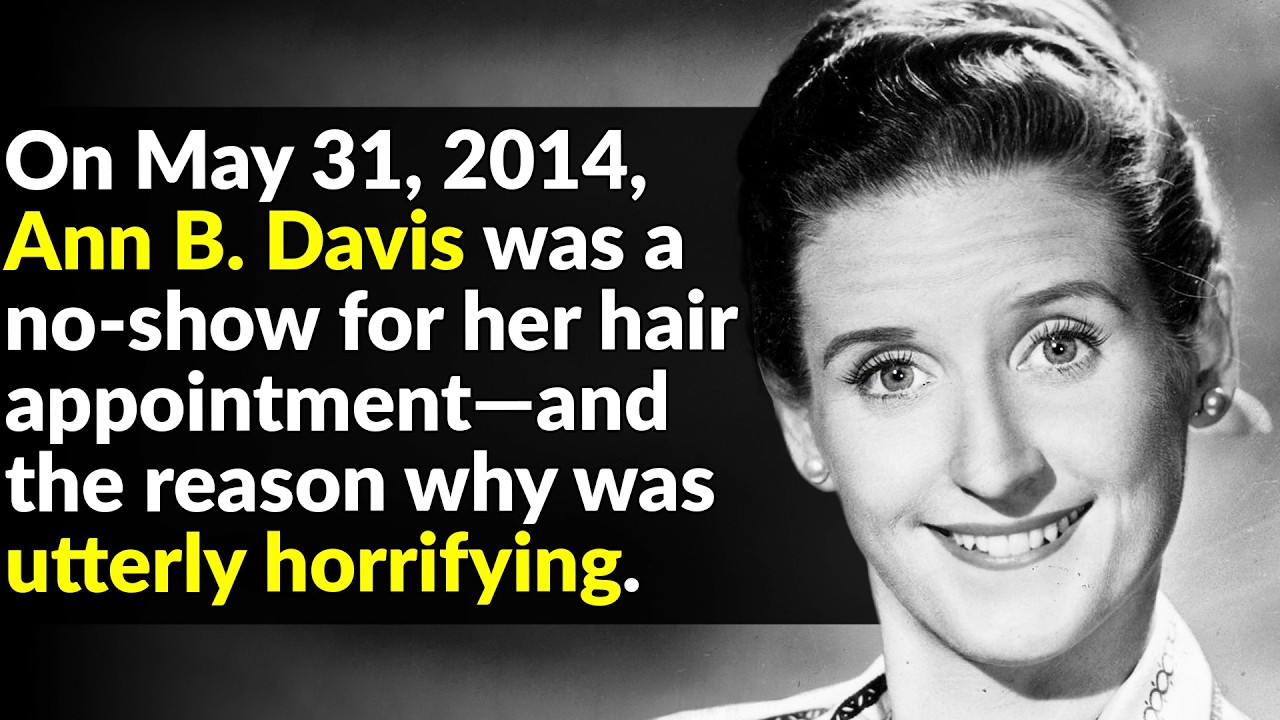
Davis, who remained close to her Brady family, continued to appear in reunion specials. Her life ended in a sudden and tragic manner on May 31st, 2014, when she failed to show up for a hair appointment. The horrifying reason was that she had died unexpectedly after a fall in her bathroom at the age of 88.
 With her passing, the last of the three original parent figures was gone, leaving only the children to carry on the complex legacy.
The various reunion attempts over the years have been a mixed bag, reflecting the cast’s complicated relationship with the show. While some, like Eve Plumb, refused to participate in the disastrous Brady Bunch Variety Hour, others, like Lookinland, only agreed to do so after being offered double their salary. The 2019 HGTV special, A Very Brady Renovation, proved to be a more successful and heartwarming event, bringing all six surviving child actors together to renovate the iconic house.
The miniseries was a massive hit, drawing over 28 million viewers and demonstrating the enduring fascination with the family, even as it highlighted the stark contrast between their on-screen harmony and their off-screen history.
In a poignant moment in 2016, McCormick was competing on Dancing with the Stars when Henderson attended the taping to show her support. It was a final act of kindness from the TV matriarch, who passed away unexpectedly just days later from heart failure. The cast’s journey is a powerful and cautionary tale about the price of fame.
The show presented a sanitized, idealized version of family life, but the reality for its stars was a complex web of secrets, struggles, and strained relationships. The true legacy of the Brady Bunch is not the perfect family they portrayed, but the deeply human and often flawed individuals behind the characters, whose lives serve as a reminder that no family, not even a television one, is immune to the complexities of the real world.