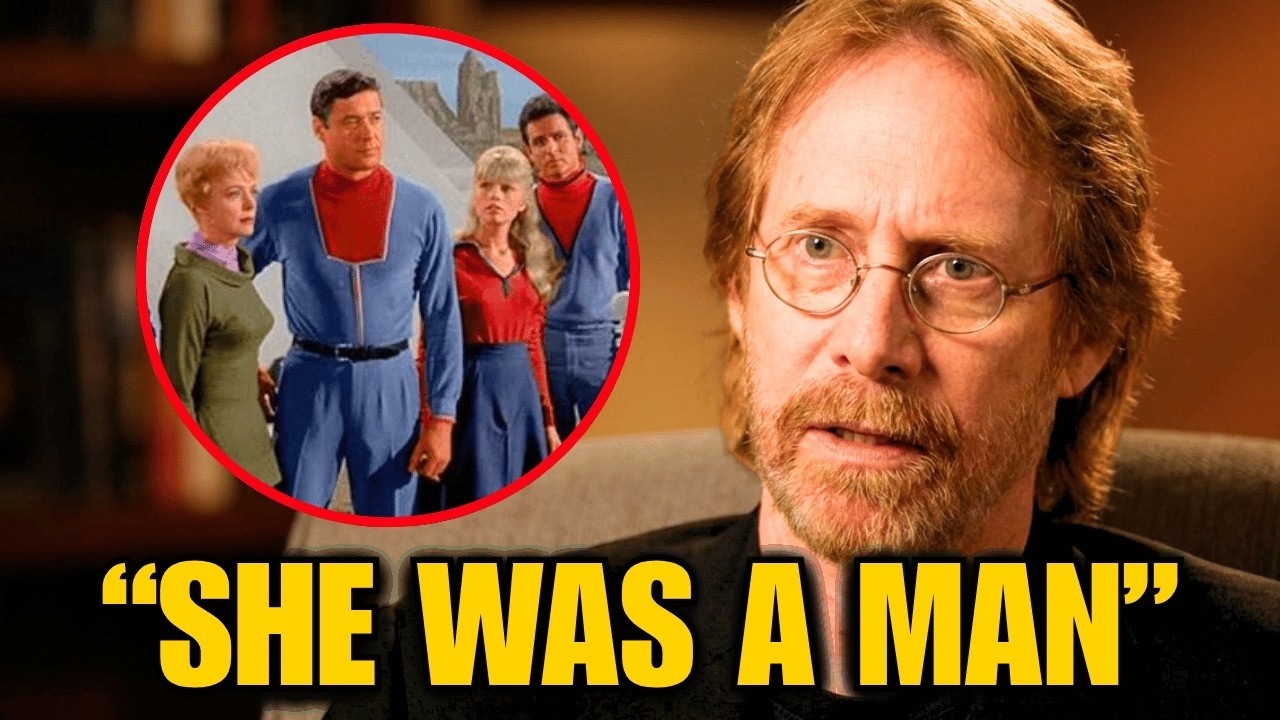
When we think of the iconic series “Lost in Space,” we often picture thrilling adventures, a quirky robot, and the comedic antics of Dr. Smith. Yet, beneath the surface of this beloved show lies a tale of ambition, sacrifice, and the clash between artistic vision and commercial demands that the cast has finally begun to unveil after nearly six decades.
Premiering on September 15, 1965, “Lost in Space” quickly captivated American audiences, allowing children to stay up late and advertisers to scramble for commercial slots. By its third week, it was evident that CBS had struck gold. However, the show that became a cultural phenomenon was not the one originally envisioned by creator Irwin Allen.
 Instead, it emerged as a compromise, forever altering the trajectories of everyone involved.
Before a single episode aired, Allen had already poured $600,000 into a feature-length pilot he believed would change the landscape of science fiction television. At a time when shows like “Gunsmoke” dominated the ratings, Allen was undeterred, assembling a team of Academy Award winners and securing major studio backing. The original pilot, titled “No Place to Hide,” presented a serious narrative about a family navigating the cosmos without the comedic elements that would later define the series.
It was a thoughtful exploration of human resilience in the face of danger.
When Allen screened this pilot for CBS executives, he anticipated rejection. To his surprise, they loved it and greenlit the series but with significant caveats. They deemed the pilot too cerebral and insisted on the addition of a villain to create weekly conflict.
 The character of Dr. Zachary Smith was born out of this compromise, transforming the show’s dynamic.
The network also insisted on including a robot, recognizing that audiences craved familiar archetypes. Thus, the original ambitious vision was shelved, and much of the pilot’s footage was recycled into the first season, with new characters awkwardly explained as having been absent during prior events.
As the show evolved, it became a battleground for competing artistic visions. Jonathan Harris, who portrayed Dr. Smith, realized that his character was originally slated for elimination by the fifth episode.
 Determined to change his fate, he began rewriting his lines, crafting a character whose cowardice became endearing and whose melodramatic complaints turned into fan-favorite moments. By the time Allen recognized the shift, Dr. Smith had become a breakout character, leading to Harris receiving special guest star credits—reportedly a first in television history.
Meanwhile, Guy Williams, who played the heroic John Robinson, found himself sidelined as Dr. Smith’s storylines expanded. Once the star of the show, Williams watched his screen time dwindle, a situation that reportedly led to tensions on set.
Mark Goddard, who played Don West, noted the shift in focus, acknowledging that it created hard feelings among the cast, particularly for Williams.
 After the show’s cancellation, Williams struggled to find work in Hollywood, only to discover that his fame as Zorro had made him a beloved figure in Argentina, where he lived out his later years. Tragically, he passed away alone in his apartment, with his passing going unnoticed for a week.
While the cast navigated their evolving roles, Bob May, the actor inside the beloved robot suit, faced his own challenges. For three years, he endured the grueling conditions of a 200-pound costume that became unbearably hot under studio lights. Despite his pivotal role in bringing the robot to life, May was never credited on screen, which affected his pay and residuals.
After the series ended, he became a cherished figure at conventions, dedicating himself to ensuring that fans felt seen and appreciated.
The original pilot that Irwin Allen envisioned was ultimately overshadowed by CBS’s demands, leading to a series that, while commercially successful, diverged from its intended narrative. The rivalry with “Star Trek” is often misunderstood; while “Lost in Space” consistently ranked higher in ratings, both shows faced their own unique challenges during their runs.
As “Lost in Space” continues to resonate with audiences, the stories of its cast reveal a complex tapestry of creativity, ambition, and the sacrifices made behind the scenes. What other secrets might still be hidden in the cosmos of this classic series?