Joan Baez and Bob Dylan, once the iconic king and queen of the 1960s folk music scene, shared a bond that captivated a generation. Yet beneath the surface of their celebrated partnership lay a relationship riddled with tension, power struggles, and ultimately, heartbreak. The truth about their connection is far more complex than the public ever realized.
In the early ’60s, Baez was already a folk music sensation, having achieved remarkable success with her debut album and commanding respect in the industry. Meanwhile, Dylan was an unknown artist, struggling to make ends meet in Greenwich Village. Their paths crossed in April 1961 at Gerta’s Folk City, where Baez, initially unimpressed by Dylan’s appearance, was profoundly moved by his performance of “Song to Woody.”
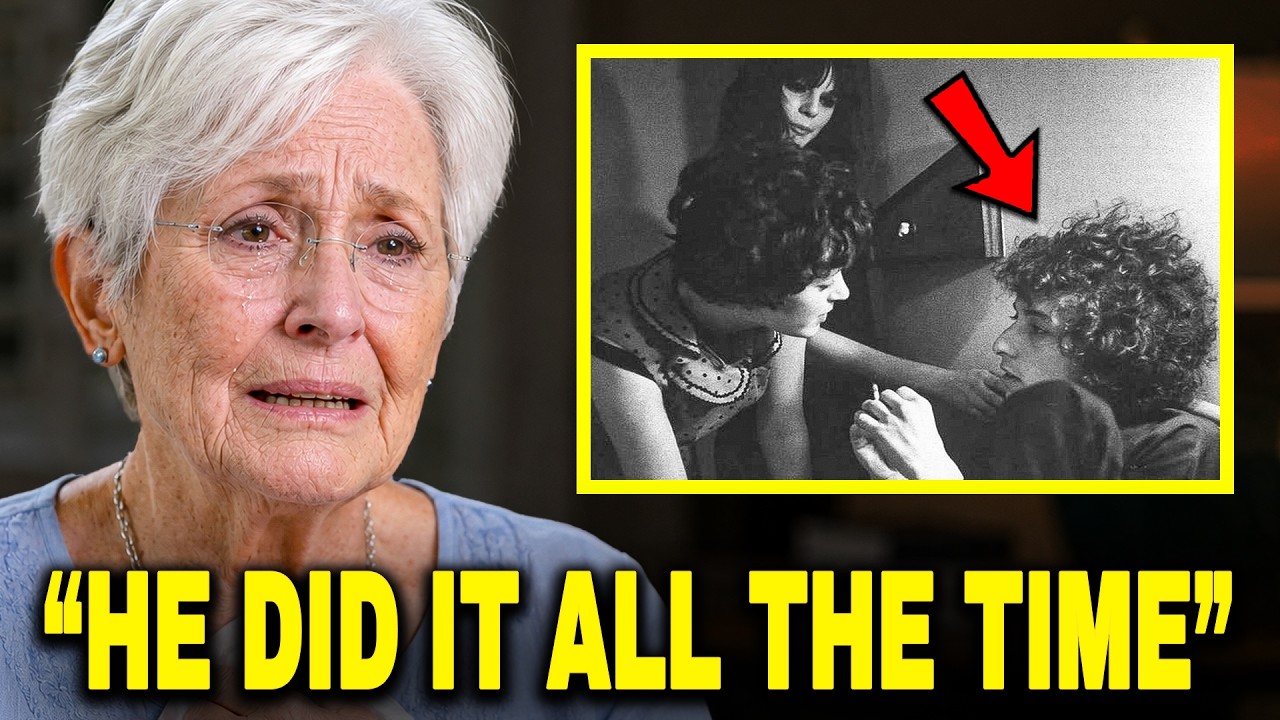 This moment marked the beginning of a transformative relationship that would change both of their lives.
Baez recognized Dylan’s extraordinary talent and began to integrate him into her concert tours, believing in his potential to reach a wider audience. However, early audiences were resistant, booing Dylan when he first appeared on stage with her. Baez stood firm, insisting that her fans listen to his lyrics, and by late 1963, Dylan’s album “The Freewheelin’ Bob Dylan” catapulted him to fame, flipping the power dynamic between them.
Despite their success, the relationship began to show signs of strain. Baez was deeply committed to social activism, using her music as a tool for change, while Dylan grew increasingly resentful of being labeled a protest singer. Their ideological differences became a source of conflict, with Baez pushing for political engagement and Dylan retreating from the spotlight.
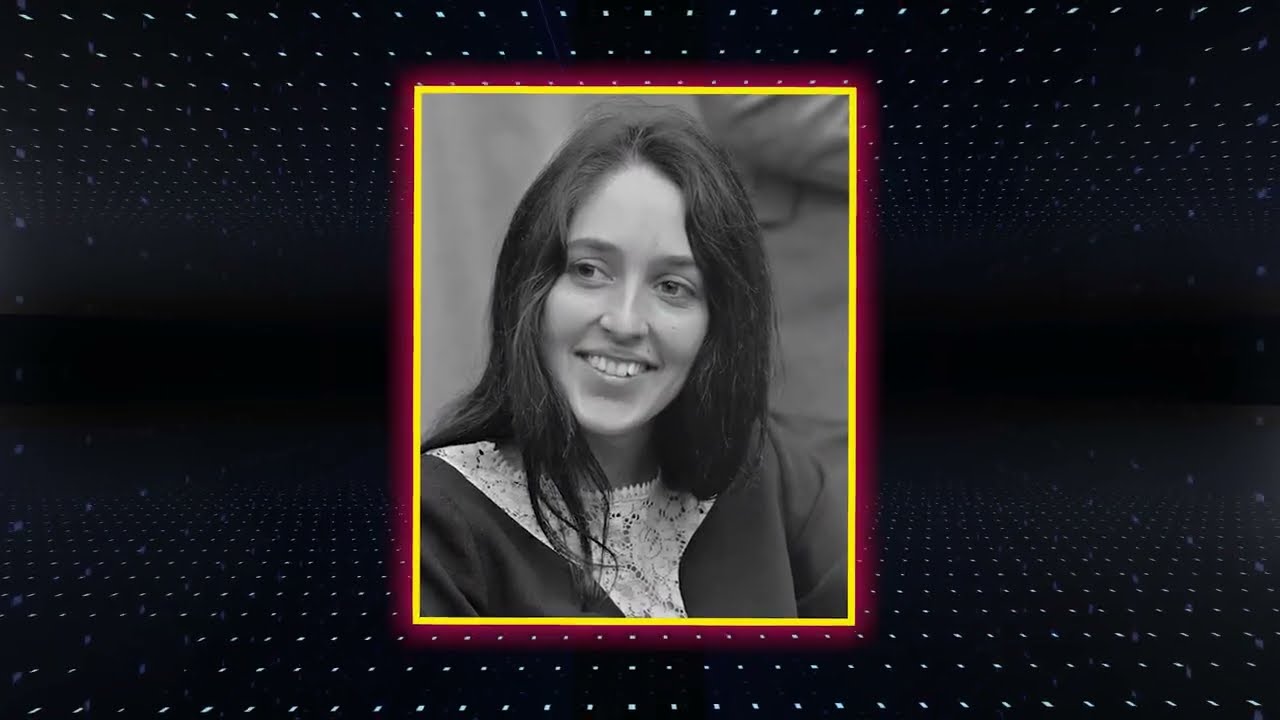 As Dylan’s fame skyrocketed, he surrounded himself with a wild entourage, indulging in a chaotic lifestyle that clashed with Baez’s more reserved nature. The emotional distance between them grew, exacerbated by Dylan’s reclusive behavior and inability to communicate openly. Their once-close bond began to fray as Baez felt increasingly isolated and alienated from the man she had once supported.
The turning point came during Dylan’s 1965 UK tour, which Baez had eagerly anticipated. However, once in London, she discovered that she was not included in the tour itinerary and was merely a spectator. Dylan’s dismissive attitude and the chaotic environment of the tour left her feeling humiliated and invisible.
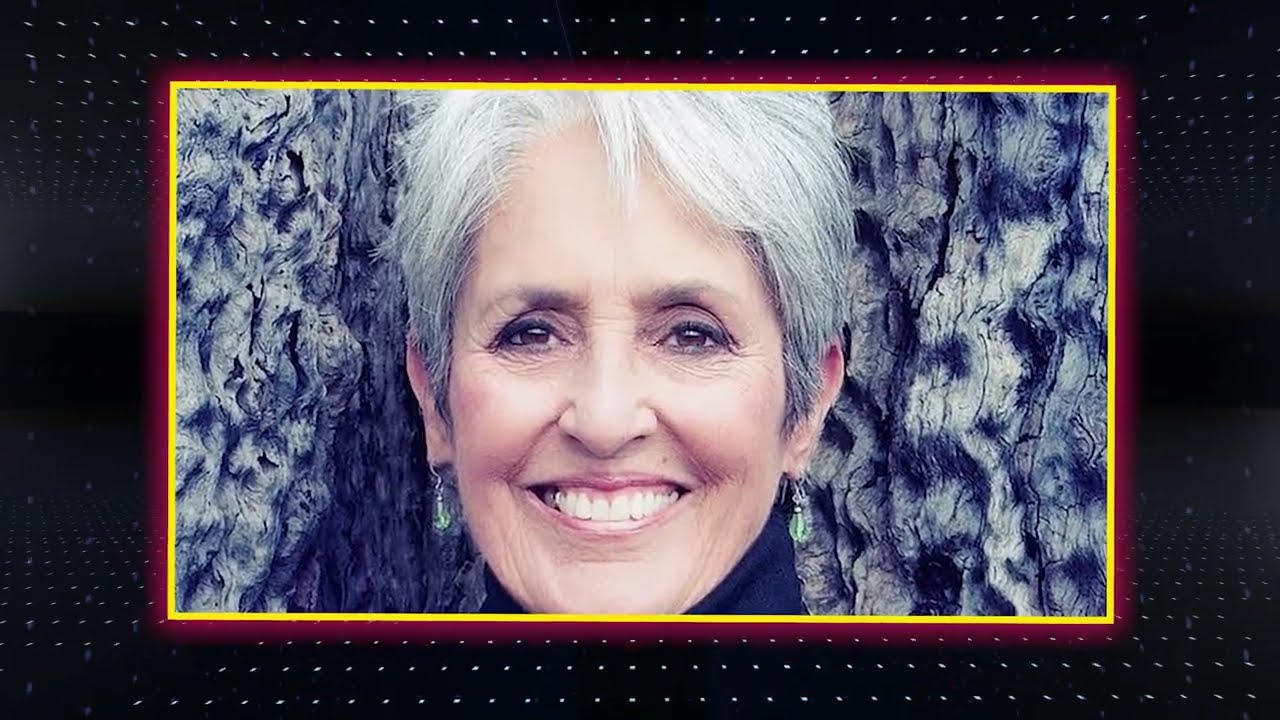 The emotional toll was immense, leading her to leave midway through, realizing that the man she had once uplifted had transformed into someone unrecognizable.
The situation worsened when Baez learned of Dylan’s secret marriage to Sarah Loun in November 1965, just months after their painful split. This revelation shattered her, confirming her worst fears about their relationship. She had invested so much into Dylan’s career, only to be blindsided by his betrayal.
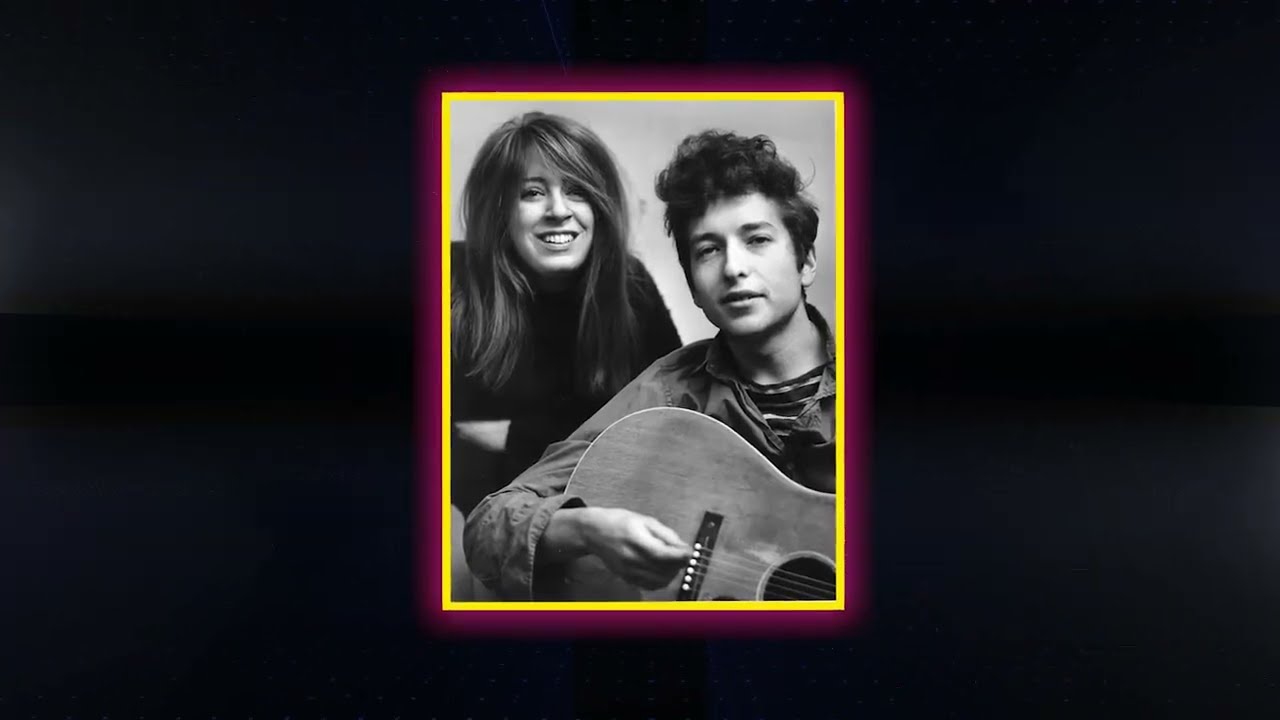 In the years that followed, both artists channeled their unresolved feelings into their music. Dylan’s songs often reflected his disillusionment with Baez’s political ideals, while she responded with her poignant hit “Diamonds and Rust,” a heartfelt exploration of their shared history. Their artistic rivalry continued, with each using their craft to express the complexities of their past.
Despite occasional reunions, their relationship remained fraught with tension. In 2009, Dylan publicly acknowledged his regrets over how he treated Baez, offering a rare moment of contrition. As Baez prepared for her 2023 documentary, she found a way to process her feelings through art, ultimately reaching a place of forgiveness.
The saga of Joan Baez and Bob Dylan is a compelling tale of love, ambition, and the bittersweet nature of artistic partnerships. Their journey illustrates how two extraordinary talents can shape each other’s lives, leaving a lasting impact on music and culture. What remains to be seen is how their legacies will continue to evolve in the years to come.