**He Made Millions Laugh, But Stan Laurel Died a Broken Man**
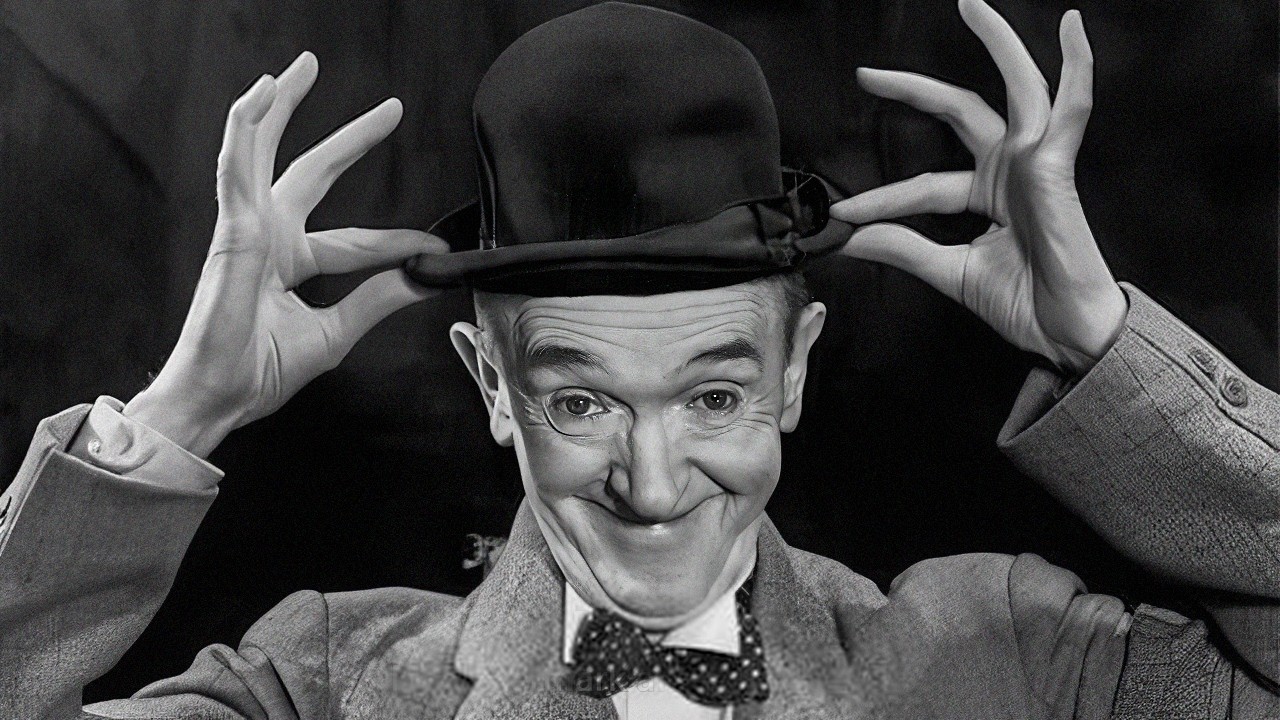
The world knew him as the gentle half of the greatest comedy duo in history. But new revelations about Stan Laurel’s final years paint a devastating portrait. Behind the laughter, the man who made millions smile died isolated, heartbroken, and financially shattered by 1965. His greatest tragedy, however, was surviving Oliver Hardy.
Stan Laurel spent decades perfecting the art of joy. But on February 23rd, 1965, he passed away in Santa Monica at 74, alone in many ways. His death came after a heart attack. Yet the real cause was deeper, according to friends and family: a broken heart that never healed after losing his partner, his son, and his fortune.
Audiences only saw the slapstick genius. They did not see the man weeping in private. Laurel’s life was a series of devastating losses disguised by a perfect comic mask. Now, as historians revisit his story, the truth is impossible to ignore. He was the funniest man alive and one of the saddest.
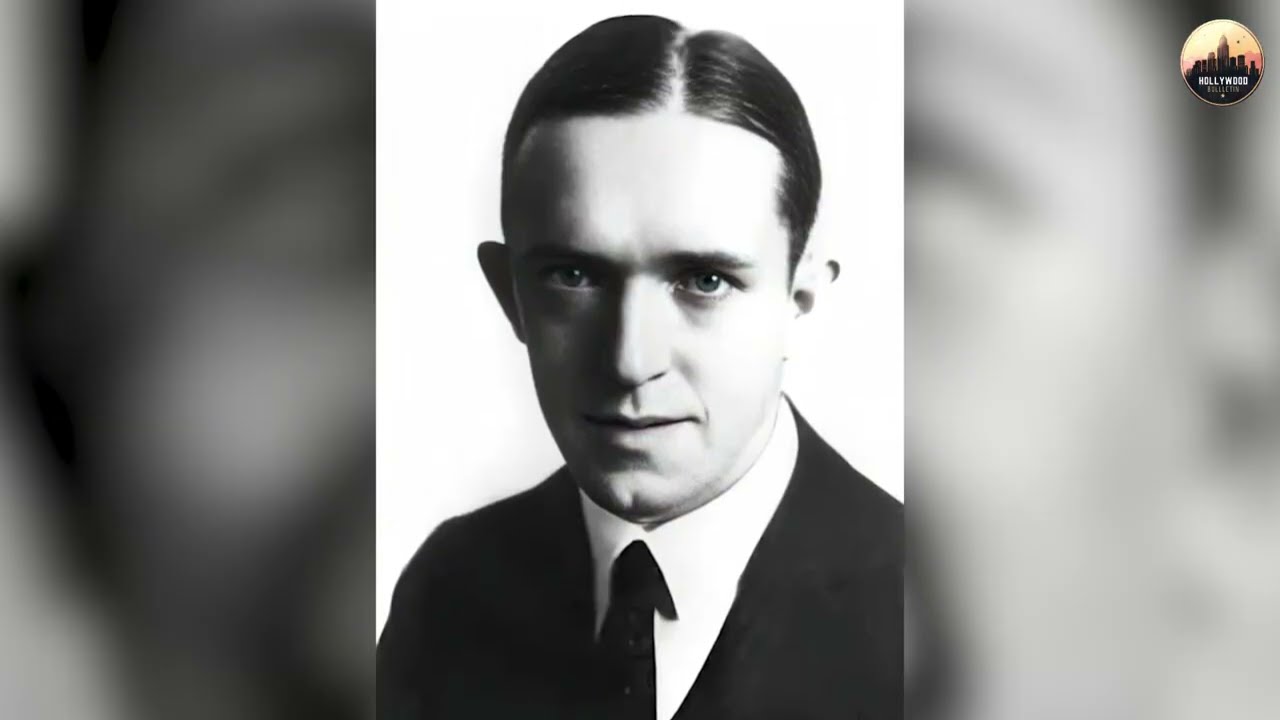
Born Arthur Stanley Jefferson in England in 1890, Laurel grew up inside theaters. His father managed stages and wrote plays. His mother performed as an actress. But the family’s constant touring left young Stanley frequently separated from his parents. That early loneliness planted a seed of sadness that would grow for decades.
Instead of rejecting show business, the boy became obsessed. He built toy theaters. He staged puppet shows. At just 15, he was skipping school to perform professionally. His father eventually gave in, recognizing his son’s undeniable talent. That reluctant blessing sent Laurel down a path to America—and to his destiny.
In 1912, Laurel traveled with Fred Karno’s famous comedy troupe. A young Charlie Chaplin shared that same stage. When the tour ended, most performers returned to England. Laurel made a risky choice. He stayed in America, determined to build a career from scratch. That decision would define his life, both gloriously and tragically.
The early years were brutal. Laurel struggled through vaudeville, small film roles, and constant rejection. He also entered a complicated relationship with Mae Dahlberg, his stage partner and romantic companion. She was demanding and volatile. Their partnership eventually dissolved, but not before leaving scars. Still, Laurel kept pushing forward.
Producer Joe Rock finally helped Laurel stabilize his career. By the mid-1920s, he was working at Hal Roach Studios. Then came an accident that changed everything. Oliver Hardy suffered an injury and became temporarily unavailable. Laurel stepped back into a role opposite him. That unexpected pairing ignited a spark that would become legend.
Laurel and Hardy became the most beloved comedy team in history. Their films defined an era. But Laurel was not just a performer. He wrote jokes, developed gags, shaped scenes, and perfected timing. Every pratfall was calculated. Every glance was rehearsed. Their physical comedy required enormous precision and exhausting effort.
The transition from silent films to talking pictures could have destroyed them. Instead, Laurel adapted brilliantly. Their dialogue-based humor proved timeless. Hollywood changed around them, but the duo remained untouchable. Audiences flocked to theaters worldwide. Millions laughed until they cried. But at home, Laurel was crying too.
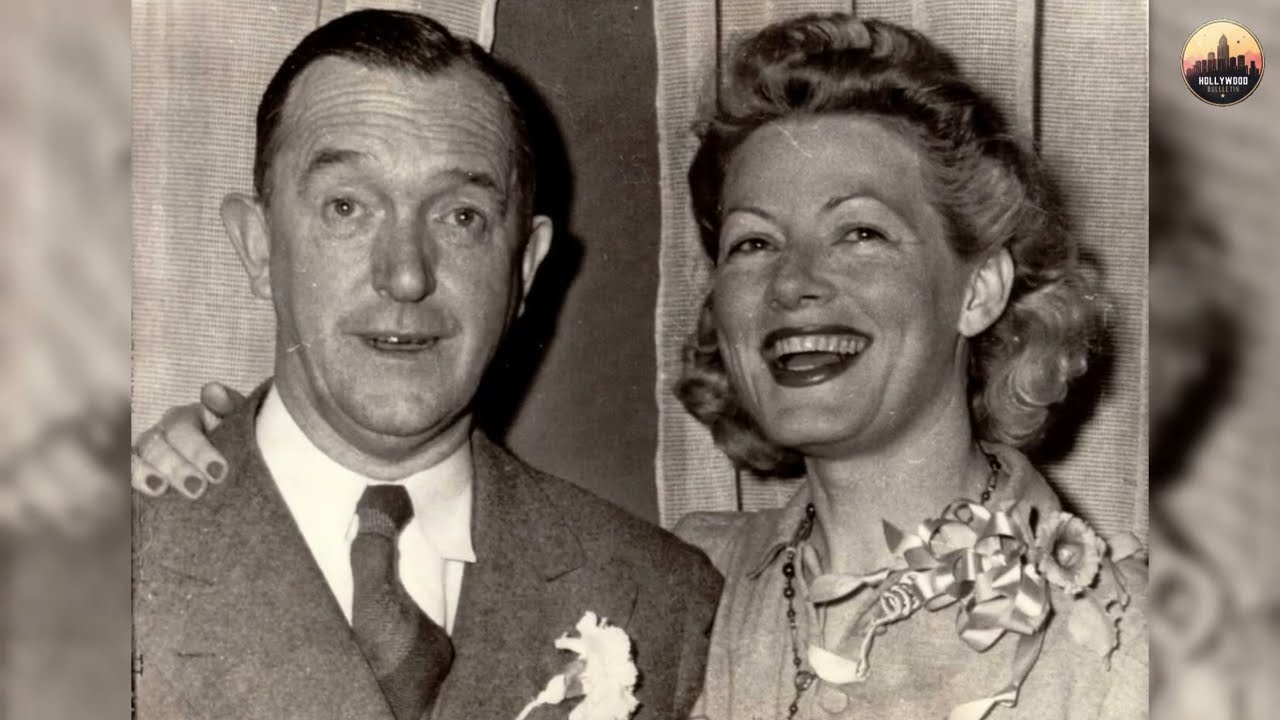
In 1930, Laurel and his then-wife Lois welcomed a son. Baby Stanley Robert arrived prematurely. He survived only nine days. The loss was catastrophic for Laurel. He never fully recovered from that tiny coffin and empty crib. His marriage to Lois eventually crumbled under the weight of grief. He reportedly admitted he was still in love with her years later.
His personal life became a storm. Laurel married multiple times, often in quick succession. Divorces drained his finances. Legal disputes multiplied. Bad investments destroyed what remained of his earnings. At one point, he sold treasured possessions just to survive. He even borrowed money from Oliver Hardy, a humiliation that stung deeply.
Yet Hardy remained a lifeline. Their bond was fierce and unbreakable. They worked together through wealth and poverty, through fame and decline. But by the mid-1950s, Hollywood had moved on. The duo’s final film together was a disappointment. They returned to live performances in Europe, recapturing some magic despite aging bodies.
Then came the blow that ended everything. In 1957, Oliver Hardy suffered a massive stroke. A few months later, he died at just 65. Laurel was shattered beyond description. He refused to find another partner. He rejected every offer for a new comedy team. He insisted there could never be another Oliver Hardy.
For Laurel, the duo was not a career. It was a sacred bond. It was a marriage of souls. Without Hardy, the world felt empty. Laurel withdrew from public life. He stopped performing. He spent his final years in increasing isolation, battling declining health, and grappling with loneliness that no applause could fix.
He also struggled financially until the very end. Multiple alimony payments, legal costs from old contracts, and unwise investments had stripped away his wealth. At times, he relied on the kindness of friends. He sold personal belongings and memorabilia. The man who had earned millions through laughter now counted pennies in his final years.
His health deteriorated steadily. Heart problems plagued him. He suffered strokes and other ailments. But nothing hurt as much as the absence of Hardy. Laurel reportedly kept a framed photo of his partner by his bedside. Friends said he spoke of Hardy as if he were still alive. The grief never faded, not even slightly.
On February 23rd, 1965, Stan Laurel died of a heart attack in Santa Monica. He was 74 years old. The news hit the world like a thunderbolt. Frank Sinatra reportedly left a phone message for Laurel shortly before his death. It said, “If you’re in pain, don’t hang on. It’s okay to go.” Laurel passed hours later.
But even in death, Laurel’s generosity endured. He had told his nurse just before dying, “I’d rather be skiing.” When she asked if he knew how to ski, he replied, “No, but I’d rather be doing that than this.” His final moments were reportedly serene, a quiet exit from a painful life.
The public mourned a legend. The industry honored a pioneer. But the private sorrow remained. Laurel’s daughter later revealed that her father never stopped grieving his son. He also never stopped missing Hardy. Every laugh he gave the world came at a personal cost. Every smile was a shield.
Historians now view Laurel’s life through a darker lens. He was a perfectionist who demanded everything from himself. He was a man who poured his pain into comedy. He once said, “If you’re not funny, you’re sad.” He knew that truth intimately. He lived it every single day.
His legacy, however, is undeniable. Laurel and Hardy’s films remain timeless classics. They invented a language of comedy that still influences generations. But the man behind the bowler hat carried wounds that never healed. His laughter was genuine, but so was his suffering. Both were real. Both were immense.
The final irony is cruel. Millions adored Stan Laurel. They sent letters, praised his work, and cheered his appearances. But he often felt alone in crowded rooms. His greatest fear was being forgotten. Yet he worried he would only be remembered as half of a duo, never as the architect of that genius.
Apple Hardy died first. Laurel said he felt like half a person. He described his partner’s death as losing his other self. He never remarried. He never toured again. He simply waited. And when his own heart finally stopped, many believed it was because it had been broken for eight long years.
Stan Laurel’s story is a warning. It shows that success does not equal happiness. It reveals that fame can be a lonely prison. He gave everything to his craft and received applause in return. But applause cannot replace a lost child. Accolades cannot cure a broken marriage. Money cannot buy back a partner’s love.
The last years of his life were tragically simple. He lived quietly in a small apartment. He received occasional visitors. He watched television. He smoked cigarettes, though doctors warned him. He often looked out the window, lost in memory. Neighbors remembered him as a kind, gentle man who rarely smiled.
That is the real tragedy. A man whose profession was joy struggled to find it himself. The camera captured his brilliance. The public never saw his tears. But history now records both. And the truth is devastating. Stan Laurel made millions laugh, but he died a broken man.
His death certificate lists heart failure as the cause. But those who knew him understood the deeper truth. His heart failed because it had been shattered years earlier. When Oliver Hardy died, a part of Laurel died too. On February 23rd, 1965, the rest of him finally followed.
Today, fans revisit Laurel and Hardy movies with laughter and nostalgia. They see two friends making the world brighter. But behind those films lies a story of profound loneliness. Stan Laurel was not just a comedian. He was a survivor of unimaginable pain. He masked his grief with cartoonish grace.
Hollywood celebrated him, then forgot him. Awards came late and rarely. He received an honorary Oscar in 1961, but it was for comedy pioneer status, not for his personal struggles. He accepted it graciously. But privately, he still mourned. The trophy did not heal him. Nothing could.
His daughter, Lois Laurel Hawes, spent years preserving his legacy. She spoke openly about her father’s emotional battles. Her stories revealed a man who never stopped missing his dead infant son. The baby’s memory haunted him for 35 years. That kind of pain does not vanish with laughter.
Stan Laurel’s final request was reportedly simple. He wanted his remains scattered at sea. He did not want a grand funeral. He did not want crowds. He wanted peace. His ashes were eventually placed at sea off the California coast, honoring his last wish for quiet solitude.
But his spirit lingers everywhere. In every classic comedy, in every skilful pratfall, in every perfect pause. He taught the world that timing is everything. He also taught that silence can be louder than screams. His genius was unmatched. His pain was equally profound.
The lesson from his life is clear. Never assume that laughter means happiness. Never believe that fame equals fulfillment. Stan Laurel had everything: fame, fortune, and adoration. But he lost the things that truly mattered: his son, his partner, and his peace. He died with far less than he deserved.
The world has never seen another Stan Laurel. There will never be another Oliver Hardy. Their magic was once-in-a-lifetime. But the cost of that magic was astronomical. Laurel paid for it with decades of emotional suffering. He sacrificed his inner peace to give others outer joy.
So next time you watch a Laurel and Hardy film, look closely. See the subtle sadness in Laurel’s eyes. Notice the gentle resignation behind his smile. He was not just acting. He was revealing a truth he could never voice aloud. He was showing the world what it looks like to hurt.
Stan Laurel died a broken man. But he also died a legendary one. His legacy is complicated: genius mixed with agony. We remember the laughter. We should also remember the price. He paid it willingly, but he paid it all the same. That is the story the cameras never captured.
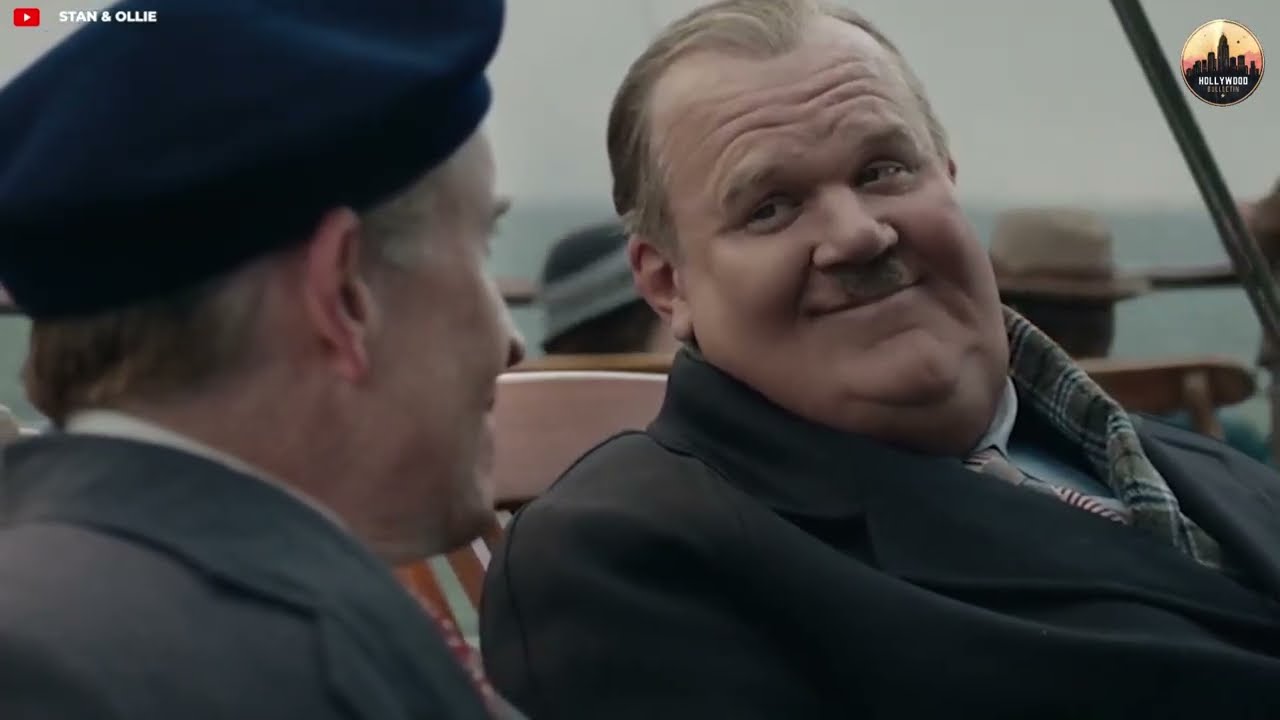
And now, that story is finally being told. It is not a happy one. But it is honest. Stan Laurel gave everything to the world. In return, the world gave him applause. Yet applause cannot fill an empty heart. And when the curtains closed, he was left holding nothing but memories.
Rest in peace, Stan Laurel. You made the world laugh. But we now know you were crying inside. That realization makes your work even more remarkable. That courage makes your life even more heartbreaking. You were the most joyful sad man in history. And we will never forget you.