Kristy McNichol was one of the most successful young actresses of her generation, winning two Emmys before she turned 18 and becoming a household name through her role on the ABC drama Family. But behind the awards and the fame, she was quietly carrying burdens that would eventually reshape her entire life—including a secret about her identity that she would not reveal publicly for decades. Born Christina Ann McNichol on September 11, 1962, in Los Angeles, Kristy’s childhood was marked by family hardship long before Hollywood came calling. Her father, James, worked as a carpenter, and her mother, Carolyn, was a registered nurse.
When Kristy was just three years old, her parents separated, leaving Carolyn to raise Kristy and her two brothers, Jimmy and Tommy, on her own. Carolyn noticed early on that her daughter had a natural gift for performing. She decided to take an active role in managing Kristy’s budding career, a decision that would steer the young girl’s life in a very specific direction. By age six, Kristy had already appeared in her first television commercial.
Her childhood quickly became consumed by auditions and filming schedules. Her brother Jimmy also pursued show business, and the McNichol family became closely tied to the entertainment industry. During the early 1970s, Kristy landed small roles on popular programs including Starsky & Hutch, The Bionic Woman, Love, American Style, and The Love Boat. Her first regular television role came in 1974 on the CBS drama Apples Way.
Though the series lasted only one season, it gave her steady experience on a professional production. Then came the role that changed everything. In 1976, at age 13, Kristy was cast as Leticia “Buddy” Lawrence on ABC’s Family. The series dealt with serious subjects that many shows of the era avoided, including divorce, illness, grief, and identity.
Working alongside seasoned actors like Sada Thompson, James Broderick, and Meredith Baxter, Kristy quickly stood out for her natural and believable performance. Her work earned her three consecutive Emmy nominations for Outstanding Supporting Actress in a Drama Series in 1977, 1978, and 1979. She won her first Emmy in 1977 at age 15 and another in 1979, making her one of the most celebrated young actresses in America. But the success came with a heavy price.
Kristy’s professional life moved far faster than her personal one. Instead of a typical school experience, she had filming schedules, auditions, interviews, and public appearances. By 16, she was one of the most recognizable teenage stars in the country. She later spoke about missing ordinary teenage milestones—she never had a typical school experience and never went to prom.
The pressure extended beyond her schedule. As her profile grew, so did expectations. Winning an Emmy at 15 created a standard she was expected to maintain. Every new role was judged against her past achievements.
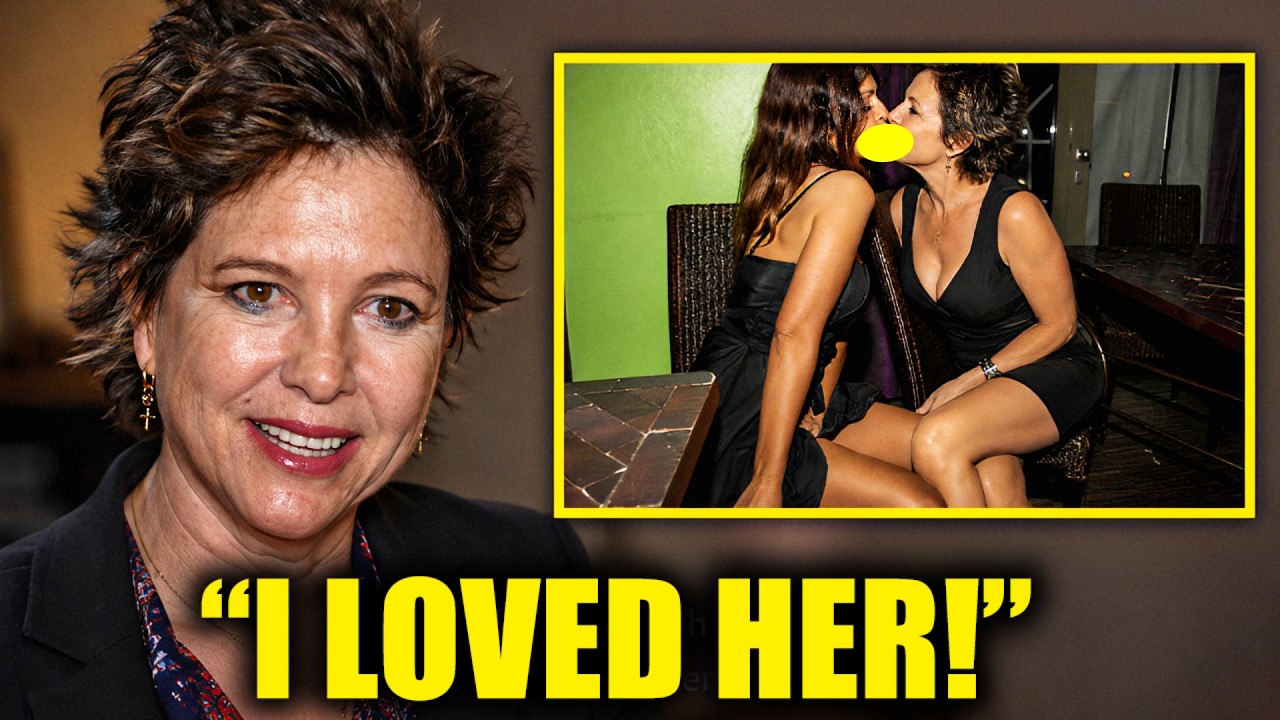
And while audiences saw a confident, successful young star, Kristy was privately dealing with something she did not feel safe sharing. Kristy was gay, but during the 1970s and 1980s, openly LGBTQ+ performers faced serious professional and personal risks. The entertainment industry was far less accepting than it is today, and public discussion of homosexuality was often met with stigma. For a young actress whose career depended on public approval, revealing that part of herself felt too dangerous.
She kept it secret, adding another layer of burden to an already demanding childhood. Her career continued to expand beyond acting. In 1978, Kristy and her brother Jimmy released an album through RCA Records. They promoted it at Studio 54 and appeared together on The Carpenters’ television special A Christmas Portrait.
Each new commitment meant more time spent working, and the demands on her continued to grow. Kristy began transitioning to film before Family ended. In 1978, she appeared alongside Burt Reynolds and Sally Field in The End. That same year, she gave a strong performance in the television film Summer of My German Soldier, playing a young Jewish girl who secretly protects a German prisoner during World War II.
In 1980, she starred in Little Darlings opposite Tatum O’Neal. The film followed two girls at summer camp who make a bet about who will lose her virginity first. It was controversial for its subject matter and the age of its characters, but it became a commercial success, earning about $34. 3 million domestically.
Kristy reportedly had the first choice between the two leading roles and selected Angel Bright, a tough, street-smart teenager very different from Buddy on Family. That same year, she won a People’s Choice Award for Favorite Young Motion Picture Actress. In 1981, she appeared in The Night the Lights Went Out in Georgia and Neil Simon’s Only When I Laugh, earning a Golden Globe nomination for Best Supporting Actress for the latter. Her career appeared to be on an unstoppable trajectory.
But privately, things were falling apart. During the filming of Just the Way You Are in France in 1982, Kristy struggled badly. She later described difficulty sleeping, crying frequently, and feeling overwhelmed. She explained that years of accumulated pressure had built up until she could no longer handle it.
Production was temporarily interrupted. The episode later became the subject of speculation, including rumors that drugs were involved. Kristy rejected that explanation, stating clearly that the pressure of her career and personal circumstances was enough to cause what happened. Just the Way You Are was eventually completed and released in 1984, but the experience changed the direction of her career.
Reports about her health made some studios cautious, and the roles offered to her were no longer as prominent. She continued working—appearing in Dream Lover and Women of Valor in 1986, and You Can’t Hurry Love and Two Moon Junction in 1988—but the momentum had shifted. Then television gave her another opportunity. In 1988, Kristy joined the cast of Empty Nest, a sitcom connected to The Golden Girls.
She played Barbara Weston, a police officer and the younger daughter of Richard Mulligan’s character, Dr. Harry Weston. The role was a departure from her earlier vulnerable teenage characters—Barbara was independent, confident, and physically tough. The show brought Kristy a measure of stability after several difficult years.
It developed its own audience and remained on the air for several seasons. Then, in 1992, she left Empty Nest midway through its fifth season. Viewers were not given the full story at the time, and her sudden departure raised questions. Three years later, she returned briefly for the series finale in 1995.
It was during this period that more information came to light. Kristy had been diagnosed with bipolar disorder. The diagnosis helped explain the emotional struggles she had experienced throughout her life. Managing the condition required treatment, stability, and careful attention to daily routine.
She made the decision to prioritize her health over her career. That choice was especially difficult because mental health was discussed very differently in the early 1990s. Considerable stigma surrounded psychiatric diagnoses, and public figures had strong reasons to keep such information private. After leaving Empty Nest, Kristy continued doing some acting, mostly voice roles in animated projects such as Extreme Ghostbusters in 1997 and Invasion America in 1998.
These appearances were far less demanding than maintaining a regular live-action television role. Eventually, even those became rare. In 2001, at age 38, Kristy officially announced her retirement from acting. The announcement came through her publicist and was remarkably simple.
She said it was finally time for her to take on the most important role of all—being herself. Retirement allowed Kristy to explore interests that had been difficult to pursue while working constantly. She taught acting at a private school in Los Angeles, sharing her firsthand knowledge of auditions, pressure, and the demands of professional television and film. She also traveled, became involved in charity work, and enjoyed greater control over her time.
After growing up with schedules dictated by productions and publicity commitments, having an ordinary day became something valuable. In 2011, Kristy enrolled in the music program at Los Angeles Valley College, joining the school’s choir. Unlike her teenage album with her brother, this time music was purely personal—something she did because she enjoyed it. She also became involved with the Los Angeles Valley College Foundation and helped support the school’s music program.
Her personal life became much quieter. She enjoyed traveling, including trips to Hawaii, and spending time with her miniature dachshunds. For someone who had spent years being recognized everywhere she went, privacy was clearly something she valued. In later conversations, Kristy left open the possibility that she might return to acting one day, but she was not actively pursuing a Hollywood comeback.
She had learned that happiness did not have to come from being on television. Then, at age 50, Kristy made another deeply personal decision that finally explained one of the biggest secrets she had kept from the public for decades.