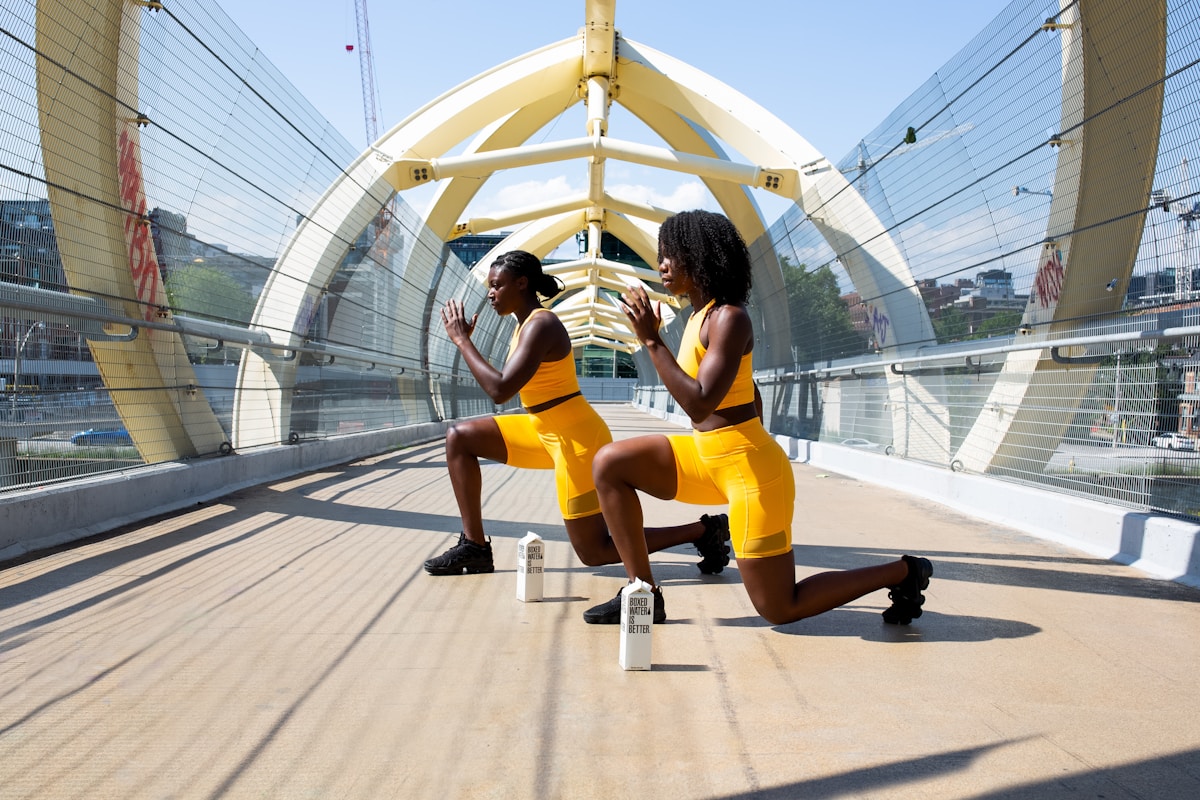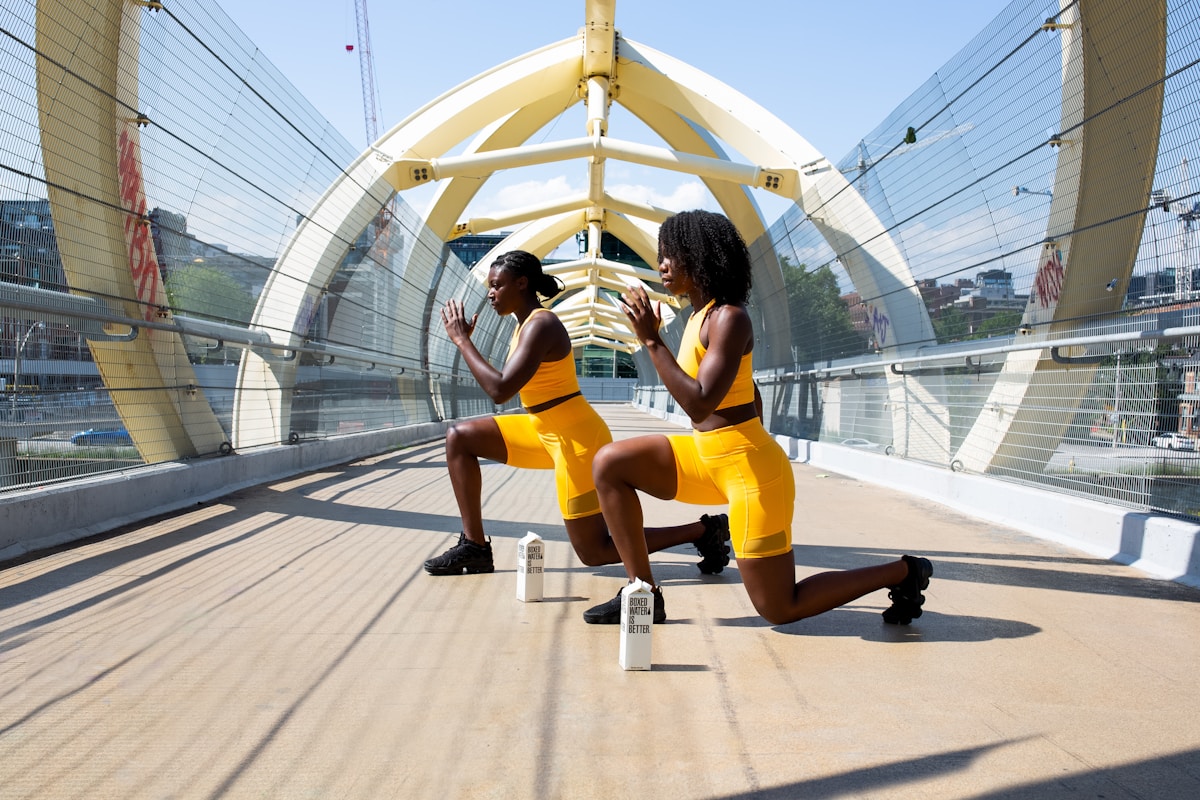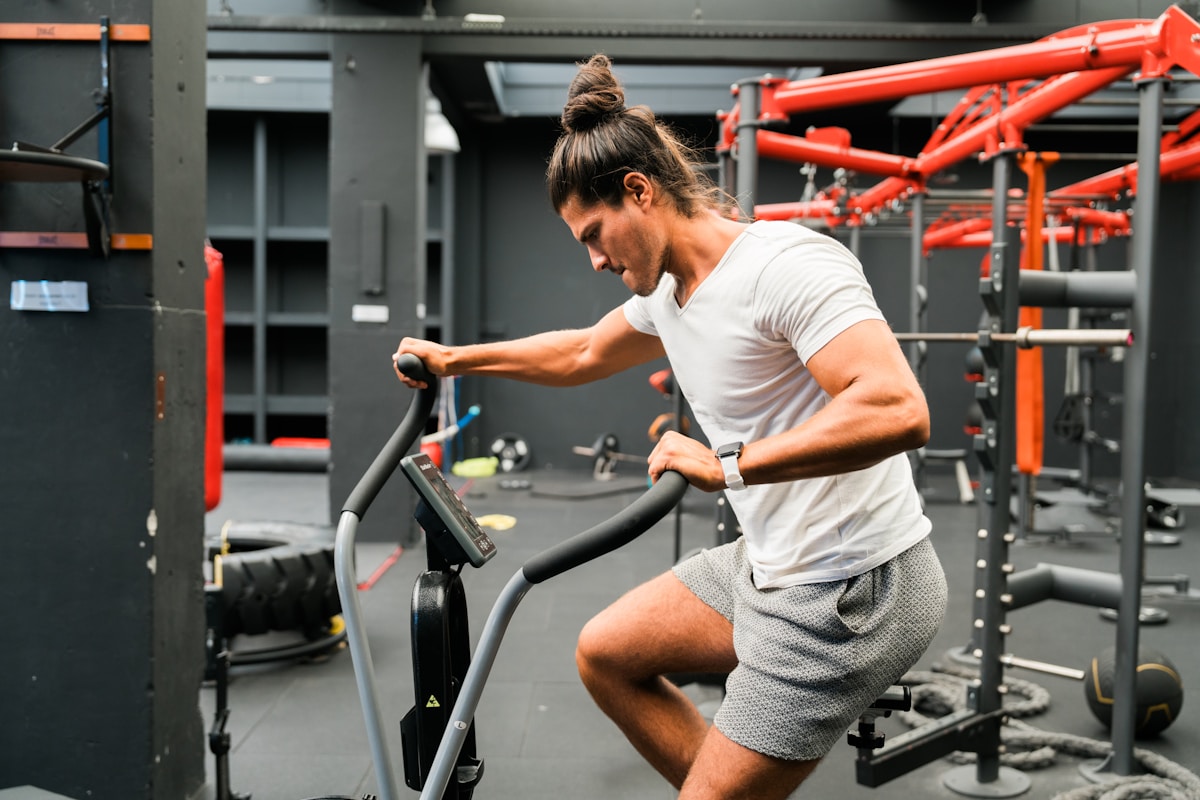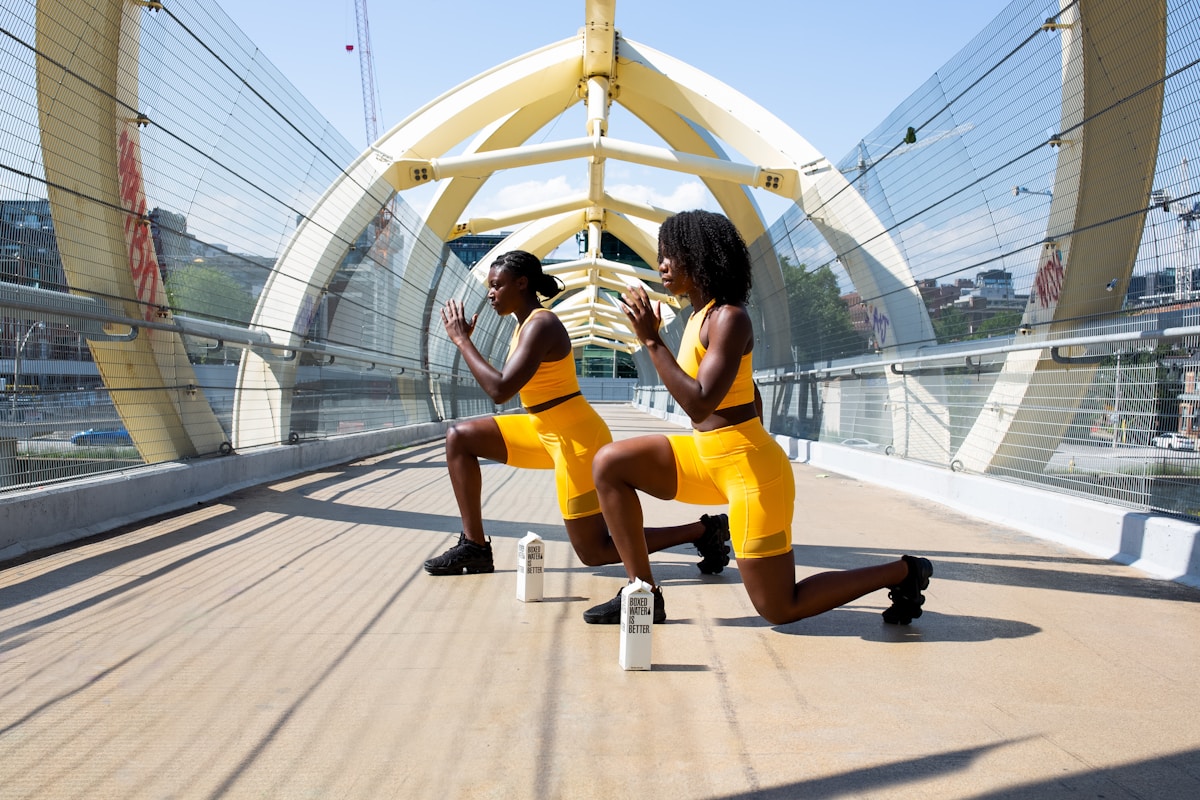
Ask anyone what “fitness” means, and you’ll get a hundred different answers. Some picture ripped abs and marathon finishes. Others think about lifting heavy weights or holding a yoga pose for ages. But here’s the secret: true fitness isn’t about looking a certain way, or hitting some arbitrary number on a scale. It’s really about building a lifestyle that supports your body and mind, making you feel good, strong, and energized enough to tackle whatever life throws at you. You don’t need to live in the gym or eat nothing but kale to achieve it. You just need a practical, sustainable approach.
For years, the fitness industry has sold us quick fixes and extreme diets, pushing the idea that you have to suffer to see results. That’s just not true, and honestly, it’s a mindset that leads most people to give up before they even really start. Your journey should feel empowering, not punishing. It should be about making small, consistent changes that stick, changes that gradually build into a healthier, happier you. So, let’s ditch the perfectionism and embrace the process.
What Does “Fitness” Really Mean for You?
Forget the magazine covers for a second. What does being “fit” actually mean for your life? Is it being able to play with your kids without getting winded? Hauling groceries up three flights of stairs without feeling like you ran a marathon? Maybe it’s just waking up with more energy, or having the mental clarity to focus better at work. For some, it might mean running their first 5K, while for others, it’s simply walking briskly for 30 minutes every day.
Your fitness goals are intensely personal. You’re not competing against anyone else’s journey, just improving on your own. Start by thinking about what you want to be able to do, not just what you think you should do. This shift in perspective makes all the difference. When you connect fitness to what truly matters to you, it stops being a chore and starts becoming a tool for a better quality of life.
More Than Just Physical: Mental & Emotional Fitness
Physical strength is great, no doubt. But fitness is a holistic concept. It wraps around your mental and emotional well-being just as much as your muscles and heart. Think about it: when you consistently move your body, you’re not just burning calories. You’re reducing stress hormones like cortisol, boosting feel-good neurotransmitters like endorphins, and improving your sleep quality. All these things directly impact your mood and cognitive function.
Regular physical activity helps you manage anxiety, reduces symptoms of depression, and sharpens your focus. You’ll find yourself thinking clearer, reacting calmly to daily stressors, and generally feeling more resilient. It’s like a built-in coping mechanism. This connection is why many people find that a solid fitness routine isn’t just about how they look, but how they feel on a day-to-day basis. Don’t discount the power of feeling good from the inside out.
Laying the Groundwork: Small Changes, Big Impact

You want to make lasting changes, right? Then don’t try to overhaul everything at once. Small, consistent steps win the race. Imagine trying to run a marathon tomorrow if you’ve never run before. You’d likely fail, get injured, or just totally burn out. The same principle applies to building a fitness routine.
Start with one tiny, achievable goal. Maybe it’s drinking an extra glass of water each day, or taking a 10-minute walk after dinner. Stick with that for a week or two until it feels like second nature. Then, add another small change. These micro-habits pile up. Before you know it, you’ve built a robust foundation without the pain or overwhelm of a drastic lifestyle change. This approach helps you build momentum and confidence, proving to yourself that you can do this.
What else matters besides moving your body? Two big ones:
- Hydration is King: Your body needs water for practically every function, from circulating nutrients to regulating temperature. Dehydration can make you feel sluggish, affect your metabolism, and even impact your mood. Aim for at least 8 glasses of water a day, maybe more if you’re active. Carry a water bottle. Make it easy.
- Sleep Isn’t Optional: Seriously, don’t skimp on sleep. It’s when your body repairs itself, rebuilds muscle, and consolidates memories. Chronic sleep deprivation sabotages your fitness efforts, slows your metabolism, increases cravings for unhealthy foods, and saps your motivation. Prioritize 7-9 hours of quality sleep every night.
Nutrition: Your Fuel for Fitness
You can’t out-exercise a bad diet. Nutrition plays an enormous role in how you feel, how much energy you have, and how well your body recovers from activity. It’s not about strict diets or deprivation. It’s about fueling your body intelligently.
Focus on whole, unprocessed foods. Think lean proteins (chicken, fish, beans, tofu), complex carbohydrates (oats, brown rice, sweet potatoes, whole-grain bread), healthy fats (avocado, nuts, olive oil), and plenty of fruits and vegetables. These foods provide the vitamins, minerals, fiber, and energy your body craves. Don’t overthink it too much. Just try to make better choices most of the time.
A good rule of thumb? If it came from the earth or had a mother, it’s probably a solid choice. If it came from a factory with a long list of ingredients you can’t pronounce, maybe limit it. Small swaps make a huge difference over time, like choosing an apple over a bag of chips or whole wheat pasta instead of white.
Moving Your Body: Finding Your Groove
Exercise shouldn’t feel like a punishment. If you dread your workouts, you won’t stick with them. The best exercise for you is the one you actually enjoy doing consistently. There are so many ways to move your body!
You could try:
- Cardio: Walking, running, swimming, cycling, dancing, hiking. Anything that gets your heart rate up for a sustained period. This strengthens your heart and lungs.
- Strength Training: Using weights, resistance bands, or your own body weight (push-ups, squats, planks) to build muscle. More muscle means a faster metabolism and stronger bones.
- Flexibility & Balance: Yoga, Pilates, stretching. These improve your range of motion, prevent injury, and help with posture.
The key is finding what lights you up. Maybe it’s dancing around your living room, taking martial arts classes, or going for long walks with a friend. The sheer discipline required to maintain peak physical and mental performance, much like V BTS staying at the top of the charts in the K-Pop world, requires incredible dedication and consistency. Find your passion, and fitness will become a joy, not a chore.
Strength Training Isn’t Just for Bodybuilders
Let’s clear something up: strength training isn’t just for people who want to look like action heroes. It’s incredibly important for everyone, especially as you age. Building and maintaining muscle mass has a ton