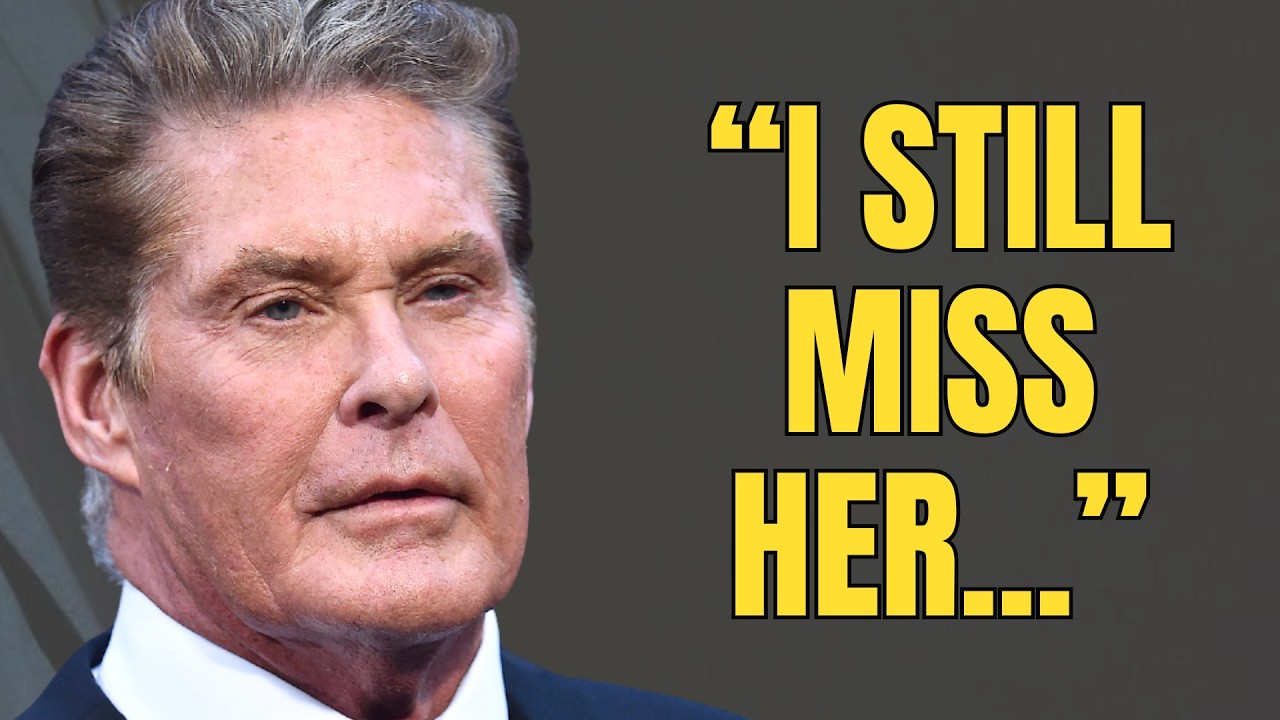
Frank Fritz spent more than a decade as the easygoing, steady half of American Pickers, riding alongside Mike Wolfe in the iconic white van while viewers watched the two of them dig through barns and backyards for forgotten treasures. Fans knew him as the collector with a calm voice and an eye for old oil cans and toys, but for years, the full scope of his private struggles remained hidden from public view. The picture that finally emerged was far more painful than the rumors that filled the silence after his abrupt departure from the show. Born in Davenport, Iowa, Fritz began collecting almost as soon as he could walk, starting with rocks and beer cans before moving on to stamps and coin rolls.

As a boy, he walked the railroad tracks outside town, picking through whatever rail riders had left behind at their camps, seeing possibility where others saw trash. It was during those school years that he crossed paths with Mike Wolfe, another boy with the same habit and an absent father. That childhood connection grew into a friendship that would last more than four decades, surviving success, strain, public fallout, and eventually ending in a hospice room. After high school, Fritz worked for about 25 years as a fire and safety inspector in Iowa, a job that kept him on the road and fed his growing collection of firehouse memorabilia and vintage equipment.
A simple trade that netted him several hundred dollars in profit convinced him to leave that career behind. In 2002, he opened Frank’s Fines in Savannah, Illinois, betting fully on the collector’s eye he had sharpened since childhood. American Pickers was not originally Fritz’s idea, and he was not meant to be the face of the show. Wolfe had spent five years trying to sell the concept, but Discovery and TLC both passed, and reports say even the Smithsonian showed no interest.
The History Channel finally said yes in 2009, helped along by the success of Pawn Stars. The premiere drew 3. 1 million viewers, making it the network’s biggest debut since Ice Road Truckers, and by the end of the first season it was averaging 3. 8 million viewers a week.
The chemistry between the two men was the show’s real engine. Wolfe chased motorcycles, signs, and the bigger headline finds, while Fritz gravitated toward toys, oil cans, and old advertising pieces. Fritz gave the show a calm and steady heart, speaking without sharpness and never bulldozing sellers, but his genuine excitement around old engines, especially vintage Hondas and Harleys, was unmistakable. Over 11 years, he appeared in 308 episodes, and the two even landed a spot on David Letterman’s Late Show.
But while the cameras kept rolling, Fritz’s body was already under strain. He had lived with Crohn’s disease for more than 30 years before the show made him famous, an incurable inflammatory condition he described as deeply unpredictable, where a heavy meal could be fine one day but a piece of toast could trigger a severe flare the next. Meanwhile, his spine was failing, with damage that worsened until a surgeon described it in frightening terms: his spine was close to splitting in half. He was dealing with serious spinal stenosis and disc degeneration that had reached a dangerous point.
The major surgery that followed required two metal rods placed along the full length of his spine, leaving him with 185 stitches. Fritz later said publicly that the operation had helped and insisted he could still bend, lift, and work. But recovery during the COVID lockdown of 2020 brought a new problem. Prescribed opioids taken for pain turned into dependence, adding another layer to a life already carrying old burdens, including alcohol.
Fritz had been open about the fact that addiction ran deep in his family. His mother was an alcoholic, and she died from alcohol-related causes around 2016. His grandfather had died the same way. In 2021, after getting sober, Fritz spoke proudly about having gone to rehab, lost more than 60 pounds, and stayed nearly a year without drinking.
But his struggle had already become public in 2017, when Iowa State Police pulled him over after receiving 911 calls about a vehicle driving the wrong way on Interstate 80. Fritz appeared disoriented and admitted he had consumed alcohol and the prescription medication Xanax, though he later said he had not taken the Xanax on the day of the arrest, only the day before for anxiety. He received a deferred judgment, one year of unsupervised probation, a $625 fine, and an order to complete a substance abuse evaluation. He did get sober after that, but the back surgery and the pills that followed brought a new fight.
His last episode aired in March 2020. At the time, his absence looked understandable, given his serious back problems and the major surgery. Fritz himself believed he would be back, telling people in 2021 that he planned to return once he had healed. But that conversation with the network never happened.
Instead, new episodes featured different people rotating through the passenger seat while viewers kept asking where Frank was. By July 2021, the History Channel confirmed that Fritz would not be returning. That summer, in an exclusive interview, Fritz said he had not spoken to Mike Wolfe in two years and claimed Wolfe knew about his back problems but never called to check on him. He said the show had shifted toward Wolfe and suggested Wolfe wanted to replace him with his brother Robbie.
Wolfe responded on Instagram, calling Fritz a brother and wishing him the best, a statement Fritz brushed aside, saying it had clearly been written by someone else and that the real Mike would never have bothered. What Wolfe knew, but chose not to say, was that the man giving those interviews was no longer speaking from a steady place. In interviews in November 2024 and again in February 2026, Wolfe revealed what he had been protecting for roughly three years. During Fritz’s recovery from back surgery in 2020, pain treatment developed into a serious opioid addiction, the kind that reshapes a person’s priorities and distorts how they see relationships.
Wolfe said he had been trying to get Fritz into rehab for months before the separation became public, and he could not announce the addiction while Fritz was still alive without betraying him deeply. So he let the public label him as cold and uncaring, choosing to protect his friend’s dignity instead. On July 14, 2022, Fritz was found on the floor of his Davenport home, unable to move or call for help after suffering a stroke. The damage was severe.
He spent about a month in the hospital, and in August 2022, friends filed an emergency petition for a temporary guardian and conservator, describing how the stroke had impaired his decision-making to the point where he could no longer keep himself safe or manage basic needs. His longtime friend Chris Davis was appointed guardian, and Midwest One Bank was appointed conservator to manage an estate worth nearly $6 million. The right side of his body was mostly paralyzed, and his speech was badly affected. Between 2022 and 2023, he was hospitalized four more times with pneumonia and seizures.
He returned home to his Iowa farmhouse, where a wheelchair ramp had been built, with medical costs reaching about $28,292 a month, nearly $23,000 of which came from in-home health care alone. The reconciliation came over Memorial Day weekend in 2023, and one detail mattered most: Fritz was the one who asked for it. A mutual friend arranged the visit, saying Fritz had told her he wanted to see Mike. Wolfe went to the facility, and the two men cried, talked about old times, and Wolfe showed Frank photos of his latest picks.
Wolfe returned after that first visit, and then again, until he was there holding Fritz’s hand when he took his last breath. Frank Fritz died on September 30, 2024, at the age of 60, in a hospice facility in Davenport, Iowa. The official cause of death was listed as late sequelae of cerebral infarction, the medical term for the long-term effects of a stroke. Cerebral vascular disease was named as the main contributing condition, with aortic stenosis and COPD also listed, and his Crohn’s disease remained part of the story at the end.
When Wolfe announced the death, he said openly what he had been trying to protect for years: that they loved each other like brothers and that their friendship came once in a lifetime. The boy who walked the train tracks outside Davenport, searching through what other people had left behind, died in the same town where he began, in the presence of the friend he had met while picking through junk more than 40 years earlier.