For decades, The Twilight Zone has been hailed as one of the greatest television series ever produced, remembered for its chilling stories, unexpected twists, and Rod Serling’s unmistakable narration. Yet beneath that celebrated legacy lies a controversial chapter that remained hidden from most fans for more than half a century. Serling created the show during an era when network executives and sponsors routinely censored television writers. Stories that directly addressed war, racism, or politics were often rejected outright.
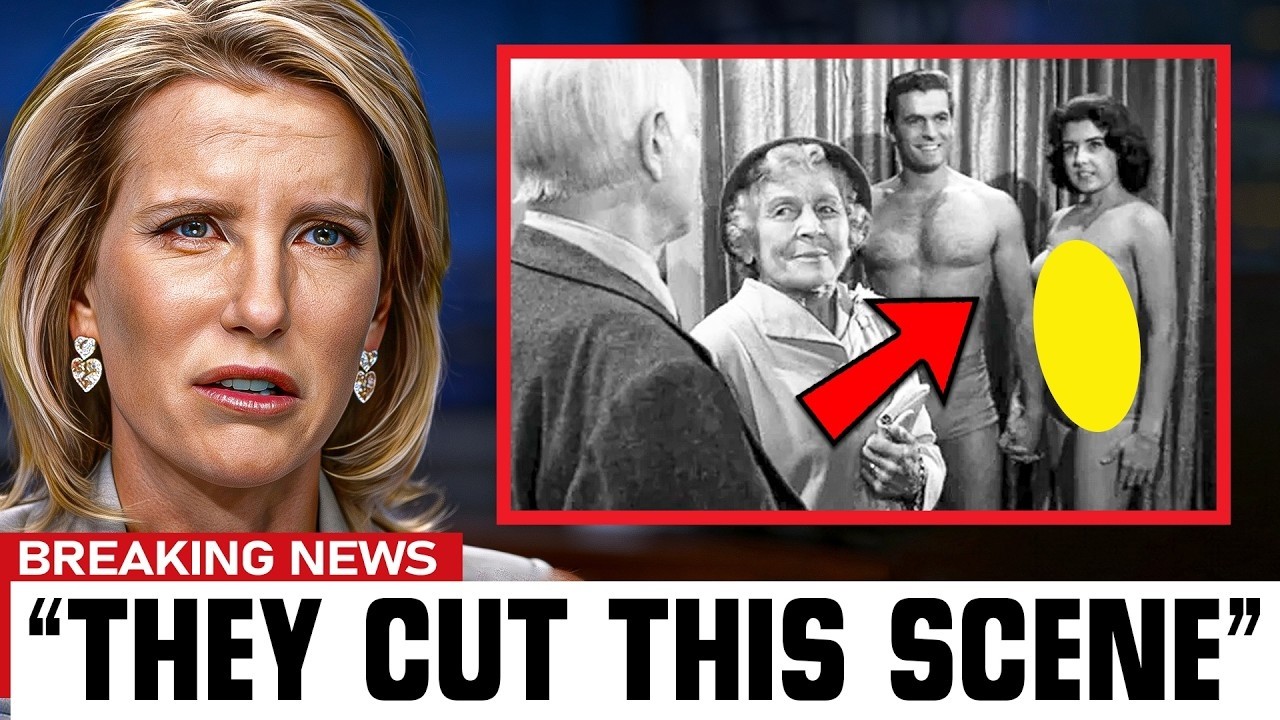
Rather than abandon those subjects, Serling found a workaround by wrapping serious social messages inside science fiction and fantasy, a strategy that allowed him to explore difficult themes while bypassing censorship. The approach proved remarkably successful. The show became a cultural phenomenon and helped launch the careers of future stars including William Shatner, Burt Reynolds, Robert Redford, and Robert Duvall. Even with limited budgets and demanding production schedules, The Twilight Zone produced some of the most memorable episodes in television history.
Still, the series was far from flawless. Modern high-definition restorations have exposed production errors that went completely unnoticed during the 1960s. Hidden wires used for special effects are now clearly visible. Supposedly driverless cars reveal stunt drivers behind the wheel.
Even the monsters that once terrified audiences now show visible costume zippers and other low-budget tricks. While those mistakes are amusing today, they are not the reason one particular episode disappeared for more than fifty years. That episode was titled “The Encounter. ” When it first aired in May 1964, few realized it would become one of the most controversial episodes in television history.
After a single broadcast, CBS pulled it from syndication and effectively locked it away for decades. It did not return to American television until 2016. The story follows two men engaged in an increasingly tense conversation in an attic. One is a Japanese-American gardener named Arthur Takamori, played by George Takei.
The other is a troubled World War II veteran haunted by his own dark memories. As the conversation intensifies, painful accusations and wartime resentments begin to surface. The controversy centers on a shocking claim made during the episode. Takamori reveals that his father supposedly assisted Japanese forces during the attack on Pearl Harbor.
The problem was that no historical evidence supported such a claim. Historians and government investigations found no proof that Japanese-Americans in Hawaii helped carry out the attack. Critics argued that the episode repeated harmful myths that had been used to justify the internment of more than 120,000 Japanese-Americans during World War II. The situation was made even more troubling by George Takei’s personal history.
As a child, Takei and his family had been placed in internment camps solely because of their ancestry. Years later, he found himself acting in a story that many believed reinforced the very stereotypes that had harmed his own community. The backlash was immediate. Viewers, advocacy groups, sponsors, and veterans all voiced concerns.
Combined with the episode’s portrayal of wartime violence and moral guilt, the controversy became too much for the network. CBS quietly removed the episode from circulation, creating one of television’s most famous hidden chapters. Today, “The Encounter” serves as a reminder that even respected productions can make serious mistakes when history is misunderstood or distorted. The episode remains a fascinating piece of television history, not because it was banned, but because it shows how powerful storytelling can sometimes cross the line between fiction and harmful misinformation.
More than sixty years later, the debate surrounding this lost episode continues, proving that some stories never truly disappear.