The disappearance of Jack and Lily Sullivan has been surrounded by unanswered questions from the beginning. Search teams followed digital clues, investigators examined the area around the family home, and extensive resources were deployed.
Yet according to the documentary, one potentially important location was apparently overlooked.
And it took a local resident — not a search team — to bring attention to it.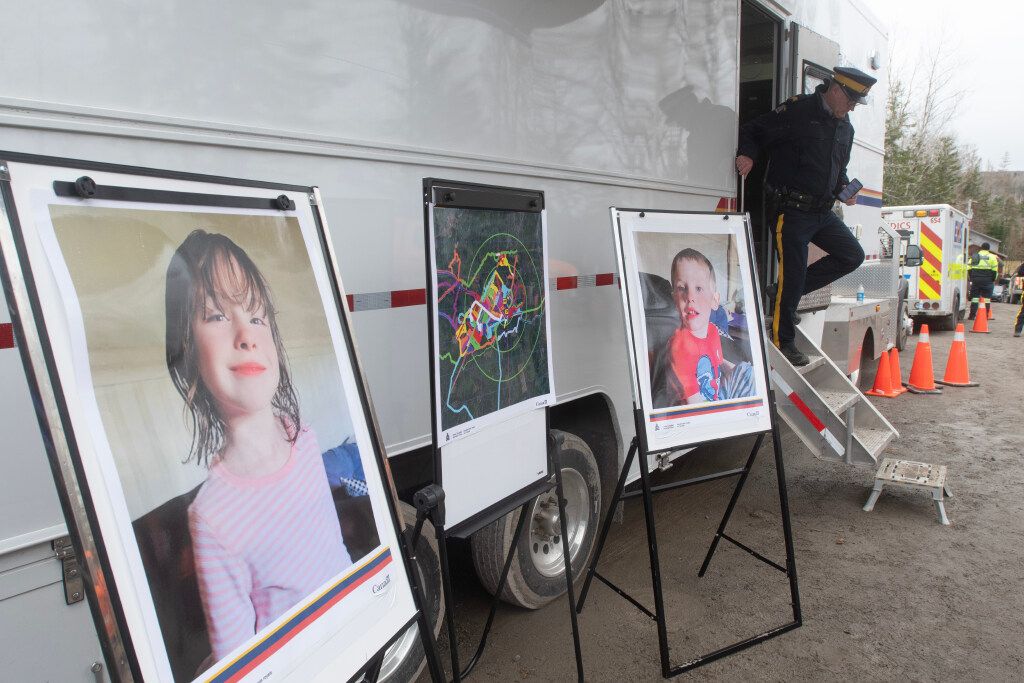
Near a secluded wooden bridge, reportedly outside the original search radius, a resident discovered something partially buried in the dirt:
a faded, torn child’s windbreaker.
The location immediately raised questions. The bridge was reportedly not far from the family home, yet it had not received the same attention during the earliest stages of the search.
After the discovery was reported, investigators reportedly returned to the area with drones and search dogs.
Then, according to the documentary, more items were found.
Children’s clothing.
A small toy.
And objects that sources cited by the video suggest were consistent with descriptions previously provided by the children’s mother.
If those items are confirmed as belonging to Jack and Lily, their location could become significant.
But it also creates an uncomfortable question:
How did they get there?
Investigators reportedly began re-examining the timeline — and another detail suddenly appeared more important than before.
According to the documentary, there was a 17-minute gap in recorded digital tracking data from the day before the children disappeared.
Seventeen minutes might initially seem insignificant.
But once potential evidence is discovered in a location outside the original search focus, every unexplained period becomes worth examining.
Where were the relevant devices during those missing minutes?
Could someone have traveled toward the bridge?
 Or is the gap completely unrelated?
The documentary does not establish an answer, and a gap in digital data alone cannot prove what happened.
But the bridge discovery has reportedly forced renewed attention onto earlier assumptions.
Questions have also been raised about how quickly the original search expanded, whether trail-camera footage was collected soon enough, and the time between the first concerns about the children and the formal public missing-person declaration.
None of those issues proves that investigators missed Jack and Lily at the bridge.
Nor do the reported discoveries, without forensic confirmation, establish exactly when or how the items arrived there.
But they potentially change the question investigators need to answer.
For months, the mystery was:
Where did Jack and Lily go?
Now, according to the documentary, investigators may also have to ask:
Why were objects potentially connected to the children near this particular bridge?
If the items arrived there after the children disappeared, who or what brought them there?
If they were already there beforehand, why?
And if the location was close enough to matter, how did such an apparently important area escape the initial search?
The investigation remains active, and the reported discoveries do not provide a confirmed explanation for the children’s disappearance.
But one detail is now impossible to overlook:
A location that initially received little attention may contain evidence capable of reshaping the entire timeline.
And if the clothing and toy really belonged to Jack and Lily, the most disturbing question may no longer be simply why the children disappeared.
It may be:
What happened during those unexplained minutes — and why did it take a local resident to find what search teams had apparently missed?