The silence lasted nearly three decades, a quiet void where one of television’s most famous friendships used to be.
Kelsey Grammer, now 70 years old, has finally broken his silence on the backstage dynamics of Cheers, and the revelations are reshaping the narrative fans have clung to for over forty years. For decades, the conventional wisdom was simple: Shelley Long was the difficult one, and Ted Danson was the rival. But in a series of candid interviews and reflections from his memoir, Grammer is painting a far more complex picture—one that absolves the assumed villains and places the blame squarely on his own shoulders.
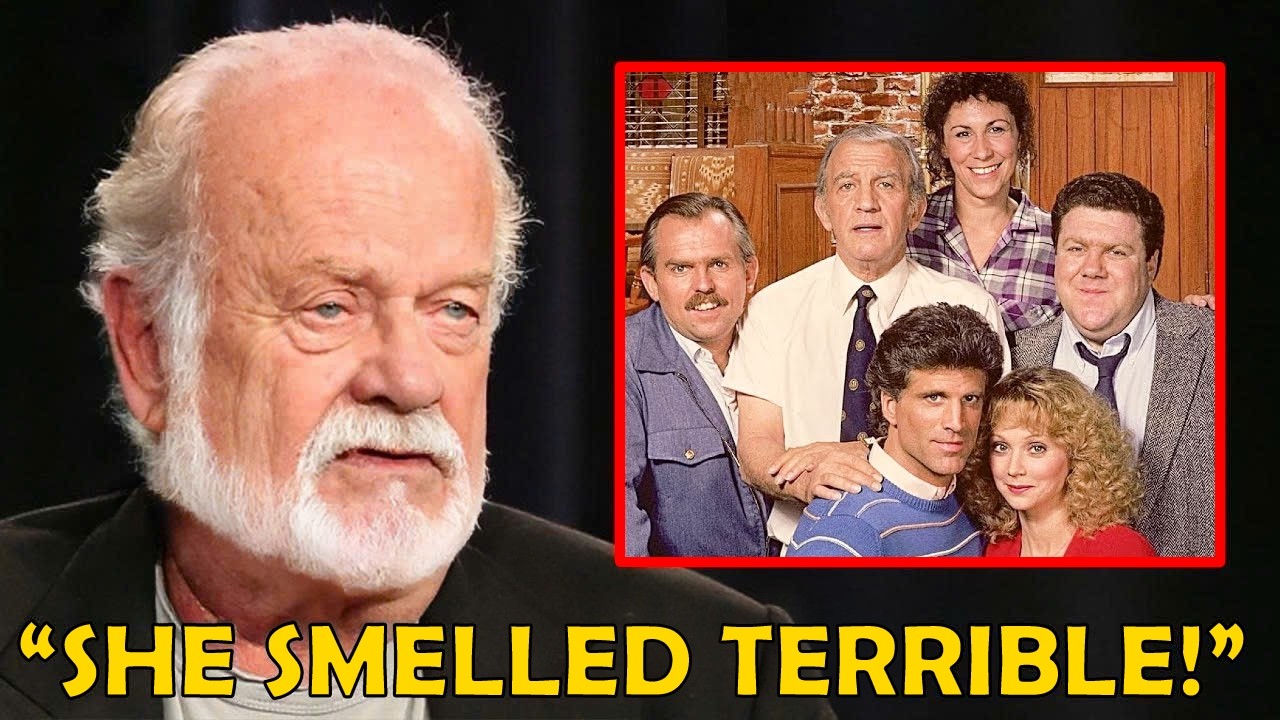 The rumors surrounding Shelley Long began almost as soon as Cheers premiered in 1982. Writers and producers whispered about her constant script revisions and her insistence on dissecting every line of dialogue. She was labeled a perfectionist at best, and a nightmare at worst.
When Grammer joined the cast in 1984 as Dr. Frasier Crane, the gossip intensified, with claims that Long felt threatened by his rising popularity and wanted him written off the show. For years, this cemented her reputation as the most hated member of the ensemble.
However, Grammer’s recent admissions reveal a truth that is far less sensational but infinitely more human. He acknowledges that Long was concerned about Frasier’s expanding role, but he stops short of calling her a saboteur. Instead, he suggests that her intensity was born from a deep-seated need to protect the integrity of her character, Diane Chambers.
Veteran producer Ken Levine has echoed this sentiment, publicly stating that Long never controlled casting decisions and that her stubbornness was rooted in a desire for excellence, not jealousy.
 The more surprising twist in Grammer’s story involves Ted Danson. For years, the two men shared a screen but not a friendship, especially after the show ended in 1993. Grammer now admits that a single, quiet conversation during their Cheers years triggered the rift.
Danson had pulled him aside to express disappointment over Grammer’s lack of preparation, a critique delivered during a period when Grammer was battling severe alcoholism and the trauma of his sister’s murder. Instead of a blow-up, there was a simple acceptance from Grammer, followed by a silent drift that lasted thirty years.
In October 2024, the ice finally broke. Appearing on the podcast Where Everybody Knows Your Name, Danson apologized directly to Grammer for letting the friendship lapse, admitting he regretted the lost decades. Grammer accepted without hesitation, and the reconciliation has since reframed his entire legacy.
 He now insists that the feud was blown out of proportion, a product of two men carrying different burdens who simply lost touch.
At 70, Grammer’s focus has shifted from assigning blame to expressing gratitude. He speaks warmly of the late George Wendt, who passed away in May 2025, and recalls the late-night foosball games with Danson, Wendt, and Woody Harrelson that extended until 4 a. m.
He openly admits that his own addiction and emotional instability made him difficult to be around, taking accountability for the distance that formed between him and his colleagues.
 The most profound takeaway from Grammer’s reflections is the dismantling of the “most hated” narrative. He has not confirmed that Shelley Long or Ted Danson were the villains of the story. Instead, he has revealed that the real enemy was misunderstanding, compounded by the pressures of fame and personal demons.
The feuds that dominated tabloid headlines for decades were, in reality, a collection of human errors and unspoken pain.
As the curtain closes on this long-running saga, the legacy of Cheers is no longer about who was difficult or who was hated. It is a story about forgiveness and the passage of time. Grammer’s final answer is not a condemnation, but a release—proving that even the most iconic television families are built on fragile, complicated, and ultimately redeemable human connections.