The case of Emmanuel Haro has just taken a stunning turn.
After months of questions surrounding the missing child, his father, Jake Haro, has pleaded guilty to second-degree murder.
But instead of finally bringing closure, the plea has left one devastating question unanswered:
Where is Emmanuel?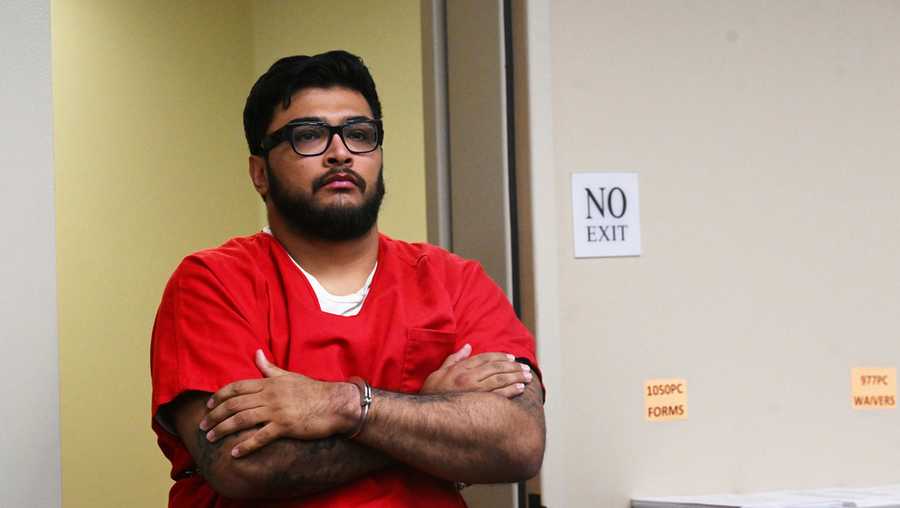
According to the video, Jake’s guilty plea came unexpectedly. There was reportedly no pre-arranged plea agreement with prosecutors, and even the District Attorney appeared to be caught off guard when Jake entered the plea directly before the court.
For a case surrounded by speculation and uncertainty, the admission represents an extraordinary development.
A father has now admitted guilt to murdering his own son.
Yet Emmanuel’s remains have still not been recovered.
And that fact changes everything about what should have been a moment of resolution.
The documentary’s narrator expresses frustration that, despite the murder plea, there has reportedly been no publicly known search effort capable of bringing Emmanuel home.
If Jake has admitted responsibility, then what does he know about the location of his son?
Has he provided investigators with information?
Could he still reveal where Emmanuel was taken?
And if he knows, why hasn’t Emmanuel been found?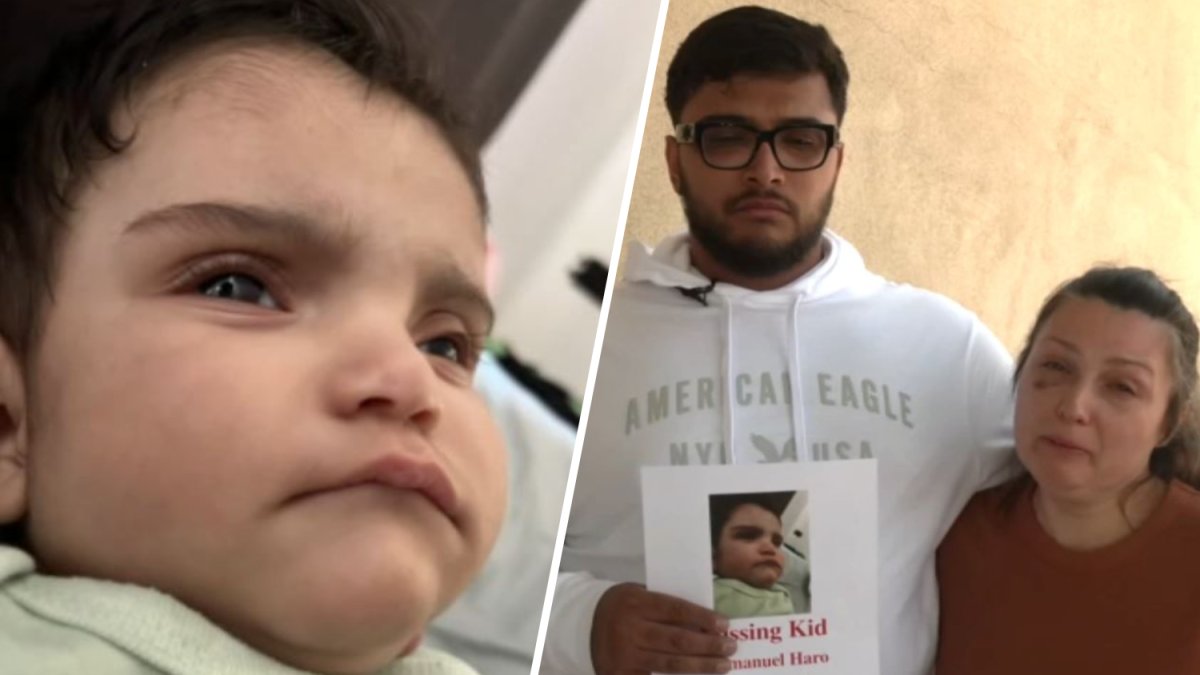
Meanwhile, Emmanuel’s mother, Rebecca Haro, has taken a very different legal position.
Rebecca pleaded not guilty and was reportedly visibly emotional in court as Jake admitted to second-degree murder.
That creates another major question for the case.
What exactly will Jake’s plea mean for the prosecution involving Rebecca?
A guilty plea from Jake establishes his own admission; it does not automatically establish another person’s criminal responsibility. Rebecca’s case must still be determined on its own evidence.
But the contrast is impossible to ignore.
Jake admits murder.
Rebecca maintains her innocence.
And Emmanuel remains missing.
The narrator also questions why the plea is for second-degree murder, expressing concern that Jake could ultimately receive a sentence the creator believes is too lenient given the circumstances.
But sentencing will depend on the applicable law and the court, not simply on public expectations surrounding the case.
For Emmanuel’s supporters, however, punishment is only part of the story.
They still want the child found.
A guilty plea can answer the legal question of what Jake is admitting he did.
It cannot provide a burial.
It cannot tell loved ones where Emmanuel is.
And it cannot explain every unanswered detail surrounding the child’s disappearance.
That is why this case is far from emotionally over.
What happened to Emmanuel?
Where were his remains taken?
Who knew what had happened and when?
And will Jake ultimately tell investigators everything he knows?
After all the theories, suspicious behavior, courtroom appearances, and conflicting accounts, the case has reached a moment few expected.
Jake Haro has pleaded guilty to murdering Emmanuel.
But the most heartbreaking piece of the mystery remains unresolved.
Emmanuel still hasn’t been brought home.
And until he is, one question will continue to overshadow Jake Haro’s stunning admission:
If Jake is finally willing to admit that he killed his son, why hasn’t he revealed where Emmanuel is?