Rodney Dangerfield made millions of people laugh by insisting that nobody respected him.
“I don’t get no respect.”
It became his trademark.
His identity.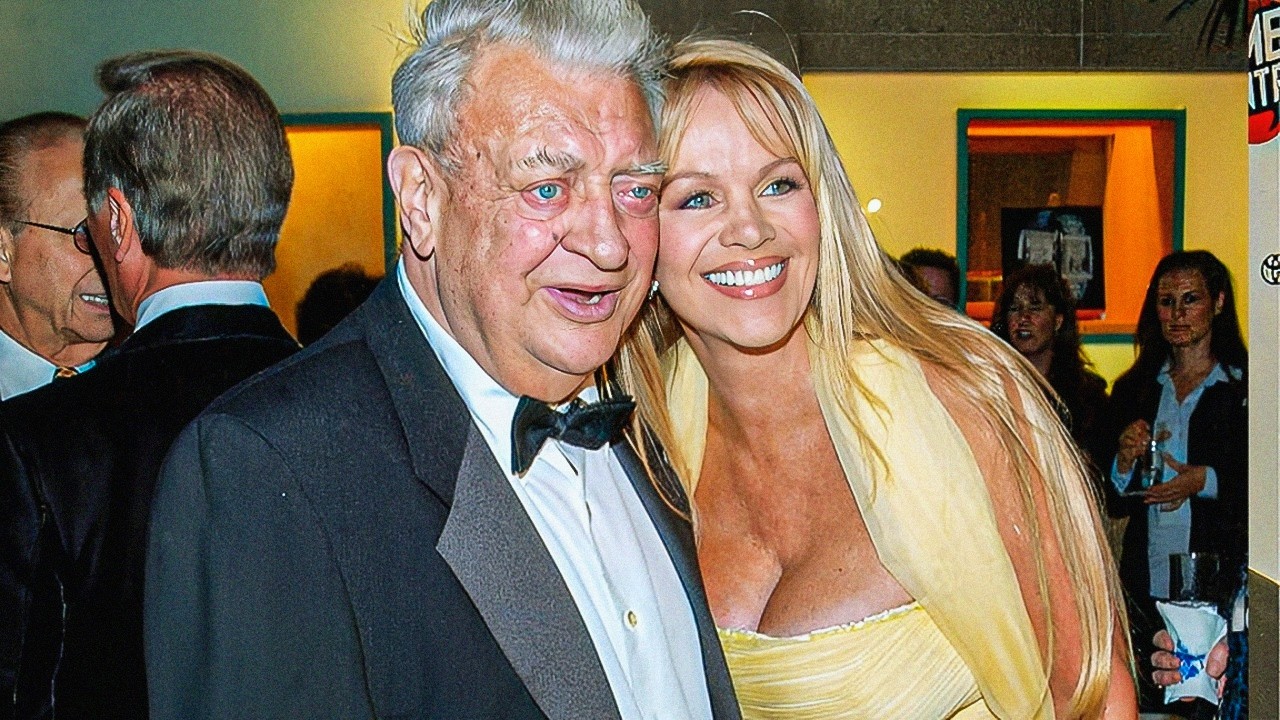
One of the most recognizable catchphrases in American comedy.
But behind the punchlines was something audiences rarely saw.
A lonely childhood.
An absent father.
A painfully difficult relationship with his mother.
Years of failure.
Depression.
Two divorces from the same woman.
And a body that eventually began collapsing after decades of punishing habits.
The comedian who turned rejection into laughter had spent much of his life experiencing the real thing.
Born Jacob Cohen in 1921, Dangerfield did not grow up surrounded by warmth or security.
His father was largely absent.
His mother was emotionally distant.
Money was scarce.
And as a Jewish child, he also encountered antisemitism.
Humor gradually became a way to survive.
Long before audiences laughed at his complaints about being unwanted and ignored, Dangerfield understood what those feelings actually meant.
Eventually, he tried turning that pain into a career.
But success did not come quickly.
In his twenties, he attempted to make a living in show business and struggled badly.
The dream seemed to be going nowhere.
 So he walked away.
For more than a decade, Dangerfield worked as a salesman while trying to support a family.
For many performers, that might have been the end.
For Rodney, it became an extraordinarily long intermission.
When he eventually returned to comedy, he reinvented himself.
Jacob Cohen disappeared.
Rodney Dangerfield emerged.
And with him came the persona that changed everything.
The suit.
The nervous movements.
The self-deprecating jokes.
And that unforgettable complaint about getting “no respect.”
Suddenly, decades of rejection had become material.
But Dangerfield was already approaching middle age before America truly began noticing him.
His breakthrough proved that a career could begin when most people would have assumed the opportunity had passed.
Then he did something even more important.
He created opportunities for other comedians.
In 1969, Dangerfield opened his New York comedy club, Dangerfield’s.
It became an important stage for rising performers, including future stars such as Jerry Seinfeld and Jim Carrey.
The man who had struggled for years to find somewhere he belonged was now giving younger comedians a place to be discovered.
His career continued expanding.
Film appearances brought him to new audiences.
And then came one of the strangest successes of his career.
Rappin’ Rodney.
Dangerfield combined his comedy persona with rap and unexpectedly created a novelty hit, once again proving that he was willing to reinvent himself.
But professional success did not erase the darkness underneath.
Dangerfield struggled with clinical depression.
The man who could command a room full of laughter could experience a very different reality once the performance ended.
He also relied on self-medication during parts of his life.
His personal relationships could be equally turbulent.
His first marriage to Joyce Indig was especially complicated.
They married, divorced, remarried—and eventually divorced again.
It was a relationship marked by repeated attempts to make something work that ultimately could not survive.
Later, another woman entered his life.
Joan Child, later known as Joan Dangerfield.
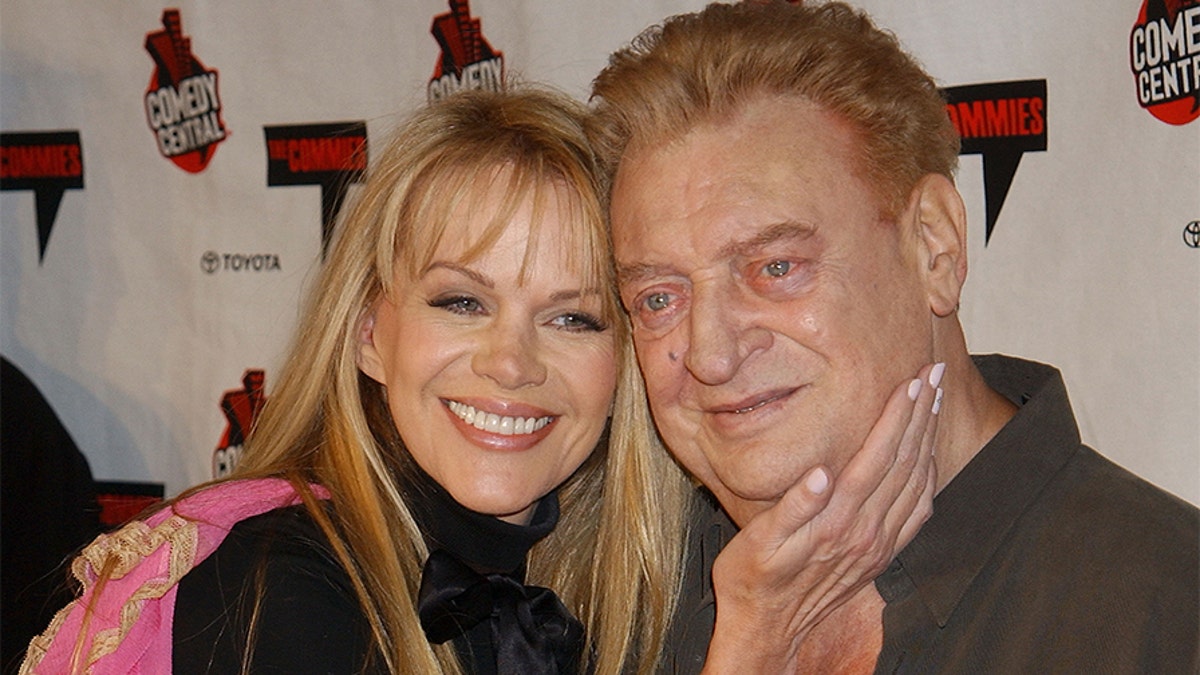 They married in 1993.
By then, Rodney was no longer the struggling comedian begging for a chance.
He was famous.
But he was also aging, and years of unhealthy habits were beginning to demand a price.
Heavy smoking had followed him through much of his life.
His diet did little to help.
And eventually, his health deteriorated dramatically.
In 2003, Dangerfield suffered a heart attack while performing.
Even that sounded almost like the setup to one of his jokes.
But there was nothing funny about what followed.
His medical problems became increasingly serious.
He underwent brain surgery.
Then came heart surgery.
Complications followed.
The man who had survived poverty, rejection, career failure, depression, and decades of uncertainty was now facing a battle his humor could not control.
In 2004, Rodney Dangerfield died at the age of 82.
Joan was there during his final chapter.
And his death brought an extraordinary life full circle.
The child who felt unwanted had become loved by millions.
The failed comedian who once abandoned show business became one of the most recognizable comics in America.
The man who complained endlessly about receiving no respect ultimately became a comedy legend.
That is what makes Rodney Dangerfield’s story so bittersweet.
His comedy sounded exaggerated because that was what made it funny.
But underneath it were emotions that were painfully real.
Rejection.
Loneliness.
Insecurity.
The fear of failure.
He took those wounds and turned them into jokes.
Night after night.
Year after year.
Audiences laughed because Rodney made pain look effortless.
But it never truly was.
Behind “I don’t get no respect” was a man who had spent much of his life searching for exactly that.
Respect.
Acceptance.
And perhaps most importantly, a place where he finally felt wanted.
Rodney Dangerfield eventually found the admiration that had escaped him for so long.
Unfortunately, much of it arrived only after he had already spent decades learning how to laugh at the pain.