A 48,000-year-old Neanderthal found in El Sidrón cave in northern Spain was found to have traces of poplar bark and a natural antibiotic mold in his dental plaque. In 2017, researcher Laura Weyrich of the University of Adelaide led a team that used DNA sequencing on the calcified tartar of the individual, who suffered from a severe dental abscess. The poplar bark contains salicylic acid, the active ingredient in aspirin, while the Penicillium mold is a natural antibiotic. The discovery suggests the Neanderthal was deliberately selecting materials to treat pain and infection, indicating a working knowledge of pharmacology tens of thousands of years before modern medicine.
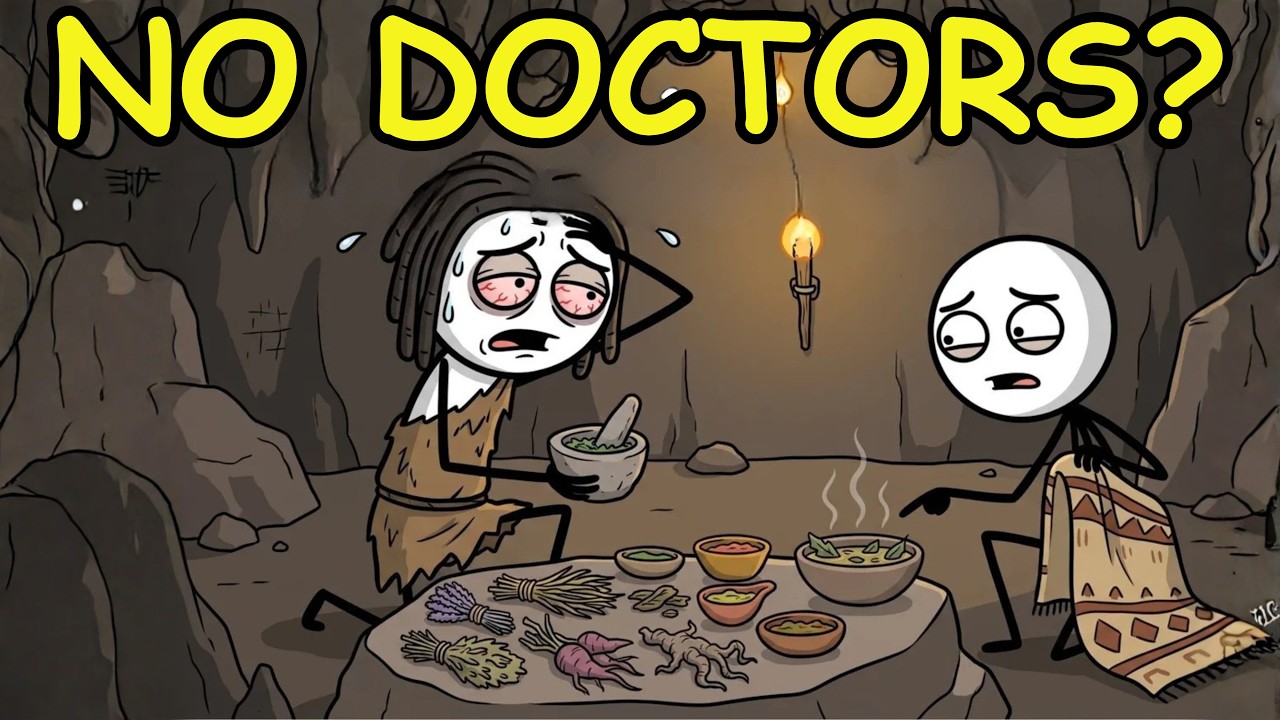
Scientists point to observations of sick animals eating plants they normally avoid, a behavior called zoopharmacognosy, as one likely source of such botanical knowledge. The people of the Paleolithic lived in direct contact with their environment and would have noticed the effects of specific plants on themselves and on the animals around them. This accumulated knowledge was shared and refined across generations, turning the natural world into a functioning medicine cabinet. Evidence from Shanidar Cave in Iraq further supports the idea of deliberate medicinal plant use.
In the 1950s, archaeologist Ralph Solecki found the remains of several Neanderthals, one of whom appeared to have been buried on a bed of flowers. The specific plants found in the soil, including yarrow, cornflower, and marshmallow, all have documented medicinal properties such as anti-inflammatory and diuretic effects. While some critics have argued the pollen might have been carried there by rodents, the concentration of healing plants suggests a community that cared for its sick rather than abandoning them. A 2022 discovery in Liang Bua cave in Borneo challenges assumptions about ancient surgery.
Archaeologists found the skeleton of a young adult who lived 31,000 years ago and was missing their lower left leg. The bone showed clear signs of a clean, intentional surgical cut, not a predator bite or a fall. The individual survived for another 6 to 9 years after the procedure, which would have required knowledge of how to stop bleeding, manage pain, and prevent infection in a tropical environment. The person would also have needed a support system of people to carry, feed, and care for them during recovery.
Trepanation, the practice of drilling or cutting a hole into the skull, has been found across the world, from Peru to Russia, dating back as far as 7,000 BC. Studies of Incan trepanation show survival rates as high as 80%. The procedure was likely used to treat pressure on the brain from blows to the head, such as subdural hematomas. The surgeons knew where to cut to avoid major blood vessels and used obsidian blades, which are sharper than modern surgical steel.
The patients were likely given herbal sedatives or fermented drinks to keep them still during the operation. Ancient humans also practiced preventative medicine. Hunter-gatherers avoided the crowd diseases like smallpox and flu by not living in permanent settlements. Their diverse diets gave them a gut microbiome that kept them metabolically flexible, and their skeletons show little evidence of heart disease or type 2 diabetes.
The transition to farming around 10,000 years ago changed this, bringing tuberculosis, malaria, and the plague as people began living in close quarters with animals and each other. In response, early civilizations developed public health measures. Ruins in the Indus Valley dating to 2500 BC show sophisticated drainage and sewage systems. People used copper vessels for water storage, unknowingly taking advantage of copper’s antimicrobial properties.
They understood that contaminated water carried sickness even without knowledge of bacteria. Evidence of social care extends back much further. At the Dmanisi site in the Republic of Georgia, archaeologists found a skull from 1. 8 million years ago belonging to an early human relative who had lost all but one tooth long before death.
This person could not have chewed tough tubers or raw meat, meaning others must have pre-chewed food or prepared soft meals for them. This is the earliest known evidence of nursing in the human record. The archaeological record indicates that the groups that survived were those that cared for their sick. Keeping elders alive preserved collective knowledge about water sources, animal migration patterns, and medicinal plants.
This social cooperation was itself a form of medicine that gave prehistoric communities a competitive advantage. The survival of ancient humans was built on botanical expertise, surgical skill, and social cohesion rather than simple physical strength. The knowledge that kept ancient humans alive is still operating in modern bodies. The DNA that allowed them to survive ancient infections is the same DNA that fights off illness today.
When a modern person takes aspirin, they are using a refined version of the same salicylic acid that a Neanderthal obtained from chewing poplar bark 50,000 years ago. The difference is that modern treatment focuses narrowly on symptoms, while ancient practice treated the person as part of a larger ecosystem.