On that fateful day in 2014, the Formula 1 world was rocked by tragedy when young driver Jules Bianchi suffered a catastrophic accident during the Japanese Grand Prix. The incident, which resulted in his eventual death, highlighted serious safety flaws in the sport, prompting urgent reforms to prevent future tragedies.

The events leading to this disaster unfolded amid a tumultuous season marked by significant regulatory changes. Formula 1 had transitioned from roaring V8 engines to quieter turbocharged V6 hybrids, aiming to promote sustainability and efficiency. This shift was met with mixed reactions from fans and drivers alike, creating tension in the sport.
As the race commenced under treacherous conditions, heavy rain and poor visibility plagued the Suzuka circuit. Despite warnings, the race was allowed to start, showcasing a concerning disregard for driver safety. The decision to proceed was controversial, as the FIA had previously suggested delaying the race due to inclement weather.

The chaos escalated when Adrian Sutil crashed, prompting race officials to deploy a recovery crane while the race continued. This decision would prove fatal, as Bianchi lost control of his car at high speed, colliding with the crane. The impact inflicted severe injuries, leading to a prolonged battle for his life.
In the aftermath, Bianchi was transported to a hospital, where he remained in critical condition. The motorsport community held its breath, hoping for a miracle, but tragedy struck when he succumbed to his injuries in July 2015. The loss of Bianchi shocked the world, as he was not only a promising talent but also a beloved figure in the paddock.
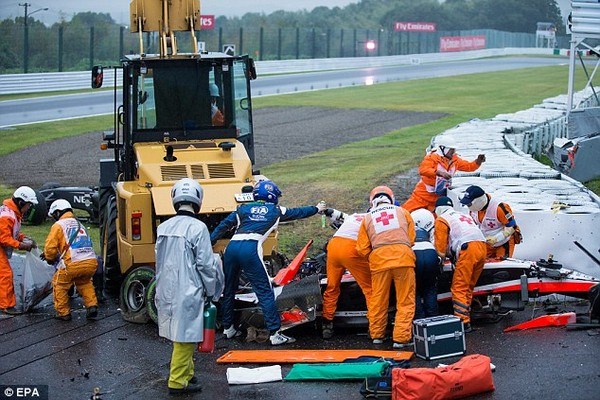
Bianchi’s death served as a grim catalyst for change in Formula 1. The FIA quickly instituted new safety protocols, including the introduction of the virtual safety car and strict regulations against using cranes on active tracks. These measures aimed to enhance driver safety and prevent similar incidents from occurring in the future.

The investigation into the accident revealed a combination of factors contributing to the crash, including the hazardous track conditions and the decision to use a recovery crane. Bianchi’s family later pursued legal action against the FIA and the Marussia team, seeking accountability for the tragic loss of their son.
While the legal proceedings may not have yielded substantial results, Bianchi’s legacy lives on. His story serves as a poignant reminder of the importance of safety in motorsport. The changes implemented in his honor have undoubtedly saved lives and reshaped the sport for the better.
As Formula 1 continues to evolve, the memory of Jules Bianchi remains a solemn reminder of the risks drivers face on the track. His spirit inspires ongoing efforts to enhance safety protocols, ensuring that no driver will have to endure the same fate. The tragedy of that fateful day in 2014 has left an indelible mark on the sport, pushing it toward a safer future.