Jmenuji se Lydia Stone a tvrdě jsem se naučila, že mír někdy zní jako past. Stalo se to v páteční večer, který vypadal dokonale, až příliš dokonale. Vzduch voněl rozmarýnem a pečeným česnekem, jazz se nesl domem tiše a sametově jako tajemství. Můj manžel Richard právě podepsal to, co nazýval svou poslední horou, logistickou smlouvu za osm milionů dolarů, která měla dotvořit jeho pětadvacetimilionové jmění.
Vybudoval si všechno z ničeho. Byli jsme manželé třicet let a za tu dobu jsem ho viděla bojovat s trhy, bankroty i zradami v zasedacích místnostech. Ale toho večera měl v očích něco jiného. Tiché uvolnění.
Seděl naproti mně s rozvázanou kravatou a rukávy vyhrnutými k loktům. Jantarové světlo lustru zjemňovalo vrásky kolem jeho úst. Poprvé za dlouhou dobu nezazvonil telefon, nepadla zmínka o zásilkách ani účtech. Byli jsme jen my dva v šumu saxofonu.
Když přišel dezert, jednoduchý citronový koláč, který měl vždycky rád, naklonil se v židli dozadu a usmál se na mě tím pomalým, záměrným způsobem, jakým se usmíval, když měl mysl o tři kroky napřed. „Lydie,“ řekl tiše. „Potřebuji, abys pro mě něco udělala. “
Zvedla jsem hlavu.
„Cokoli. “
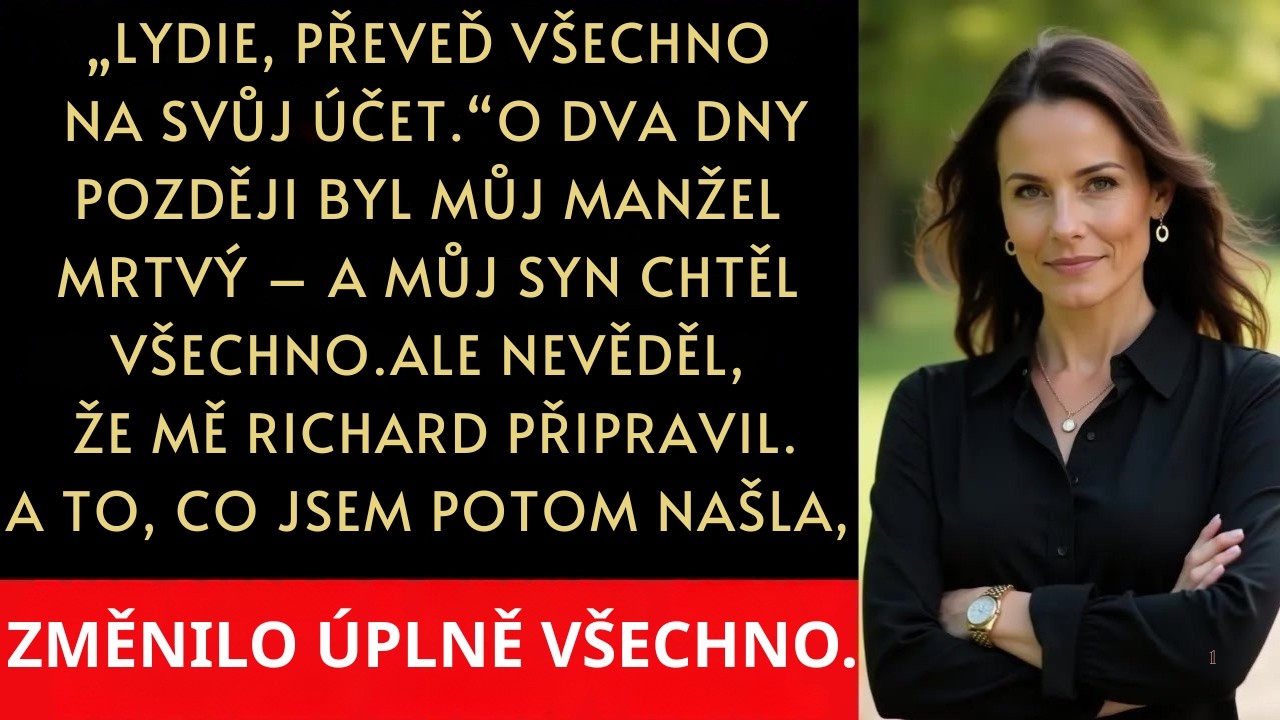
„Převeď všechno na svůj účet. “
„Všechno? “ Zasmála jsem se.
Myslela jsem, že si dělá legraci. „Myslíš ten společný účet? “
Zavrtěl hlavou. Pořád se usmíval, ale jeho tón zůstal klidný.
„Ne. Všechno. Domy, investice, hotovostní rezervu firmy. Jen tak pro jistotu.
“
Způsob, jakým to řekl, měkce a odměřeně, mi vzal dech. „Richardu, zníš jako jeden z těch katastrofických plánovačů. Co se děje? “
Natáhl přes stůl ruku a jeho dlaň byla teplá.
„Není to panika, miláčku. Je to ochrana. Některé věci se ve firmě mění. Ještě ti to nechci vysvětlovat, dokud si nebudu jistý.
Jsi jediná osoba, které věřím, že to udrží stabilní, kdyby se něco stalo. “
To slovo viselo mezi námi déle než ostatní. Od té mírné mrtvice před pěti lety byl Richard vždycky opatrný. Nechtěla jsem tomu přikládat váhu.
Usmála jsem se, i když trochu nuceně. „Dobře, vyřídím to zítra ráno. Ale jen proto, že ses tak pěkně ptal. “
Zasmál se, lehce a povědomě.
„Dobře. A teď už ten večer nebudeme mluvit o práci. Slibuješ? “
Přikývla jsem.
„Slibuji. “
Došli jsme do kuchyně bosí a nechali jsme talíře, ať počkají. Dlaždice byly pod nohama chladné, jeho ruka hřála na mých zádech. Tančili jsme pomalu, smáli se, když mi šlápl na prsty.
Všechny ty roky v tu chvíli odpadly. Byli jsme zase jen dva lidé, kteří kdysi postavili sen z ničeho. Později, když jsem myla nádobí, jsem ho viděla, jak mě sleduje. Oči měl měkké, téměř vzpomínkové.
„Co? “ zeptala jsem se s úsměvem. Pokrčil rameny. „Nic.
Vždycky jsi byla ta bezpečná. “
Tehdy jsem si myslela, že tím myslí opatrná. Nevěděla jsem, že myslí ochránkyně. Kdybych to věděla, možná bych tančila déle.
Následující ráno bylo obyčejné, až příliš klidné. Slunce pronikalo okny kuchyně a odráželo se od mramorového pultu, kde ještě stály dvě poloprázdné sklenice od vína z předchozího večera. Richard odešel brzy. Políbil mě na čelo, než si vzal klíče.
„Nezapomeň si dnes odpočinout,“ řekl tím jemným autoritativním tónem, kterým jsem ho kdysi škádlila. „Mluvíš, jako bys fakt přijel domů před soumrakem. “
Usmál se. „Tentokrát ano.
“
Nepřijel. Do poledne jsem dokončila převody. Každý dokument, každý digitální podpis, každé potvrzení odeslané do banky. Bylo to zvláštně odosobněné, jako bych posouvala dílky skládačky ve hře, které jsem úplně nerozuměla.
Když bylo hotovo, poslala jsem Richardovi fotku potvrzení s malým srdíčkem. Odpověděl palcem nahoru a napsal: „Perfektní. Uvidíme se večer. “
To byla poslední normální věta, kterou mi kdy řekl.
Nedělní večer přišel s tichým, znepokojivým klidem. Připravila jsem stůl pro dva ze zvyku. Zapálila jsem svíčku, kterou měl rád, tu, co voněla cedrem a tabákem. V osm bylo jídlo studené.
Vyfotila jsem jeho prázdný talíř a napsala: „Jím tvůj podíl. “ O pár minut později odpověděl, že je pořád v kanceláři: „Ušetři mi kus koláče. “ Usmála jsem se na obrazovku. Nevěděla jsem, že ten řádek budu číst znovu a znovu jako modlitbu.
Když telefon zazvonil v 21:17, čekala jsem, že to bude on. Místo toho se ozval tichý hlas: „Paní Stoneová, tady okresní nemocnice. Váš manžel byl přivezen. Měla byste rychle přijít.
“
Slova nejdřív nezapadla. Šálek kávy mi sklouzl z ruky a rozbil se o dlaždice. Je zvláštní, jak může mír zmizet během jediné věty. Jízda se rozmazala do deště, červených světel a polovičních modliteb.
Nepamatuju si zácpy ani zatáčky, jen zvuk vlastního dechu, mělký a nerovnoměrný. Někde mezi mým domem a vchodem do nemocnice jsem přestala být manželkou čekající na večeři a stala se ženou čekající na pravdu. Nemocnice mají zvláštní ticho, napůl zármutek, napůl rutina. Když jsem prošla skleněnými dveřmi, všechno vonělo antiseptikem a deštěm.
U příjmu mě čekala sestra. „Paní Stoneová? “ Přikývla jsem, sotva jsem našla hlas. Vedla mě dlouhou chodbou, která slabě bzučela pod zářivkami.
Moje boty skřípaly při každém kroku. Když jsme dorazily k zástěně, zastavila se. „Doktor vám všechno vysvětlí. “
Uvnitř se svět zastavil.
Richard ležel nehybně, bledý proti prostěradlům. Monitory mlčely. Žádné rytmické pípání, žádná tepová křivka. Jen ticho.
Hlas lékaře se prodral skrz, klidný, ale vzdálený. „Váš manžel utrpěl srdeční zástavu v kanceláři. Záchranáři s ním pracovali přes dvacet minut. Udělali jsme, co jsme mohli.
“ Ta slova znějí vždycky stejně. Konečně. Seděla jsem vedle něj. Ruka se mi třásla, když jsem se dotkla jeho.
Byla studená, příliš studená. „Jsem tady,“ zašeptala jsem. „Můžeš si odpočinout. “
Nevím, jak dlouho jsem tam seděla, než se sestra vrátila.
Váhavě pohlédla k zemi. „Pro případ, že byste to chtěla vědět, paní Stoneová, váš manžel nebyl sám, když zkolaboval. Někdo tam už byl. “ Srdce mi zakolísalo.
„Kdo? “ Vypadala nejistě. „Myslím, že to byl váš syn. Brandon.
Ostraha řekla, že zavolal pomoc dřív, než přijeli záchranáři. “ Brandon. Mé jediné dítě. Přikývla jsem bez přemýšlení.
Nevěděla jsem, co říct. Sestra tiše odešla. Za pár minut jsem zaslechla otevření výtahu na konci chodby. Když jsem se otočila, stál tam Brandon se Sofií po boku.
„Ach, díky bohu,“ vydechla jsem úlevou. Ale nepřišel ke mně. Jeho výraz byl prázdný, nacvičený. „Mami,“ řekl klidně, „musíme si promluvit o tátových účtech.
“ Na okamžik jsem nedokázala zpracovat ta slova. „Cože? “ „Náš právník je tady. Jen musíme zajistit, aby všechno proběhlo správně.
“ Za ním vstoupil muž v námořnickém obleku s aktovkou. Zdvořile pokývl. Vzduch ztuhl. Tělo mého muže bylo sotva studené a můj syn už mluvil o penězích.
Pohřeb přišel příliš rychle, obalený lesklým soucitem. Bílé květiny, tmavé obleky, zdvořilé šeptání. Lidé říkali, jak je Brandon pro matku silný. Neviděli, jak se vyhýbá mým očím.
Stál vedle Sofie a přijímal kondolence jako na firemní akci. Ne u hrobu. Já neplakala. Mé slzy se změnily v zmatek.
Před dvěma dny jsme se s Richardem smáli u večeře. Teď ležel v mahagonové rakvi, která ladila s jeho starým kancelářským stolem. Vítr byl ostrý, nezvykle studený na jaro. Pořád jsem si říkala, že by se mu takové počasí nelíbilo.
Po obřadu jsem vyšla na verandu. Zvuk větru mezi stromy působil upřímněji než hlasy uvnitř. Tehdy jsem zaslechla dva hosty šeptat poblíž. „Zase se ten večer hádali.
“ „O vlastnictví. Chtěl převzít kontrolu, ale pan Stone řekl ne. “ Slova prořízla chlad jako čepel. Mluvili o Brandonovi.
Později, když většina hostů odešla, jsem seděla u krbu a zírala do dohasínajících plamenů. Hospodyně přivedla návštěvu, pana Lella, Richardova osobního právníka. Klobouk měl vlhký od deště. „Paní Stoneová,“ řekl tiše, „omlouvám se za vyrušení.
Máte chvilku? “ Vedla jsem ho do Richardovy pracovny. Místnost ještě pořád voněla po něm, cedr, kůže, lehká kolínská. Jeho brýle na čtení ležely přesně tam, kde je nechal.
Pan Lell položil na stůl koženou složku. „Váš manžel mi svěřil mnoho věcí, ale nejvíc věřil vám. Požádal mě, abych vám to předal v případě jeho úmrtí. “ Podal mi zapečetěnou obálku.
Na přední straně stálo jeho známým rukopisem: „Pro Lydii, jen pokud budu pryč. “
Prst se mi třásl, když jsem ji otevírala. Uvnitř byla jedna stránka psaná jeho klidnou, rozvážnou rukou. „Lydie, jestli to čteš, přišla ta doba, které jsem se bál.
Viděl jsem příliš mnoho a řekl málo. Chraň to, co jsme vybudovali. Nedovol, aby přepsali knihy. Vždycky jsi byla ta bezpečná.
“ Četla jsem tu poznámku dvakrát, pak potřetí. Každé slovo mělo stejnou váhu jako jeho hlas toho večera. „Jen tak pro jistotu. “ Teď jsem to chápala.
Nebyl paranoidní. Připravoval mě. Následující pondělí jsem šla s panem Lellem do sídla firmy. Skleněná budova se tyčila proti obzoru města, osm pater Richardovy ambice.
Recepční v hale mě poznala, ale vyhnula se očnímu kontaktu. Všichni tak dělali. Zármutek dělá lidi zdvořilé zvláštním způsobem. Pan Lell zařídil přístup do Richardovy kanceláře pod záminkou sbírání osobních věcí.
Když jsme došli ke dveřím, na kterých stále stálo Richard Stone, zakladatel, výkonný ředitel, zaváhala jsem. Můj odraz vypadal jako cizí člověk s očima přitisknutýma k ústům. Uvnitř bylo všechno zamrzlé v čase. Pero leželo vedle rozpité sklenice vody.
Bunda visela úhledně přes opěradlo židle. Slabá vůně jeho kolínské pořád přetrvávala. Ale klid v té místnosti mi přišel jiný, příliš kontrolovaný, příliš předstíraný. Ve dveřích se objevil uklízeč, laskavý starší muž jménem Rafael.
Pracoval tam přes deset let. Richard ho často nazýval srdcem budovy. „Nečekal jsem, že vás tu potkám, paní Stoneová,“ řekl tiše. „Potřebovala jsem to.
“ Přikývl. „Byl jste tady v noci, kdy…“ Zarazila jsem se. Pomalu přikývl. „Ano, paní.
Čistil jsem u výtahů kolem půl deváté. Slyšel jsem hlasy. Pan Stone a pan Brandon. Hádali se.
“ Srdce mi zrychlilo. „Jste si jistý, že to byl můj syn? “ Znovu přikývl. „Řekl něco ve smyslu: ‚Ještě mi nevěříš.
‘ Potom se rozbil nějaký předmět. O pár minut později pan Brandon rychle vyšel a běžel k výtahům. Myslel jsem, že pan Stone potřebuje prostor. “ Jeho hlas dozněl.
Pan Lell se přiblížil. „Byli tam té noci jiní návštěvníci? “ Rafael chvíli přemýšlel. „Ano.
Paní Sofie přišla dřív, kolem půl osmé. Řekla, že tchánovi doveze večeři. Nezůstala dlouho. “ Pan Lell si se mnou vyměnil pohled.
„Pamatujete si přesně časy? “ „Ano,“ řekl Rafael. „Kamery by to potvrdily. “
O pár minut nás vedl do bezpečnostní kanceláře.
Digitální záznam potvrdil všechno. Sofie Stoneová v 19:31, odchod 19:42. Brandon Stone v 20:18, odchod 20:33, pak znovu v 20:47. Žádný zaznamenaný odchod.
Dívala jsem se na obrazovku. Ta čísla byla těžší než jakákoli slova. Richardova poslední hodina byla zredukována na časové značky a žádná z nich nezahrnovala mě. O dva dny později jsem se s panem Lellem setkala na okresní klinice, abychom si prošli Richardovu zdravotní dokumentaci.
Nemocnice vedou všechno v přehledných sloupcích, data, dávky, časy, jako by pořádek mohl zakrýt vinu. Seděli jsme v malé poradenské místnosti a čekali na kardiologickou sestru, která měla Richardovu péči na starosti. Jmenovala se Nancy Harperová. Když vstoupila, vypadala vyčerpaně, jako by přišla z víc než jen nočních směn.
Pan Lell ji přivítal jemně. „Děkujeme, že jste přišla, slečno Harperová. Máme pár otázek ohledně panovy léčby před jeho odchodem. “ Nancy přikývla a prsty svírala popruh kabelky.
„Samozřejmě. “ Posunula přes stůl kopii tabulky dávek. Pan Lell se podíval. „Všimli jsme si revize.
Stejný záznam byl duplikovaný, ale časově označený o dvě hodiny později. Můžete nám říct proč? “ Její oči přelétly stránku a zase uhly. „Byla to oprava.
Uvědomila jsem si, že jsem zadala špatnou dávku, tak jsem ji opravila. “ „Který záznam byl špatný? “ zeptal se klidně. „První, nebo druhý?
“ Zaváhala. „První. “ Naklonil se dopředu. „A proč opravu nepodepsal i ošetřující lékař?
“ Ticho se protahovalo. Nakonec zašeptala: „Protože mi nikdo neřekl, že mám. “ „Kdo? “ Nancy polkla.
„Paní Sofie Stoneová. Zavolala mi ten večer. Řekla, že pan Stone se cítí závratě, neklidně. Požádala mě, abych kartu vzdáleně zkontrolovala a opravila nesrovnalosti dřív, než si jich všimne lékař.
Řekla, že nechce, aby se kvůli další chybné dávce cítil trapně. “
Žaludek se mi sevřel. „Požádala vás, abyste změnila zdravotní záznam. “ Nancyiny oči se naplnily panikou.
„Připadalo mi to neškodné. Řekla, že mi pomáhá. Myslela jsem, že je to rodina. “ Pan Lell otevřel další složku.
„A tahle platba,“ řekl klidně, „čtyřicet tisíc dolarů od poradenské firmy, tři dny před revizí. Vypadá povědomě? “ Zbledla. „Já… já jsem nevěděla, že je od nich.
Přišlo to přes třetí stranu. Myslela jsem, že je to bonus. “ Pan Lellův tón zůstal klidný, ale slova byla ostrá. „Chápete vážnost změny poznámky o dávkování u pacienta se srdcem, který zemřel o 48 hodin později?
“ Nancy se rozplakala. „Nechtěla jsem nikomu ublížit. “ Podívala jsem se na ni. „Neublížila jste jen někomu.
Pomohla jste ho vymazat. “
Místnost ztichla. Pan Lell sbalil papíry. „Začínáme znovu otevírat případ.
Příčina smrti nezůstane. Srdeční zástava bude vedena jako neurčená. “
O týden později soudní síň voněla papírem. Ještě to nebylo trestní řízení, jen civilní návrh.
Brandon žádal o zastavení dědictví, dokud se nevyřeší otázky ohledně úmyslu. Pro soud to byla procedura. Pro mě zrada. Seděla jsem vedle pana Lella s rukama složenýma, aby se netřásly.
Naproti přes uličku si Brandon upravoval kravatu. Tvář měl klidnou, téměř odtažitou. Sofie seděla vedle něj, dokonalé držení těla, oči upřené na stůl. Vypadali jako mocný pár na obchodní schůzce, ne jako lidé na jednání o smrti muže.
Když soudce vyvolal případ, povstal Brandonův právník. „Vaše ctihodnosti, tento případ není o smutku. Je o správě věcí. Převod pětadvaceti milionů dolarů z majetku pana Richarda Stonea na osobní účet paní Stoneové proběhl méně než 48 hodin před jeho smrtí.
Zpochybňujeme, zda byl pan Stone při provádění převodu duševně způsobilý a jednal z vlastní vůle. “ Pan Lell vstal, klidný jako stojatá voda. „Vaše ctihodnosti, manžel mé klientky tyto převody schválil dobrovolně, zdokumentoval je a nechal notářsky ověřit. Každé časové razítko odpovídá jeho místu a jeho podpisu.
Banka potvrdila shodu. Neexistují žádné důkazy nátlaku, pouze opatrnosti. “ Protivníkův právník se lehce usmál. „Přesto nemáme svědky.
Žádné lékařské potvrzení, žádný souhlas představenstva. Neobvyklé, nemyslíte? “ Pan Lell nemrkl. „Neobvyklé neznamená nezákonné.
Pan Stone chránil svá aktiva před interním zneužitím. “ Soudce se naklonil dopředu. „Naznačujete, že zesnulý měl důvod se obávat špatného hospodaření? “ „Naznačuji, že měl pravdu,“ řekl klidně pan Lell.
„Protože do dvanácti hodin po jeho smrti podal jeho syn žádost o převzetí kontroly nad těmi samými účty. “
Soudní síní se rozlil tichý šum. Brandonovi cukl koutek. Sofie se zavrtěla na židli.
Když přišla moje řada, pomalu jsem vstala. „Vaše ctihodnosti,“ řekla jsem, hlas držela klidný. „Můj manžel tyto peníze nepřesunul, aby je ovládal. Přesunul je, aby je ochránil.
Objevil nesrovnalosti v účetních knihách společnosti. Důvěřoval mi, že to, co jsme vybudovali, udržím v bezpečí. “ Sofiiny prsty se mírně třásly u kabelky. Právě když soudce začínal odročovat přestávku, zazvonil panu Lellovi telefon.
Podíval se dolů a pak na mě. „Výsledky laboratorních testů jsou tady. “ Zašeptal. Pravda konečně dorazila.
A byla smrtelná. Toxikologická zpráva změnila všechno. Richardova krev obsahovala stopy derivátu chloralhydrátu, staromódního sedativa. Téměř nepostřehnutelné v malých dávkách, ale smrtelné v kombinaci s léky na srdce.
Oficiální příčina smrti byla změněna z přirozené srdeční zástavy na neurčenou, což spustilo plné trestní vyšetřování. Detektivka Morenová, klidná žena s unavenýma očima, vedla případ. „Vzorce jsou jasné,“ řekla mi. „Platby, hovory, úpravy dávek.
Vše ukazuje na koordinovanou snahu. Potřebujeme jen výpověď, která spojí všechny body. “
Ta výpověď přišla rychleji, než kdokoli čekal. Sestra Nancy Harperová přiznala všechno jako první.
Telefonát, platbu, strach. Ve svém prohlášení řekla, že ji nekontaktovali jednou, ale dvakrát. Podruhé sám Brandon chtěl, aby si byla jistá, že změna vypadá rutinně. Když detektivové navštívili Sofii, už čekala s kufrem.
Neprotestovala, neplakala. Tiše řekla: „Řekl mi, že to bude rychlé. “
Když je zatkli, zprávy se šířily rychle. Místní právník a jeho žena obviněni z vraždy podnikatele.
Titulky mi svíraly žaludek. Necítila jsem vítězství, jen podivné, vyčerpané uvolnění. Brandon byl obviněn z podvodu, manipulace s důkazy a neúmyslného zabití. Sofie čelila obvinění z uplácení a maření spravedlnosti.
Při vynášení rozsudku se soudce zeptal, jestli mám co říct. Postavila jsem se. „Můj manžel věřil v budování věcí, které vydrží. Důvěru, práci, rodinu.
To, co se stalo, nebylo jen o penězích. Bylo to o zničení toho, za čím stál. Jsem tady, protože mě připravil na to, abych stála, když se všechno ostatní rozpadne. “ Soudce pomalu přikývl.
Brandon dostal osmnáct let. Sofie patnáct. Po verdiktu jsem se vrátila domů do ticha. Do stejného domu, kde jsme tančili v kuchyni, kde u okna pořád rostl rozmarýn.
Seděla jsem u jídelního stolu a večerní světlo se zlatě třpytilo na skle. Poprvé od Richardovy smrti jsem necítila strach. Jen ticho. Jen klid.
Spravedlnost, jak se ukázalo, ne vždycky křičí. Někdy šeptá stěnami prázdného domu. Uplynuly týdny a dům se pomalu začal znovu cítit živý. Začala jsem ráno roztahovat závěsy a pouštět sluneční světlo na dřevěné podlahy.
Ticho, které mi dřív tlačilo na hrudník, teď působilo měkčeji, jako přítel, který rozumí. Richardovu pracovnu jsem nechala tak, jak ji zanechal. Knihy. Bunda na židli.
Skleněné těžítko, které koupil v Londýně. Občas jsem tam seděla s šálkem čaje a četla jeho staré poznámky. Už nebyly o byznysu. Byly o rovnováze, odkazu a druhu klidu, který se nedá koupit.
Jednoho odpoledne jsem v zásuvce stolu našla hodinky, které nosíval. Na zadní straně bylo vyryto: „Pro Lydii, mé bezpečné místo. “ Usmála jsem se přes slzy. Po všech lžích, po soudní síni, po zradě.
Jeho slova mě pořád nesla domů. Lidé se často ptají, jak jsem to přežila. Pravda je, že jsem nepřežila proto, že jsem byla statečná. Přežila jsem, protože jsem poslouchala.
Richard mě varoval tím nejlepším způsobem, jakým uměl, a já jsem konečně pochopila, co myslel tím, když říkal bezpečná. Nebyly to peníze ani majetek. Byla to důvěra. Vědět, kdy stát pevně, i když se ti vlastní rodina snaží vytrhnout půdu pod nohama.
Naučila jsem se, že klid není absence konfliktu. Je to ticho, které následuje po spravedlnosti. A je tu ještě jedna pravda, kterou jsem si odnesla. Když musíte chránit to, co je vaše, nebo stát sami, když se ti nejbližší odvrátí, nejste slabí.
Jste jen probuzení. Spravedlnost někdy nekřičí. Dýchá v tichu a čeká na někoho odvážného, kdo ji uslyší.