Martina stála na prahu domu svých rodičů a první, čeho si všimla, byla vůně. Celý život to tu vonělo maminčinými koláči se zelím, dřevem a starou podlahou, která pod nohama vrzala už dobrých třicet let. Teď jí místo toho udeřil do nosu cizí parfém, pečené maso a vůně slavnostního jídla, jako by se v domě konala svatba, o které jí nikdo neřekl. Pak se podívala do pokoje a zůstala stát.
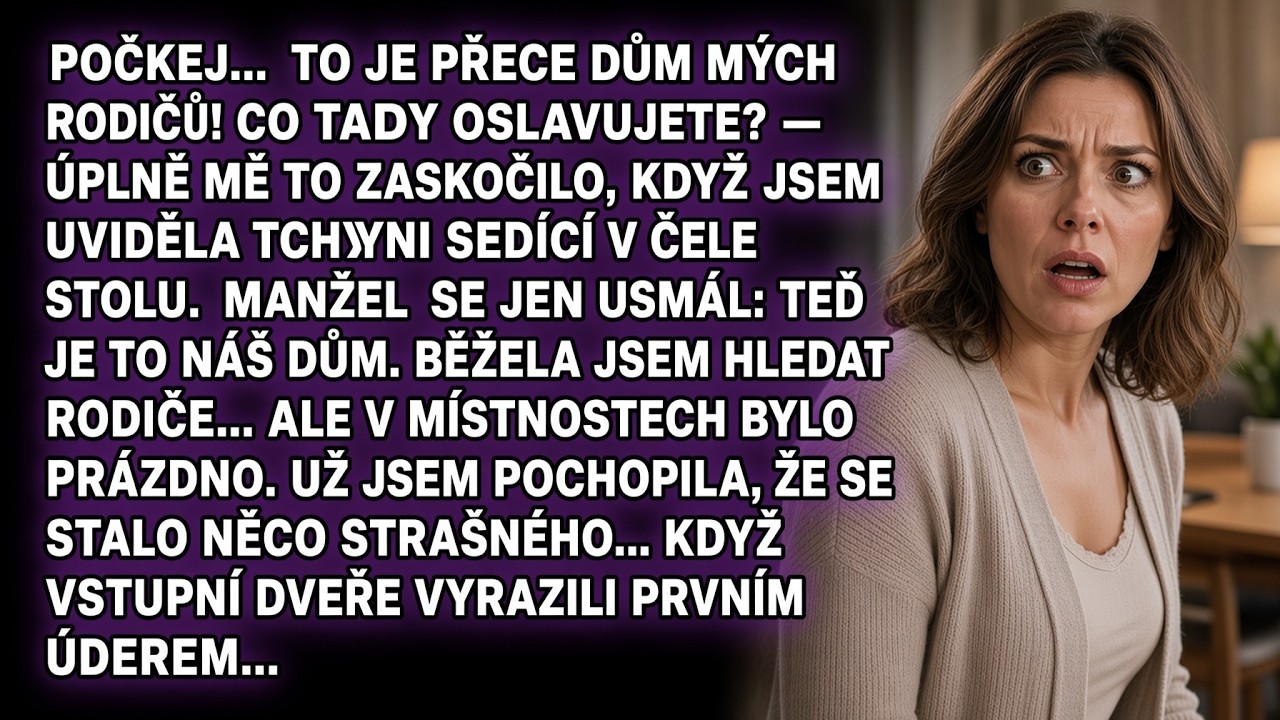
V čele stolu, přesně na místě, kde vždycky sedával její otec, seděla tchýně Tamara. Ondřej stál u okna se sklenkou v ruce. Když se na Martinu podíval, koutkem úst se ušklíbl. „Teď je to náš dům,“ řekl klidně.
Martina se bez dalšího slova rozběhla do ložnice rodičů. Pokoje vypadaly, jako by v nich Věra s Karlem nikdy nežily. Holé stěny, cizí nábytek, cizí pach. V tu chvíli se ze vchodu ozvala rána a do domu vstoupili lidé v uniformách.
Ten den ale nebyl začátkem. Všechno začalo mnohem dřív, v době, kdy ještě všechno vypadalo obyčejně a nikdo netušil, kam mohou drobné ústupky, uražená pýcha a přílišná důvěra dojít. Martině bylo šestadvacet, když se s Ondřejem seznámila na narozeninové oslavě kamarádky. Pracovala jako účetní v menší stavební firmě a bydlela s rodiči v jejich domě na okraji města.
Nebyl to žádný přepychový dům z časopisu. Byl pevný, poctivě postavený a jejich. Za války ho začal budovat Martinčin dědeček a Karel ho během dalších let téměř celý přestavěl. Za domem byl jabloňový sad a malá sauna, kterou otec každou sobotu vytápěl.
Martinini rodiče celý život pracovali v továrně. Patřili k lidem, kteří si raději dvakrát něco odřeknou, než aby někoho prosili o pomoc. Dům po desetiletí opravovali, rozšiřovali a dostavovali vlastníma rukama. Pro ně to nebyla nemovitost, jejíž cenu prověří realitní kancelář.
Bylo v něm kus jejich života. Ondřej na Martinu zpočátku působil jako spolehlivý a sebevědomý muž. Byl usměvavý, hovorný a uměl se dvořit. Přinášel květiny, zval ji do restaurací a vždycky našel správný kompliment.
Pracoval jako obchodní zástupce společnosti prodávající stavební materiál a často vyprávěl o budoucnosti. Brzy prý založí vlastní firmu, vydělá velké peníze a jednou vezme Martinu na cestu kolem světa. Martina, která vyrůstala ve skromné domácnosti, jeho plánů naslouchala s trochu nedůvěřivým obdivem. Po půl roce jí požádal o ruku.
Její rodiče tak bezvýhradné nadšení nesdíleli. Karel měl dobrý odhad na lidi a už při prvních návštěvách si všiml jedné věci. Ondřej hodně mluvil o penězích, ale podstatně méně o práci, která je má vydělat. Když se ho Karel zeptal, odkud vezme kapitál, odpovědi bývaly neurčité.
Dceři ale nic nezakazoval. Martina byla dospělá a Karel respektoval, že si svého muže musí vybrat sama. Svatbu uspořádali skromně. Novomanželé si pronajali byt v jiné části města, protože Ondřej žádné vlastní bydlení neměl.
Nastěhovat se k Martinčiným rodičům tehdy rázně odmítl. „Chlap má svou rodinu zabezpečit sám,“ prohlásil. Martině se právě tato věta líbila. První roky manželství probíhaly poměrně klidně.
Ondřej ovšem střídal zaměstnání. Z firmy se stavebninami odešel, protože chtěl rozjet vlastní podnikání. Po několika měsících jeho první podnik skončil. Potom si našel další místo a začínal znovu.
Martina zůstala účetní. Její plat nebyl mimořádný, ale chodil každý měsíc. V obdobích, kdy jeho další nápad nic nevydělával, bývala Martinina výplata prakticky jediným příjmem domácnosti. Nikdy mu to nevyčítala.
Říkala si, že manžel hledá svou cestu. Tamara si Martinu neoblíbila od začátku. Byla zvyklá rozhodovat. Z manžela, který propadl alkoholu a zemřel mladý, si udělala příběh o vlastní síle.
Vychovávala jediného syna sama a vložila do něj všechny ambice, které se jí samotné nesplnily. V jejich představách si Ondřej zasloužil mnohem výhodnější partii. Nenápadná účetní z domu na periferii jí připadala jako příliš skromná volba pro jejího talentovaného syna. „Mohla bys alespoň požádat rodiče, aby vám pomohli s bydlením?
“ říkávala při rodinných obědech. „Mají tak velký dům a vy se mačkáte v pronajatém jednopokojovém bytě. “ Martina pokaždé odpověděla podobně. Rodiče jí dali dobré vzdělání a jejich dům je výsledkem jejich celoživotní práce.
Nebude za nimi chodit s požadavkem, aby z něj ukrojili kus jen proto, že se vdala. Tamara při takové odpovědi sevřela rty a přešla k jinému tématu. Martina však mívala pocit, že tchýně podobné odmítnutí nikdy úplně nezapomene. Po čtyřech letech manželství Ondřej oznámil, že konečně našel správný obor.
S kamarádem chtěl založit malou firmu zaměřenou na velkoobchodní prodej stavebních materiálů. Potřebovali počáteční kapitál. Požádal Martinu o souhlas s úvěrem zajištěným jejich společnými úsporami a současně navrhl, aby požádali její rodiče o půjčku. Martina zašla za otcem.
Karel ji vyslechl a odmítl okamžitě. „Peníze vám nedáme. Ne proto, že bychom byli lakomí, ale ten tvůj muž už potřetí rozjíždí podnikání a pokaždé peníze zmizí v nenávratnu. Nechci, abyste nakonec zůstali bez koruny.
“ Martinu otcova slova zabolela, ale věděla, proč mluví právě takhle. Ondřejovi odmítnutí sdělila co nejopatrněji. Čekala zklamání, možná hádku. Nečekala dlouhé nepříjemné mlčení.
Teprve později utrousil: „Nevadí. Oni toho ještě budou litovat. “ Martina to považovala za řeč člověka s raněnou pýchou a brzy větu vytěsnila z hlavy. Ondřej firmu nakonec založil, vzal si úvěr a další peníze si vypůjčil od známých.
Po roce podnik zkrachoval. Zůstaly dluhy, které s Martinou spláceli následující tři roky. Omezili dovolené, nákupy a časem šetřili i na věcech, které by dříve považovali za samozřejmé. Právě během těchto let začalo manželství znatelně chladnout.
Ondřej se na Martinu stále častěji utrhoval kvůli maličkostem. Vysvětlení vlastních neúspěchů nacházel pokaždé někde kolem sebe. Jednou mu Martina údajně málo věřila, podruhé mu nepomohla sehnat kontakty. Jindy tvrdil, že přesvědčila rodiče, aby mu nepůjčili peníze.
Tamara po synově krachu našla viníka okamžitě. „Kdyby tvoji rodiče včas pomohli, nic z toho by se nestalo,“ opakovala. Martina byla přirozeně mírná a hádkám se spíš vyhýbala. Od rodičů slýchala od dětství, že člověk nemá dovolit, aby po něm někdo beztrestně šlapal.
Když tedy Tamara při jednom z dalších rodinných setkání znovu ostře napadla její rodiče, Martina tentokrát nezůstala potichu. „Tamaro, moji rodiče nikomu nic nedluží. Za to váš syn se musí naučit nést odpovědnost za vlastní rozhodnutí a ne hledat viníky kolem sebe. “ Tchýně se rozhořčením málem zalkla.
Ondřej se na manželku podíval s neskrývaným překvapením. Od té doby Martina přestala každou nespravedlivou poznámku přecházet mlčením. A Ondřej snášel tuto změnu velmi špatně. Uplynuly další tři roky a dluhy konečně splatili.
Martina byla unavená z Ondřejovy nestability a stále častěji přemýšlela o dítěti. Doufala, že otcovství manžela uklidní. Brzy otěhotněla. Porod byl těžký, ale chlapec se narodil zdravý.
Dali mu jméno Jakub. První měsíce po narození patřily k nejklidnějším obdobím jejich manželství. Ondřej býval častěji doma, pomáhal s dítětem a našel si stálé místo obchodního zástupce. Věra s Karlem byli z prvního vnuka nadšení.
Karel v domě přestavěl jeden pokoj na dětský, Věra pletla svetříky a pekla ovesné sušenky. S dítětem se však jejich pronajatý byt začal zdát ještě menší. Martina proto začala uvažovat o přestěhování blíž k rodičům. Věra s Karlem nabízeli jednodušší řešení.
„Přestěhujte se k nám. Dům je dost velký pro všechny. “ Když se o tom dozvěděla Tamara, zavolala synovi. „Ty ses snad zbláznil!
Nastěhovat se k tchánovi. Bude se ti celá rodina smát. Jsi vůbec chlap? “ Po podobných hovorech býval Ondřej zachmuřený.
K přestěhování došlo, když byly Jakubovi dva roky. Nájem dál zdražoval a možnost bydlet bez něj v prostorném domě rodičů nakonec převážila nad Ondřejovou hrdostí. Mladá rodina obsadila dva pokoje v patře. Karel jim tam vybudoval samostatnou koupelnu a malý kuchyňský kout.
Martině připadal začátek společného bydlení skoro idylický. Jakub trávil celé dny na zahradě s dědečkem. Karel mu ukazoval stromy, záhony a všechno, co právě rostlo. Jediný, kdo se v domě postupně cítil hůř, byl Ondřej.
Karel neuměl předstírat, že si něčeho nevšiml. Když se Ondřej vracel z práce pozdě bez vysvětlení, utrácel za drahou elektroniku místo spoření pro syna nebo nechával většinu práce kolem domu na ostatních, řekl mu to. Ondřej většinou nic ostrého neodpověděl, ale podobné rozhovory ho zasahovaly přesně tam, kde byl nejcitlivější. Bydlel v domě, který nepostavil, a každý opravený schod mu připomínal, že zatímco Karel budoval celý život něco hmatatelného, on za sebou měl jen velké plány a neúspěchy.
Právě tehdy začala Tamara jezdit na návštěvy podstatně častěji. Po každém jejím odjezdu zůstávalo v domě nepříjemné napětí. Jednou Martina procházela kolem otevřených balkonových dveří a zaslechla manželův tlumený hlas. „Říkám ti, mami, ten dům je dobrý a pozemek velký.
Neboj se, já to vyřeším. Něco vymyslím. “ Martina se nezastavila. Předpokládala, že mluví o nějaké opravě.
Ta věta jí připadala tak obyčejná, že se na ni ani nezeptala. Měsíce přešly v roky. Jakub nastoupil nejprve do školky a potom do školy. Karel si častěji stěžoval na srdce.
Věru trápily klouby. O stěhování nebo prodeji domu nechtěl slyšet ani jeden. „Kam bychom chodili? Vždyť tady jsme nechali celý život.
“ Ondřej žádnou velkou kariéru neudělal, ale nestrádal. Z manželství se postupně stalo spíš společné vedení domácnosti. Martina už nevěřila, že se z Ondřeje stane úspěšný muž. Přesto zůstávala kvůli Jakubovi, kvůli zaběhnutému způsobu života.
Tamara mezitím nepřestávala synovi připomínat, že bydlení u tchána považuje za ponižující. Někdy mu navrhovala finanční možnosti. Mluvila o kontaktech, známých právnících a příležitostech. Podrobnosti byly vždy mlhavé.
Přibližně rok a půl před dnem, kdy pak našla Tamaru v čele stolu svých rodičů, se stala první věc, která Martinu opravdu zarazila. Ondřej navrhl Karlovi změnit část dokumentace k domu. Mělo to údajně zjednodušit administrativní záležitosti související s plynovou přípojkou. Karel, který byl na papíry vždycky opatrný, ho nepustil dál.
„Dům je řádně zapsaný na mě a Věru. Nic měnit nebudu a už vůbec ne bez právníka. “ Ondřej nenaléhal, pokrčil rameny a řekl, že chtěl jen pomoct. Martině tehdy jeho iniciativa připadala dokonce sympatická.
Netušila, proč se právě o dokumenty k domu začal zajímat. Pro Karla a Věru ten dům nikdy nebyl pouhým majetkem. Na začátku manželství bydleli v jediném pokoji podnikové ubytovny. Šetřili každou korunu, a když zemřel Karlův dědeček a zůstal po něm malý zchátralý domek s kusem pozemku, rozhodli se riskovat.
Trvalo dvacet let, než na jeho místě stála pevná dvoupatrová stavba s verandou, saunou a zahradou. Karel se vracel ze směny, převlékl se, vzal nářadí a pracoval do tmy. Věra vychovávala dítě, vařila a ještě manželovi přidržovala prkno. Martina jako malá usínala za zvuku kladiva a elektrické pily.
Každý kout měl vlastní vzpomínku. V rohu verandy zůstal dřevěný koník, kterého Karel vyřezal Martině k pátým narozeninám. Na půdě ležely krabice s jejími školními sešity a fotografiemi. Věra měla zeleninové záhony, maliník a tři jabloně různých odrůd, takže se jablka sklízela od července až do října.
Zavařovala marmelády, okurky a rajčata. Sousedé ji znali a vážili si jí. Karel byl málomluvný, ale spolehlivý. Právě v takovém domě Ondřejovy řeči o velkých penězích působily rodičům cize.
Karel dceři jednou mezi čtyřma očima řekl: „Život se nestaví řečmi, Martino. Muže nepoznáš podle toho, co ti slíbí. Dívej se, co každý den opravdu udělá pro rodinu. “
Jakub v domě vyrůstal jako miláček všech.
S dědečkem dokázal celé hodiny pobíhat po zahradě. Karel ho učil rozeznávat užitečný hmyz od škůdců, ukazoval mu roubování jabloní. Věra každou sobotu pekla sušenky. Karel někdy položil Jakubovi ruku na rameno, ukázal na dům a řekl: „Až vyrosteš, Jakube, tenhle dům jednou bude tvůj.
Dávej na něj pozor. Je v něm celý můj a babiččin život. “ Martina při podobných rozhovorech cítila klid. Ondřej se k podobným rodinným scénám stavěl pokaždé jinak.
Častěji se držel stranou. Tvrdil, že je unavený z práce. Martina postupně začala všímat jeho telefonátů. Odcházel na balkón nebo ven na dvůr.
Jakmile se přiblížila, rozhovor rychle skončil. „S kým jsi mluvil? “ „S kolegou. “ Jindy to byl kamarád.
„O nic nejde. Nezatěžuj si tím hlavu. “
Jednou při rodinném obědě se Tamara zeptala: „A co říkají lékaři na srdce tvého otce? V jeho věku musí být člověk opatrný.
Člověk nikdy neví, co se může stát. Měli byste si předem promyslet, jak nejlépe vyřešit všechny záležitosti kolem domu, aby později nebyly problémy. “ Martina odložila příbor. „Rodiče mají dokumenty k domu v pořádku a mluvit o takových věcech před živým a v zásadě zdravým člověkem mi připadá netaktní.
“ Tamara okamžitě nasadila starostlivý výraz a změnila téma. Martina si ovšem pamatovala způsob, jakým otázku položila. Nevyptávala se jako někdo, kdo má strach o nemocného člověka, spíš jako někdo, kdo potřebuje vědět, jak jsou určité věci zařízené. Martina začala přemýšlet také o budoucnosti domu.
Téma před otcem opatrně otevřela. Karel mávl rukou. „Všechno je v pořádku. Dům je zapsaný na mě a mámu rovným dílem a závěť už dávno mám u notáře.
Všechno je promyšlené, holčičko. Dům po nás připadne tobě. Jsi naše jediná dcera. Nikdo jiný tu není.
“ Martina se uklidnila, ale Tamařiny otázky jí z hlavy docela nezmizely. Pak se Karlovi udělalo špatně. Byl konec srpna, sobota. Karel pracoval na zahradě a připravoval záhon pro podzimní výsadbu česneku.
Martina si se synem nedaleko zahrady hrála badminton, když zaslechla tupý zvuk. Otočila se. Karel stál mezi řádky brambor, jednu ruku měl na hrudi. Pak se mu podlomila kolena a pomalu klesl k zemi.
Martina pustila raketu a rozběhla se k němu. Věra volala záchrannou službu. Zdravotníci zjistili rozsáhlý infarkt. Karel přežil, ale lékaři rodinu upozornili, že potřebuje pravidelné kontroly, přísný režim a výrazné omezení fyzické zátěže.
Ondřej do nemocnice dorazil až za tři hodiny. „Měl jsem schůzku s klienty. Nemohl jsem prostě všechno okamžitě opustit. “ Martina na něj chvíli hleděla.
Byla příliš vyčerpaná strachem o otce, aby se začala hádat. Přesto ji jeho vysvětlení zabolelo. Tamara jí po zprávě o Karlově infarktu zavolala. „Ach, to je strašné.
Měla bys s ním, Martino, dokud není pozdě, promluvit o všech dokumentech. Člověk nikdy neví, co se může stát. “ Martina měla za sebou dny strachu a nedostatku spánku. „Můj otec žije a zotavuje se.
Teď rozhodně nebudu stát u jeho postele a mluvit s ním o dědictví. A upřímně, Tamaro, v takové chvíli mi podobné řeči připadají cynické. “ Večer rozhovor převyprávěla Ondřejovi. Očekávala alespoň rozhořčení nad matčinou netaktností.
Ondřej však reagoval téměř bez emocí. „Máma je někdy netaktní, to jo, ale v zásadě má pravdu. Dokumenty je lepší zkontrolovat předem. “ Martina byla příliš unavená, aby tu větu rozebírala.
Karel se pomalu zotavoval. Právě tehdy Martina zastihla Ondřeje u počítače. Na obrazovce byly informace o převodech nemovitostí, darovacích smlouvách a dědických sporech. Jakmile si Martiny všiml, rychle několik karet zavřel.
„Co to čteš? “ zeptala se. „Jen se informuju do budoucna, kdyby se někdy něco stalo. “ Martina se dál nevyptávala, ale nepříjemný pocit se vrátil.
Uplynul další rok. Jednoho obyčejného večera přijela Tamara a přivezla zprávu. Rozhodla se prodat svůj byt v centru města. Peníze chtěla vložit do výhodné investice doporučené známým právníkem.
„Už nejsem mladá. Je pro mě těžké udržovat tak velký byt. “ Karel se zamračil. „Dávej si pozor na podobné investice, zvlášť jestli ti je doporučuje právník, kterého skoro neznáš.
“ Tamara se urazila. Asi o dva měsíce později začal být Ondřej ještě tajnůstkářštější. Často večer odcházel z domu. Tvrdil, že má schůzky s potenciálními obchodními partnery.
„Co to je za projekt? “ „Ještě je brzo o tom mluvit. Nechci to zakřiknout. “
Věra si změny všimla také.
„Holčičko, já přece vidím, že mezi tebou a Ondřejem není něco v pořádku. Možná bys měla vážně uvažovat o rozvodu, dokud je Jakub ještě malý. “ Martina zavrtěla hlavou. Nechtěla rozbít rodinu jen kvůli tomu, že vztah ochladl.
O několik měsíců později hledal Karel mezi starými papíry doklad o zaplacení energií. Otevřel složku s listinami k domu a zarazil se. Nic nechybělo, ale papíry byly uspořádané jinak. Karel znal své složky dobře.
„Věro, sahala jsi na dokumenty k domu? “ „Ne. “ Oba chvíli stáli nad otevřenou složkou. Nakonec si řekli, že už nejsou nejmladší.
Martina zpočátku neviděla důvod k poplachu, ale v paměti jí zůstala otevřená složka spolu se všemi předchozími maličkostmi. Na jaře následujícího roku slavili Jakubovy dvanácté narozeniny. Bylo to jedno z posledních skutečně klidných rodinných setkání. Tamara se celý večer chovala neobvykle mile.
„Takový dům je skutečné bohatství. Nejde o peníze, ale o to, kolik práce a lásky je do něj vloženo. “ Dokonce se na Karla usmála téměř důvěrně. Večer proběhl bez jediné hádky.
Martina se při některých jejích pohledech po pokoji necítila úplně dobře. Týden poté otevřela poštovní schránku a našla v ní obálku adresovanou Karlovi. Jakmile ji otec uviděl, nezvykle rychle po ní sáhl. „To nic není, jen oznámení kvůli běžné kontrole dokumentů.
“ Martina se zarazila. „Tati, co se děje? “ Otec chvíli mlčel, pak přiznal, že zašel k notáři. Rozhodl se závěť znovu upravit tak, aby nebyla žádná pochybnost, komu má dům v budoucnu připadnout.
„Víš, holčičko, nelíbí se mi, jak se tvůj Ondřej poslední dobou chová. Až příliš se zajímá o naše záležitosti a jeho matka sem najednou chodí pořád a mluví o tradicích. Nevypadá to dobře. U notáře jsem všechno nechal zařídit.
Dům po mně a po mámě připadne celý tobě. Nikdo jiný na něj nebude moct mít nárok, ať se stane cokoli. “
Od toho dne sledovala Ondřeje pozorněji. Jednoho večera ukládala Jakuba ke spánku, když se chlapec najednou zeptal: „Mami, proč si táta s babičkou pořád šeptají o dědečkově domě?
“ Martina se přestala hýbat. „Slyšel jsem, jak táta říkal, že se brzy všechno změní. “ „Kdy jsi to slyšel? “ „Minulý víkend, když jsme byli u dědy.
Táta vyšel ven telefonovat a já zrovna hledal míč v křoví. Řekl, že plán funguje, že děda brzy podepíše, co je potřeba, a že ty nic nepoznáš, protože jsi moc důvěřivá. “ Martina syna přikryla, popřála mu dobrou noc a odešla. Sama pak dlouho neusnula.
Ráno vyhledala otce a všechno mu převyprávěla. Karel ji nepřerušil. „Takže jsem měl pravdu. Dobrá, budeme ve střehu.
Samozřejmě nic podepisovat nebudu. Zatím mu nic neříkej. Když ho vyplašíme, jen si dá větší pozor. Dívej se, poslouchej a zkus zjistit, o co jim jde.
“ Martina souhlasila. Trvalo několik týdnů, než se jí naskytla první skutečná příležitost. Ondřejův telefon ležel nedaleko ní, displej se rozsvítil novým oznámením od Tamary. V konverzaci se objevovaly věty o odhadu nemovitosti a o převodu poté, co starý muž něco podepíše.
Mezi větami se objevila i zmínka, že kdyby se něco pokazilo, mohli by vinu obrátit proti snaše a sami si pak žít pohodlně z toho, co získají. Martina pochopila, že musí jednat rozhodně, ale zároveň velmi opatrně. Řekla všechno rodičům. Dohodli se, že Karel ani Věra za žádných okolností nic nepodepíší, pokud dokument předem nezkontroluje někdo, komu opravdu důvěřují.
Rozuzlení začalo jednoho horkého červencového dne. Karlovi se znovu udělalo zle od srdce, tentokrát mnohem hůř než poprvé. Lékaři zjistili opakovaný infarkt, ještě rozsáhlejší než ten první. Rodina začala žít mezi nemocniční chodbou a čekáním na lékaře.
Ondřej místo toho, aby se držel manželky, začal být nezvykle aktivní. Nabízel, že na sebe vezme všechny papírové záležitosti. Martina byla natolik vyčerpaná, že jeho nabídku zpočátku přijala s vděčností. Stačily dva dny, aby se ten dojem rozpadl.
Na nemocniční chodbě zaslechla Ondřejův hlas. Stál za rohem a telefonoval. „Lékař řekl, že stav je vážný, ale stabilní. Šance existuje, ale stát se může cokoli.
Musíme být připraveni jednat rychle. Připravila si dokumenty u svého právníka. Pokud Karel nepřežije, dům podle závěti automaticky připadne Martině a všechny naše plány se zhroutí. Musíme to stihnout, dokud je ještě při vědomí.
Přesvědčit ho, aby závěť změnil v náš prospěch. Podat mu to jako starost o budoucnost vnuka. Teď je slabý a vyděšený. Může souhlasit s čímkoli, jen aby rodinu nerozrušil.
“ Martina neudělala scénu. Vrátila se k automatu na vodu a několik vteřin jen stála s očima upřenýma na displej. Potom se vrátila k otci. Naklonila se k němu.
„Tati, slib mi jednu věc. Nic nepodepisuj, ať ti kdokoli řekne cokoli. Ať to bude vypadat jako potvrzení, formalita, papír pro nemocnici nebo něco pro Jakuba. Vůbec nic.
“ Karel si ji prohlížel. „Co se stalo? “ Martina mu v několika větách převyprávěla rozhovor. Karlova tvář se změnila.
„Takhle to tedy je. Dobře, ať to zkusí. Raději v téhle nemocniční posteli shořím, než abych něco podepsal ve prospěch toho podvodníka. “
V následujících dnech Ondřej skutečně začal, nejdřív opatrně.
Mluvil s Karlem o důležitých dokumentech, které by bylo vhodné vyřídit. Tvrdil, že jde jen o starost o budoucnost rodiny. Karel ho vyslechl. Potom řekl, že v současném zdravotním stavu nebude o žádných závažných dokumentech rozhodovat.
Ondřej se pokusil argumentovat. Karel jen zavrtěl hlavou. „Ne. “ Bylo to krátké a definitivní.
Ondřej zkusil jiný způsob. Začal mluvit o tom, že dům potřebuje skutečného hospodáře. Martina stála u okna a poslouchala. Tentokrát už v jeho slovech neslyšela starost.
Karlův organismus se ukázal být překvapivě odolný. Po třech týdnech ho propustili domů. Jakmile trochu nabral sílu, svolal rodinnou poradu. Ondřej na ni pozván nebyl.
Karel oznámil, že se obrátí na právníka a dům převede na Martinu darem už za svého života. „Dokud jsem naživu a při zdravém rozumu, převedu dům oficiálně na tebe. Pro všechny to bude bezpečnější. “ Týden po propuštění z nemocnice se s Věrou a Martinou vydal za zkušeným právníkem.
Ten doporučil uzavřít darovací smlouvu ve prospěch Martiny a následně nechat změnu zapsat do katastru nemovitostí. „Když máte obavy, že by na vás někdo mohl vyvíjet nátlak, doporučuji před podpisem absolvovat odborné lékařské posouzení. Lékař potvrdí, že jste plně orientovaný, svéprávný a schopný chápat následky svého jednání. “ Karel souhlasil bez váhání.
O několik dní později získal lékařské potvrzení, krátce na to byla uzavřena darovací smlouva a změna se řádně promítla do katastru. Dům se oficiálně stal Martininým majetkem. Karel rozhodl, že o tom Ondřejovi zatím nic neřeknou. Od tajného převodu uplynul přibližně měsíc.
Ondřej nic netušil. Jednoho večera si myslel, že Martina už spí. Dveře ložnice zůstaly pootevřené. „Co znamená, že je pozdě?
“ sykl do telefonu. „Jsi si jistá, že už něco převedli? Zjisti to přesně přes svého právníka. Jestli opravdu uzavřeli darovací smlouvu, budeme muset vymyslet, jak ji napadnout.
Najít nějaký háček, nesvéprávnost, nátlak, cokoli. “ Martina ležela a dívala se do tmy. Druhý den všechno řekla rodičům. Rodinný právník jí poradil, aby pořídila kopie všech důležitých dokumentů a originály uložila do bankovní bezpečnostní schránky.
Martina udělala přesně to. Právě tehdy definitivně dospěla k rozhodnutí, kterému se předtím vyhýbala. Manželství skončilo. Byla to zrada.
Přesto mu rozvod neoznámila hned. Nechtěla odkrýt karty příliš brzy. Na začátku zimy přišla poslední kapka. Jakub se vrátil ze školy a při večeři řekl, že se ho otec během posledního měsíce několikrát vyptával na dědečkův dům.
Jednou mu dokonce řekl, že by možná bylo spravedlivější, kdyby dům spravoval táta, protože je muž a hlava rodiny. Jakubovi bylo dvanáct, ale poznal, že něco nesedí. „Mami, proč se mě táta na takové věci ptá? “ Martina položila vidličku.
Ten večer zavolala právníkovi a domluvila si schůzku. Jenže události se rozběhly rychleji, než předpokládala. Pouhé dva dny po rozhovoru s Jakubem se Martina vrátila z práce a v domě rodičů zastihla zvláštní scénu. Tamara seděla v kuchyni s Věrou a cosi si živě šeptaly.
Jakmile si všimly Martiny, zmlkly. O několik dní později vyšla pravda najevo úplnou náhodou. Karel třídil poštu a našel dopis z advokátní kanceláře adresovaný Věře. Šlo o oznámení o zahájení určitého právního postupu.
Rodinný právník si papír prohlédl. Byla to plná moc k zastupování v záležitostech souvisejících s napadením darovací smlouvy, udělená právníkovi, se kterým se radila Tamara. Věra zůstala sedět v kanceláři. „Já jsem nevěděla.
Tamara mi dokument představila jako formalitu související s daňovými otázkami kolem domu. Věřila jsem jí, znaly jsme se desítky let. Papír jsem si pořádně nepřečetla. “ Rozplakala se.
Martina jí neobvinila. „Mami, dost. Ona ti lhala. To je podstatné.
“ Od té chvíle Martina přestala cokoli odkládat. Plnou moc se podařilo poměrně rychle zrušit. A Martina se rozhodla podat návrh na rozvod sama. Týden před plánovanou rodinnou oslavou, kterou chtěla Tamara uspořádat na počest vzdáleného příbuzného, přijela Martina s Jakubem k rodičům.
Věra a Karel se rozhodli na pět dní odjet za příbuznými do jiného města. Martina měla na dům dohlížet. Když se Ondřej dozvěděl, že Karel s Věrou odjedou, navrhl, že se na ty dny přestěhuje do domu také. „Abyste se tam s Jakubem sami nenudili.
“ Martina jen přikývla. Uvnitř okamžitě zpozorněla. Karel s Věrou odjeli ve čtvrtek ráno. V sobotu ráno Ondřej oznámil: „Večer přijedou hosté.
Pár příbuzných. Máma všechno zařídí. Ty raději vezmi Jakuba a někam na pár hodin jeďte. My to tady mezitím připravíme jako překvapení.
“ Martina přikývla, vzala Jakuba a skutečně odjela. Ne na procházku – jela do kanceláře svého právníka. Ten jí řekl, že darovací smlouva je řádná a pokud zjistí neoprávněný vstup, má bez váhání zavolat policii. Jakuba nechala u kamarádky.
Kolem sedmé večer se vrátila. Už z dálky viděla, že ve dvoře stojí několik aut, která neznala. Z oken proudilo jasné světlo, uvnitř hrála hudba, ozývaly se hlasy a smích. Martina zpomalila.
Pak vešla dovnitř. V obývacím pokoji byl stůl pokrytý Věřiným slavnostním ubrusem, sedělo tam asi deset neznámých lidí. A v čele stolu, přesně na místě, kde celý život sedával Karel, seděla Tamara. Martina zůstala stát ve dveřích.
„Počkejte, vždyť tohle je dům mých rodičů. Co tady slavíte? “ Ondřej se otočil. „Teď je to náš dům.
“ Martina se rozběhla po domě. Pokoje působily zvláštně prázdně. Zmizely některé fotografie a drobné předměty. Pak se zvenčí ozvalo prudké bušení.
Dovnitř vstoupili policisté. Za nimi šel muž v civilu se složkou v ruce. Hosté ztichli. „Kdo z vás je Ondřej?
“ Policista se na něj zadíval. Muž v civilu se představil jako kriminalista. „Dnes v poledne bylo podáno oznámení Věrou a Karlem. Podle oznámení se v jejich nepřítomnosti v tomto domě bez souhlasu oprávněné osoby koná akce, při které cizí lidé používají jejich majetek.
Kromě toho existují důvody k podezření, že tento muž se pokoušel podvodným způsobem získat majetková práva k domu. “
Martina zůstala stát a poslouchala. Karel se na návštěvě příbuzných úplně neodpojil od situace doma. Požádal sousedku, paní Ludmilu, aby na dům dohlédla.
Jakmile si všimla neobvykle velkého počtu aut na dvoře, zavolala Karlovi. Ten kontaktoval svého právníka, který pomohl sepsat oznámení policii a přiložil kopie všech podkladů, které Martina průběžně předávala k bezpečnému uchování. Tamara rozčileně vysvětlovala, že jde jen o rodinnou oslavu. „Můj syn má přece právo být v domě vlastní manželky.
“ Kriminalista ji přerušil. „Podle dokumentů, které máme k dispozici, je vlastníkem tohoto domu Martina. Váš syn podle týchž údajů vlastníkem není. Vy rovněž ne.
Navíc máme důvodné podezření, že došlo k pokusu tento převod napadnout prostřednictvím klamavého jednání vůči starší osobě. “ Během deseti minut byl obývací pokoj prázdný. Tamara se před odchodem ještě jednou otočila. „Vždyť jsme rodina.
Jakub je náš společný vnuk. “ Martina se na ni podívala. „Rodina nepodvádí nemocného starého člověka během infarktu a nesnaží se z něj dostat dům. Rodina nezneužije důvěru příbuzné, aby z ní vylákala plnou moc.
Tu rodinu jste zničili sami. Odejděte. V tomhle domě už vás nikdo čekat nebude. “
Když policisté odjeli, dům konečně ztichl.
Telefon zazvonil. „Co, holčičko? Zvládla jsi to? “ „Zvládla, tati.
Teď už definitivně. “ Karel s Věrou se vrátili hned následující den. Martina přes noc uklidila obývací pokoj, sundala balónky a vrátila rodinné fotografie na stěny. Věra se rozplakala.
„Promiň mi to s tou plnou mocí. “ „Mami, dost. Teď potřebujeme dotáhnout věc do konce. “ Karel dceru pevně objal.
„Jsem na tebe pyšný, holčičko. Nezlomila ses, nemlčela jsi. Asi jsme tě s mámou vychovali dobře. “
Další týdny vyplnily právní záležitosti.
Martina podala návrh na rozvod. Pokračovalo policejní prověřování. Kriminalista vyslechl svědky, právníka, který připravoval darovací smlouvu, lékaře, Věru, Martinu i právníka, kterého si našla Tamara. Jmenoval se Valdemar a skutečně se zabýval pochybnými případy kolem nemovitostí starších lidí.
Policie začala prověřovat i jeho další činnost. Plná moc byla zrušena. U Ondřeje se řešila odpovědnost za svévolné užívání cizího obydlí. Tamařina role byla hodnocena ještě závažněji.
Byla to ona, kdo přímo jednal s Věrou a představil jí dokument jinak, než jaký byl jeho skutečný účel. Právní záležitosti se táhly několik měsíců. Jakubovi bylo potřeba vysvětlit rozvod. Chlapec nesl situaci těžce, ale ne tak, jak se Martina nejvíc bála.
Jednou večer šli po zahradě a Jakub se náhle zastavil. „Mami. Chtěl táta opravdu podvést dědečka? “ Martina chvíli mlčela.
„Táta se pokusil získat něco, co mu nepatřilo, a použil k tomu věci, které nebyly správné. “ „Takže je táta špatný člověk? “ „Táta udělal velmi špatnou věc. To neznamená, že přestane být tvým tátou.
Ale já jsem musela ochránit dědečka, babičku, tebe i sebe. “ Jakub sklopil oči. „A proto se rozvádíte. “ „Ano.
“ Šli chvíli mlčky. Potom Jakub řekl: „Jsi skvělá máma. Děda říká, že jsi silná. “
Samotný rozvod proběhl poměrně rychle.
Dům byl výlučným vlastnictvím Martiny. Ondřej měl přispívat na syna. Prověřování skončilo téměř po půl roce. Ondřej nesl odpovědnost za neoprávněné užívání cizího obydlí.
Soud mu uložil peněžitý trest a trest obecně prospěšných prací. Do vězení nenastoupil. Tamara dopadla hůř. Byla uznána vinnou v souvislosti s podvodným jednáním, při němž zneužila Věřiny důvěry.
Uložili jí podmíněný trest s delší zkušební dobou a povinnost nahradit Věře nemajetkovou újmu. Valdemarův případ se oddělil. Škoda poškozených se pohybovala v milionech. Hrozil mu nepodmíněný trest.
Martina po skončení sporů neoslavovala. Cítila úlevu a smutek nad tím, kam se rodina dostala. Rozhodla se dům neprodávat. Naopak se tam se synem přestěhovala natrvalo.
Karel měl radost. Martina dál pracovala jako účetní. Postupně měla tolik zakázek, že si mohla dovolit přijmout asistentku. Jakub si zvykal na život bez otce pomaleji.
S Ondřejem se vídal zhruba jednou za dva týdny. Při jednom setkání se otec nečekaně pokusil všechno vysvětlit. Řekl, že si uvědomuje závažnost toho, co udělal, a že lituje. Jakub ho mlčky vyslechl.
Potom pronesl větu, o které Ondřej později mluvil se společnými známými: „Děda málem umřel, tati, a ty jsi mu chtěl vzít dům, když ležel v nemocnici. Nevím, jestli ti ještě někdy dokážu věřit. “ Bylo mu teprve dvanáct, ale v jeho hlase nebylo nic dětského. Tamara po soudu z rodinného života prakticky zmizela.
Několikrát se pokusila navázat kontakt s vnukem, ale vždy narazila na Martinino pevné odmítnutí. Martina synovi říkala, že babička, která zradila důvěru vlastní rodiny, si nejprve musí znovu zasloužit právo být součástí jeho života. Od osudného večera uplynul téměř rok. Rodina se učila žít jinak.
Martina mnohokrát v duchu prošla celý řetězec událostí. Pořád hledala okamžik, kdy mohla nebezpečí poznat dřív. „Víš, mami, já přece cítila, že něco není v pořádku. Už dávno předtím, než se to všechno stalo.
Doufala jsem, že se to samo uklidní. “ Věra zavrtěla hlavou. „Udělala jsi všechno správně a včas, jakmile jsi pochopila, jak vážné to je. Spousta žen by na tvém místě zavírala oči až do poslední chvíle.
Ty ses postavila za nás i za Jakuba. “ Martina na tu větu dlouho myslela. Vydržet všechno mlčky není totéž jako být silný. Ke konci roku se k Martině dostala zpráva o Valdemarovi.
Soud ho uznal vinným a uložil mu nepodmíněný trest odnětí svobody. Martina nepocítila žádnou radost. Jen seděla s telefonem v ruce a po chvíli ho položila na stůl. Ondřej po dokončení prací a zaplacení trestu zkoušel začít znovu.
Změnil zaměstnání, přestěhoval se. Setkání s Jakubem byla pomalu méně napjatá, i když důvěra se nevracela sama od sebe. Dva roky po soudu se Martině život obrátil novým směrem. Začala dobrovolničit v malé neziskové organizaci, která pomáhala seniorům a jejich rodinám vyznat se v otázkách dědictví a ochrany před podvody.
Souhlasila také s rozhovorem pro novinářku o podvodech s nemovitostmi starších lidí. Článek vyvolal silnou odezvu. Objevily se desítky příběhů lidí, kteří zažili něco podobného. Martinu dokonce pozvali na menší konferenci věnovanou právům seniorů.
„Nejdůležitější věc, kterou jsem pochopila, je, že člověk nesmí ignorovat vlastní intuici a odkládat nepříjemný rozhovor jen ze strachu, že naruší zdání rodinného klidu. Je lepší se ukázat jako zbytečně podezíravý člověk, než jako mlčící svědek cizí tragédie. “ Jakub její práci sledoval s rostoucím zájmem. Postupně se v něm upevnilo rozhodnutí spojit vlastní budoucnost s právem.
Pak přišla Věřina nemoc. Dlouholetá artróza se rychle zhoršila, potřebovala náhradu kyčelního kloubu. Martina se pustila do organizování léčby. Když se ukázalo, že některé výdaje nejsou plně hrazené, použila značnou část svých úspor.
„Mami, vy jste s tátou celý život dávali mně všechno, co jste mohli. Teď je řada na mně. “ Operace dopadla dobře. Jakub převzal část péče o babičku.
Právě v této době se v Martinině životě objevil muž. Jmenoval se Pavel, byl ortoped, který se staral o Věřinu následnou léčbu. Bylo mu kolem padesáti, byl rozvážný a spolehlivý. Po zkušenosti s Ondřejovými plány si právě takových vlastností začala cenit víc než působivých řečí.
Zpočátku spolu mluvili výhradně o zdravotním stavu, pak přišly rozhovory u kávy. Jednoho podzimního dne seděli na lavičce v nemocničním parku. „Já jsem se také asi před deseti lety rozvedl. Manželka odešla za jiným, vzala děti.
Dlouho jsem se nemohl vzpamatovat. Nakonec jsem pochopil, že se člověk nemůže navždy bát, že se minulost zopakuje. Jinak stráví zbytek života tím, že nikoho nepustí blíž. “ Martina na ta slova myslela ještě cestou domů.
Pavel ji nenutil k žádnému rozhodnutí. Prostě byl pozorný. Jakub přijal nového matčina známého nejprve opatrně. Postupně ho Pavel odzbrojil tím, že se o to nesnažil.
Jednou po rodinné večeři Jakub řekl: „Je fajn, mami. Není jako táta. Vedle něj se jakoby uvolníš. Nejsi pořád ve střehu a nečekáš, co přijde.
“ Dva roky po seznámení Pavel Martinu požádal o ruku. Byl obyčejný večer, procházeli se zahradou. Pavel vytáhl jednoduchý prsten. „Vím, že po tom všem, čím sis prošla, není jednoduché někomu znovu věřit.
Jsem ale připravený čekat tak dlouho, jak bude potřeba, abych ti dokázal, že ne každý muž je schopný zrady. “ Martina souhlasila. Svatba byla skromná, v rodičovském domě, na zahradě plné rozkvetlých jabloní. Karel vedl dceru k místu obřadu a těsně před začátkem zašeptal: „Konečně, holčičko.
Vybrala sis člověka, který si tě opravdu zaslouží. “ Jakub pronesl řeč, která ztišila hosty: „Moje máma si prošla něčím, co by ne každý zvládl. Ale dokázala znovu někomu věřit. A jsem rád, že dnes vidím, že po opravdu špatné zradě může přijít i něco dobrého.
“
Od osudového červencového týdne uplynulo sedm let. Jakub dokončil střední školu s vyznamenáním a nastoupil na právnickou fakultu. Vybral si oblast ochrany práv seniorů a boje proti podvodům s nemovitostmi. Karel a Věra stárli, ale často opakovali, že nejdůležitějším výsledkem nebyly rozsudky, ale to, co se stalo s jejich rodinou potom.
Jednou seděl Karel s Martinou na verandě. „Víš, holčičko, celý život jsem si myslel, že nejdůležitější je postavit pevný dům a nechat ho dětem. Teď už vím, že samotné zdi nestačí. K čemu je střecha, když se lidi pod ní dokážou navzájem prodat?
Domov jsou ti, kteří se za sebe postaví a nezradí se, když přijde zle. S mámou se nám podařilo vychovat takovou dceru. “ Martina se podívala do zahrady a rychle si otřela oči, než to otec stačil okomentovat nějakým žertem. Vztahy s Ondřejem se během let ustálily do podoby klidného soužití na dálku.
Jakub se k otci choval zdvořile, ale držel si odstup. Tamara stárla stále osaměleji. Ondřej k ní jezdil čím dál méně, možná proto, že začínal chápat, jak velký vliv měly její ambice na rozhodnutí, která mu zničila manželství i vztah se synem. Valdemar po výkonu trestu přišel o advokátní praxi.
Deset let po osudném dni se rodina sešla k oslavě Jakubova úspěšného dokončení vysoké školy. Stůl stál v téže zahradě. Karel se při přípitku zvedl opatrněji než dřív. „Kdysi nám tenhle dům málem vzal lstí a podvodem.
A teď se podívejte kolem sebe. Je tu plná zahrada lidí, které máme rádi. Takhle má dům vypadat. “ Jakub už pracoval v neziskové organizaci a přišel s návrhem specializované poradenské služby pro seniory ve spolupráci s městským úřadem.
Služba začala fungovat a mezi prvními případy se objevily situace, v nichž se podařilo zabránit pokusům velmi podobným tomu, který kdysi zažila jejich rodina. „Vyrůstal jsem a díval se, jak moje máma bojovala za spravedlnost skoro sama. Spousta seniorů ani neví, kam se obrátit. Tahle služba má být místo, kde jim někdo řekne: Ukažte nám dokumenty, popište, co se děje, a podíváme se na to s vámi.
“
Časem přišlo loučení. Karel ve vysokém věku tiše zemřel ve spánku, v tom samém domě, o který se kdysi vedl boj. Na pohřeb přišlo nečekaně mnoho lidí. Martina mluvila pomalu.
„Prožil dlouhý a čestný život. Naučil mě, že jsou věci, které se neprodávají za žádnou výhodu, a že když člověk ví, že je něco nespravedlivé, nesmí se vzdát jen proto, že boj trvá dlouho. “ Věra přežila manžela jen o dva roky. I ona odešla tiše a pokojně.
Dům už plně patřil Martině, ale nic důležitého se v něm nezměnilo. Martina s Pavlem, Jakub s Annou a malým Karlem se tam pravidelně scházeli. Anně brzy přibyla dcerka, kterou pojmenovali Věra po prababičce. Zvláštní kapitolou se stalo velmi pomalé obnovení vztahu s Ondřejem.
Asi osm let po rozvodu požádal Martinu o vážný rozhovor. Setkali se v malé kavárně. Ondřej viditelně zestárl a působil mnohem tišeji. „Dlouho jsem přemýšlel o tom, co se stalo.
Problém byl ve mně. Celý život jsem hledal snadné cesty. Chtěl jsem všechno rychle a nechtěl jsem na tom opravdu pracovat. Tvůj otec měl od začátku pravdu.
“ Martina ho poslouchala. Spalující nenávist byla pryč. „Vážím si toho, že jsi tentokrát upřímný. Ale musíš pochopit, že důvěra, kterou někdo zničí takovým způsobem, se nevrátí jen tím, že přizná chybu.
“ Ondřej přikývl. „Ani s tím nepočítám. Doufám ale, že mě Jakub jednou dokáže vidět nejen jako otce, který udělal strašnou chybu, ale taky jako člověka, který se aspoň později opravdu pokusil změnit. “ Rozhovor nevedl k úplnému usmíření, přesto něco změnil.
Jakub se k otci postupně začal chovat o něco vřeleji. Začali se jednou za měsíc scházet na obědě. Tamara naopak podobného přehodnocení nikdy nebyla schopná. Ani po letech se nepřestala vidět jako oběť okolností.
Právě to ji postupně odsouvalo do stále větší samoty. Jedním z nejpamátnějších dnů se stal ten, kdy Jakub oznámil vlastní zasnoubení. Jeho vyvolenou byla kolegyně z práce jménem Ana, mladá a respektovaná právnička. „Víš, mami, když jsem hledal člověka, se kterým chci žít, nedíval jsem se hlavně na vzhled ani na ambice.
Zajímalo mě, jestli umí být čestný a spolehlivý partner. To jsem se naučil od tebe. “ Svatba se konala ve stejné zahradě. Karel, už velmi starý, pronesl krátký projev: „Tenhle dům toho za svůj život viděl hodně.
Radost, smutek, zradu i skutečnou lásku. Ale pořád to bylo místo, kam se člověk mohl vrátit. Přeju vám, aby váš domov byl jednou stejný. Ne stejnými zdmi.
Stejnou jistotou, že tam na vás někdo čeká. “ Rok po svatbě se narodil chlapec, kterého pojmenovali Karel po pradědečkovi. Starý Karel držel svého jmenovce v náručí a slzy mu tekly po tvářích. „Teď už vím, že jsem tu nebyl zbytečně.
Dům, který jsme s mámou stavěli, ještě pořád žije. “
Martina začala psát příběh své rodiny. Chtěla ho nechat dětem a vnoučatům, aby jednou věděli, co se v tom domě skutečně stalo a proč se v rodině některé věci berou tak vážně. Proč se starší lidé nenechávají samotní při důležitých majetkových rozhodnutích.
Proč se nejasný dokument nejprve čte a teprve potom podepisuje. Jakub jí poradil, aby text zveřejnila. „Třeba si díky němu někdo všimne něčeho včas. “ Martina text přepracovala, některé podrobnosti změnila, aby chránila soukromí lidí.
Začaly přicházet dopisy od cizích lidí. Někteří děkovali, že si díky jejímu příběhu všimli podezřelého jednání ve vlastní rodině. Karel zprávy poslouchal na verandě. Když pochopil, že jejich zkušenost pomáhá lidem, dlouho mlčel.
Pak se podíval do zahrady, kde si hrál pravnuk. „Tím vším neprošli zbytečně. Jestli to někomu pomohlo včas otevřít oči, aspoň z toho našeho trápení něco zůstalo. “
Mnoho let poté už Martina sama sedávala na verandě jako babička obklopená vnoučaty.
Byly teplé letní večery podobné těm, které tam kdysi prožívala s rodiči. Často si při nich vybavila všechno, čím jejich rodina prošla. Otcův telefonát, matčiny ruce kolem šálku, Jakubovu větu Ondřejovi, první rozhovor s Pavlem, Karlův prst ukazující vnukovi roub na mladé jabloni. Když si připomněla samu sebe z doby před lety, věděla, že tehdy dlouho zaměňovala klid za mlčení.
Teď už to nedělala. Dům na okraji města stál dál. Jeho zdi několikrát opravili, střecha dostala nové tašky, staré stromy na zahradě postupně nahradili mladší. Rodina ho však dál používala přesně k tomu, k čemu měl od začátku sloužit – jako místo, kde se scházejí generace lidí, kteří o sobě vědí nejen při svátcích, ale i ve chvíli, kdy je potřeba někomu pomoct.
Jednoho takového letního večera Martina seděla na verandě s Pavlem. Ze zahrady se ozývaly dětské hlasy a malý Karel s Věrou se přeli o konev, kterou oba chtěli držet. Martina se zvedla ze židle, došla ke schodům a zavolala na ně: „Opatrně u těch jabloní. Tuhle řadu sázel praděda.
“ Děti na okamžik ztichly. Pak se znovu rozběhly mezi stromy a z mokré trávy se ozvalo jejich smích.