Bussen skakade till över ännu en gupp och Amelie kände hur tröttheten vällde över henne. Ögonlocken var tunga som bly, det dunkade i tinningarna och fötterna värkte som om hon hade gått hela dagen. Vilket hon i och för sig hade gjort. På förmiddagen apoteket, på eftermiddagen mataffären, på kvällen städningen av kontorskomplexet.
Tre jobb, tre olika uniformer, tre skiftscheman som hon nu i åtta månader hade försökt få att gå ihop. Utanför gled de grå betonghusen i bostadsområdet förbi. Himlen mulnade inför det kommande regnet. Amelie slöt ögonen och försökte vila de sista femton minuterna av resan.
Hemma väntade hennes man, hennes arbetslöse man Falk, som inte hade kunnat få ett vettigt jobb på ett år. Fast vad hade han egentligen gjort innan han slutade? Han hade varit en enkel försäljningschef. Krävde det några speciella talanger?
Nej, men Falk ansåg sig vara för fin för förnedrande erbjudanden. Att jobba som lagerarbetare var under hans värdighet, vakt var otänkbart och budtjänst löjligt. Amelie pressade ihop läpparna och såg sin spegelbild i busssens mörka ruta. Trettiofyra år gammal, men hon såg ut som fyrtiofem.
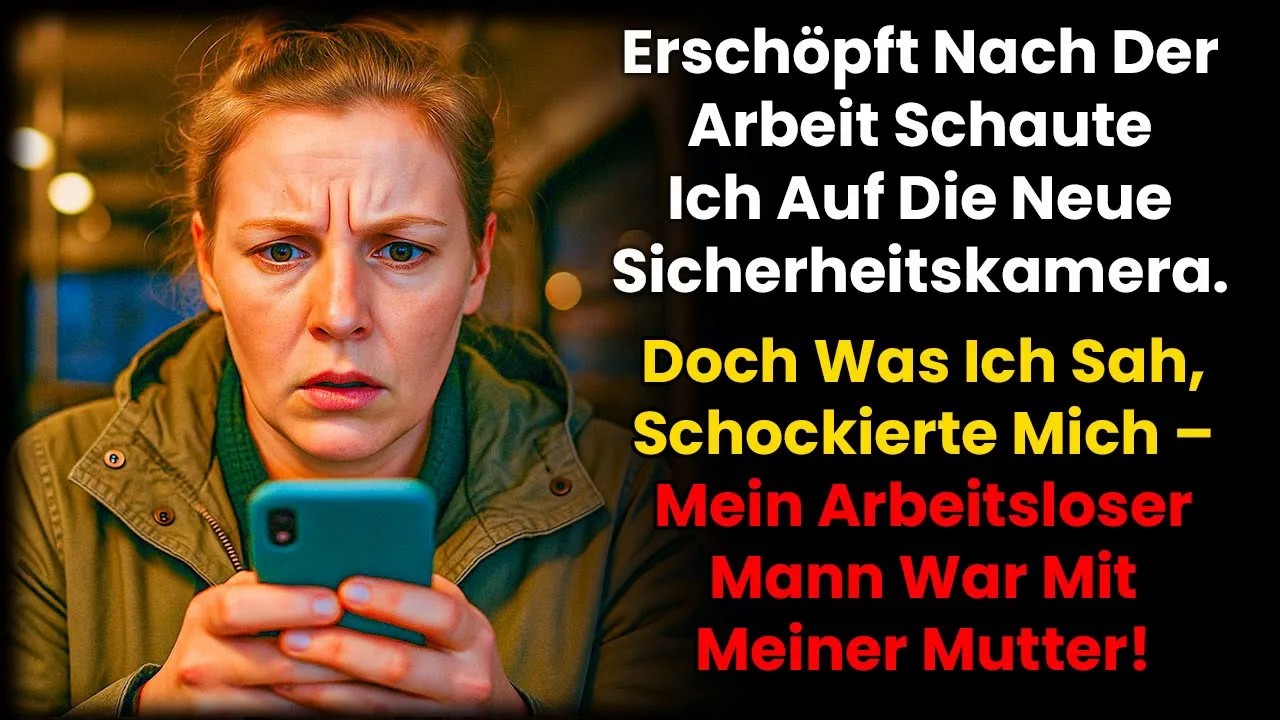
Mörka ringar under ögonen som inget smink kunde dölja, håret i en slarvig hästsvans. Den billiga jackan hon köpt på rean för tre år sedan. Mobilen vibrerade i fickan. Amelie tog upp den rutinmässigt och förväntade sig ännu ett meddelande från Falk med en inköpslista eller ett klagomål om den trasiga kranen, men på skärmen lyste en avisering från appen för hemkamerorna.
Kamerorna. Hon hade helt glömt bort dem. För en vecka sedan hade Amelie installerat ett videoövervakningssystem i lägenheten. Det var inte av misstänksamhet.
I hennes trapphus hade tre lägenheter drabbats av inbrott på en månad. Grannen ovanför hade förlorat alla sina smycken. Pensionären på bottenvåningen hade fått tv:n och datorn stulna. Polisen ryckte bara på axlarna.
Chanserna att hitta tjuvarna var små. Så Amelie hade bestämt sig för att spendera en del av lönen på enkla kameror med rörelsesensorer och möjlighet till livevisning via mobilen. Två kameror, en i hallen och en i vardagsrummet. Falk hade reagerat med sin vanliga likgiltighet.
Gör vad du vill, om du ändå bestämmer här, hade han muttrat utan att titta upp från tv:n. Installationen hade Amelie ändå skött själv, hon hade ringt en fackman och betalat honom ur egen ficka. Falk brydde sig inte. Aviseringen visade att kamerorna fungerade perfekt.
Amelie funderade på varför hon inte skulle titta in i lägenheten. Var allt i sin ordning? Samtidigt kunde hon kolla att pengarna inte var bortkastade och att kamerorna verkligen gav en skarp bild. Hon öppnade appen och valde kameran i vardagsrummet.
Skärmen flimrade till, och framför Amelies ögon dök bilden av hennes rum upp. Soffan där hon och Falk förr hade tittat på film tillsammans. Glädjebordet översållat med hans tidningar och tomma koppar. Tv:n.
Och två människor. Amelies hjärta drog ihop sig. I soffan satt Falk. Hon kände igen hans urtvättade gråa t-shirt och mysbyxorna som han tillbringade sina dagar i.
Bredvid honom hade hans mamma Helga Brand gjort sig hemmastadd. En stor, kraftig kvinna med färgat rött hår och ett ständigt missnöjt ansiktsuttryck. Svärmodern hemma hos dem. Igen.
Amelie grimaserade. Helga Brand kom tre till fyra gånger i veckan, och vartenda besök var en plåga. Hon kritiserade Amelies matlagning, ordningen i lägenheten, hennes utseende. Hon antydde att hennes son förtjänade en bättre kvinna, klagade över sin hälsa och bad om pengar till mediciner.
Pengar som Amelie tjänade med sitt svett och blod. Men den här gången var det något med deras kroppsspråk som oroade Amelie. Helga Brand pratade ivrigt och gestikulerade livligt. Falk nickade och kastade då och då in en kommentar.
De diskuterade tydligen något viktigt. Kameran hade ljud. Amelie tvekade ett ögonblick, sedan tryckte hon på högtalarsymbolen. I hennes hörlurar, som hon sedan gammalt hade i väskan, hördes svärmoderns röst.
Jag sa ju det till dig, min Falk. Du borde ha skapat tydliga förhållanden från början. Mannen i huset ska bestämma, inte hon. Amelie stelnade till och lyssnade på vartenda ord.
Mamma, jag förstår. Men du vet att hon har alla pengarna just nu. Ska jag tigga? Falks röst lät irriterad.
Och du tycker att det är normalt? Kvinnan jobbar och mannen sitter hemma. Alla skrattar åt dig, grannarna viskar. Min väninna Tamara frågade igår: är han sjuk, eftersom han inte har jobbat så länge?
Mamma, sluta. Jag söker jobb. Det finns bara inga anständiga erbjudanden. Anständiga?
fräste Helga Brand. Vill du att de ska komma med guldkantade erbjudanden på silverfat? Och Amelie sliter i tre jobb under tiden. Som en häst.
Och vad ger du henne i gengäld? Ingenting. Amelie hade väntat sig allt utom detta. Hennes svärmor försvarade henne.
Det var så oväntat att hon nästan missade nästa replik. Just det, ingenting. Och det är precis så det ska vara. Helga Brands röst blev hårdare.
Då får hon behålla lägenheten, när hon till slut stupar av trötthet. Och lägenheten är bra. En trerummare i ett centralt område. Den är värd minst 300 000 euro.
Bussen skakade till igen, men Amelie märkte det inte. Hon var helt fokuserad. Mamma, vad pratar du om? Jag pratar om att den här lägenheten står i ditt namn.
Hennes far gav den till Amelie i bröllopspresent, men lät skriva den i ditt namn, eftersom du är mannen. Minns du hur han sa då, för att familjen skulle vara stark? Mannen skulle vara herre i huset, en man av gamla skolan, en ordentlig människa. Amelie tappade andan.
Hennes far. Hennes far, som hade dött i en hjärtattack för fyra år sedan, som verkligen hade patriarkala åsikter och tyckte att mannen skulle vara familjens överhuvud. Han hade insisterat på att lägenheten, som var köpt för hans pengar, skulle stå i Falks namn. Han ska känna ansvar.
Han ska veta att han är husets herre, hade fadern sagt. Då hade Amelie inte protesterat. Hon älskade Falk, litade på honom, såg inget problem. Och nu?
Vadå? frågade Falk uttråkad. Nå, min skatt, om hon plötsligt skiljer sig från dig, måste den här lägenheten delas. Hälften skulle tillfalla henne, fastän hennes far köpte den åt dig.
Orättvist, eller hur? Rättvist eller inte, vad kan jag göra? Lag är lag. Gemensamt förvärvad egendom delas vid skilsmässa.
Men Helga Brand gjorde en dramatisk paus. Det finns sätt. Till exempel om hon själv avstår från sina anspråk på lägenheten, eller om du kan bevisa att lägenheten var en personlig gåva till dig och att hon inte har något med den att göra. Mamma, det är orealistiskt.
Vi har ju dokumenten. Där står allt. En gåva från hennes far till mig. Men under äktenskapet.
Än sen då? Dokument kan tolkas på olika sätt. Huvudsaken är att hitta en bra advokat. Och en advokat kostar pengar.
Amelie kände hur blodet isade sig i hennes ådror. De planerade att skilja henne från lägenheten som hennes egen far hade köpt. Jag har inga pengar, mamma. Varifrån?
Falk blev märkbart irriterad. Men hon har pengar. Hon jobbar ju på tre ställen. Hon sparar säkert lite.
Sparar. Hon har 10 000 euro på kontot, inte mer. Det sa hon häromdagen, när jag bad henne om en ny mobil. 10 000 euro.
Amelie hade tjänat de pengarna på två år. Hon hade sparat dem öre för öre och nekat sig allt. Hon hade drömt om att spara ihop till en renovering och tänkt att det kanske skulle räcka till en liten semester. Hon hade inte haft semester på fem år, bara jobbat, jobbat, jobbat.
10 000 är en början. Sedan sparar vi mer. Hur ska jag få ut dem? Hon är inte dum.
Hon kommer att fråga vad de ska användas till. Åh, min kära Falk. Helga Brands röst blev mjuk, nästan öm. Du är ju mannen, familjens överhuvud.
Kom på något. Säg att du har hittat ett jobb, men att du måste investera. Köpa arbetskläder, verktyg, betala några avgifter. Eller ännu bättre, säg att du har en fantastisk affärsidé och behöver startkapital.
Hon kommer att tro dig. Hon älskar dig ju. Älskade dig i alla fall. Falk teg.
På skärmen syntes hur han kliade sig i nacken. En typisk gest när han tänkte efter. Jag vet inte, mamma, det känns inte rätt. Inte rätt?
Och är det rätt att din fru sliter på tre jobb medan du sitter hemma? Är det rätt att grannarna skrattar bakom din rygg? Är det rätt att hon håller räkning på varenda krona? Hon håller ingen räkning.
Det är bara väldigt lite pengar. Det skulle vara ännu mindre om hon spenderade dem på sig själv. Har du sett vad hon har på sig? Lump.
Hon skulle kunna köpa en ordentlig kostym till dig för de pengarna, så att du kunde gå på anständiga anställningsintervjuer. Men nej, hon tycker det är för bra för dig. Amelie hörde Falk skratta osäkert, men inte längre lika kategoriskt avvisande. Ja, du har väl rätt på något sätt.
Naturligtvis har jag rätt. Jag är din mor. Jag skulle aldrig råda dig till något ont. Hör på, så här gör vi.
Bussen bromsade in vid nästa hållplats. Amelies gata ropades ut. Två hållplatser kvar, sedan måste hon av. Men Amelie rörde sig inte, lyssnade på svärmoderns ord.
Du tar pengarna från henne nu. Säg att du har hittat ett jobb och behöver arbetskläder och en handpenning för en utbildning, till exempel till lastbilschaufför. Där tjänar man bra. Hon blir glad.
Du tar pengarna och överför dem till mitt konto. Jag lägger dem på ett sparkonto i mitt namn. Låt dem ligga och växa. Och vad ska det tjäna till?
Det ska tjäna till, min son, att när skilsmässan kommer – och den kommer, förr eller senare orkar hon inte med det här livet – så räknas de här pengarna som mina, inte som era gemensamma. Vid bodelningen rörs de inte. Förstår du? Passagerarna i bussen började röra på sig.
Amelies hållplats. Hon reste sig automatiskt, blicken fäst på mobilen, hörlurarna i öronen. Hon klev av och stod kvar på trottoaren och lyssnade. Är det lagligt?
frågade Falk. Absolut. En gåva är varje mans privatsak. Du ger din mor pengar av ett rent hjärta.
Är det förbjudet? Att det ursprungligen låg på ditt konto, att din fru fyllde på det, är då oviktigt. Huvudsaken är att du inte har dem vid skilsmässan. Smart tänkt.
Jag anstränger mig för dig, min Falk. Du är min enda son. Jag bryr mig om vad det blir av dig. Och den där Amelie, jag sa från början att hon inte är något för dig.
Av enkla förhållanden. Visserligen betalade fadern för lägenheten, men han var själv bara hantverkare hela livet. Modern var bara städerska. Vad är det för kvinna för min son?
Amelie kände något hett och argt stiga inom henne. Hennes föräldrar, enkla, ärliga människor som hade arbetat hela livet för att ge sin dotter en utbildning och en lägenhet. Fadern hade jobbat sextio timmar i veckan och sparat varenda krona. Modern hade städat kontor och skolor och skytt inget arbete.
De hade varit ordentliga människor, och Amelie hade alltid varit stolt över dem. Och den här kvinnan vågade förolämpa dem. Helga Brand själv hade suttit på en arkivtjänst inom det offentliga hela livet, fått en löjlig lön och hade bara genom ett litet arv en något bättre pension. Mamma, sluta med hennes föräldrar.
De var faktiskt okej. Okej, okej. Tack och lov att fadern slipper uppleva vad hans dotter har blivit. Ett arbetsdjur som försörjer en parasit.
Hörru, jag är ingen parasit. Jag söker aktivt jobb. Jaha, aktivt. Ligger på soffan varje dag och söker aktivt.
Min kära Falk, jag förebrår dig inte. Jag säger bara att situationen inte är normal och att den måste förändras. Du tar pengarna idag, och sedan börjar du sakta förbereda dig. Förbereda mig för vad?
För friheten. För ett nytt liv. Du är fortfarande ung. Trettiosju är den bästa åldern för en man i sin krafts dagar.
Du hittar en annan, en normal, som uppskattar dig, som inte sliter ut sig på tre jobb, utan tar hand om hus och familj som sig bör. Med vilka pengar ska jag försörja en annan kvinna om jag inte kan jobba? Du kan jobba, du vill bara inte, eller så hittar du inget anständigt. Men lägenheten behåller du, det är det viktigaste.
Du säljer den, får 300 000 euro eller mer. Köper något mindre någonstans, investerar resten eller placerar det lönsamt, sedan lever du lugnt. Amelie stod mitt på gatan. Bilar susade förbi.
Människor skyndade till sina ärenden. Någonstans skällde en hund. En vanlig kväll på en vanlig dag. Bara hennes liv höll på att rasa samman framför ögonen på henne.
Sälja lägenheten. Hennes lägenhet, som hennes far köpt med alla uppoffringar, där hon hade bott med sin mor fram till dennas död för tre år sedan, där varje hörn bar minnen av hennes barndom, hennes föräldrar, hennes tidigare lyckliga liv. Och Falk, hennes man, som hon varit gift med i åratal, som hade sagt att han älskade henne, som hade svurit att stå vid hennes sida i nöd och lust. Just den Falk satt nu med sin mor och planerade hur han skulle klämma ur sin egen fru allt hon hade.
Du måste bara tänka på, fortsatte Helga Brand, att skilsmässan måste initieras på ett klokt sätt, så att hon inte hinner hämta sig och skaffa advokat. Bäst är att driva henne så långt att hon går självmant. Då framstår du som den lidande parten. Hur ska jag bära mig åt?
Nå, börja klaga. På maten, på oredan. Kräv mer uppmärksamhet. Säg att hon inte uppskattar dig.
Att ni tillbringar för lite tid tillsammans. Det tål kvinnor inte. Förr eller senare tappar hon behärskningen och går av sig själv. Och du blir kvar i lägenheten, som om ingenting hänt.
Falk skrattade tyst, men Amelie hörde det tydligt. Mamma, du är en cynisk kvinna. Jag är en realistisk kvinna och jag vill att min son ska leva gott och inte tyna bort i elände med den där. Nåväl, jag pratar inte mer om henne.
Är vi överens? Tar du pengarna i kväll? Tystnad. Amelie höll andan.
Överens. Jag försöker prata med henne ikväll. Bravo, min son. Jag visste att du skulle lyssna på mig.
Nå, jag måste gå. Sista bussen går om en halvtimme. Städa lite här, så hon inte klagar. Fast vad ska hon klaga över?
Kvinnan får väl städa själv. På skärmen syntes hur Helga Brand reste sig från soffan och slätade till sin blus. Falk följde henne till hallen. Kameran tappade dem ur sikte.
En minut senare slog ytterdörren igen. Falk kom tillbaka in i rummet, kastade sig på soffan igen och stirrade på tv:n. Amelie stängde av ljudet och stoppade mobilen i fickan. Händerna skakade.
Inuti henne rasade en storm av känslor. Smärta, ilska, vrede, rädsla. Allt blandades till en klump som fastnade i bröstet och hindrade henne från att andas. Nio år.
Nio års äktenskap. Hon hade litat på honom. Hon hade arbetat för dem båda när han förlorade jobbet. Hon hade inte förebrått honom, inte satt press på honom, stått ut med hans mor.
Hon hade älskat honom. Och han? Amelie gick långsamt mot sitt hus. Trehundra meter kvar till porten.
Hon gick som i trans, utan att uppfatta gatan. I huvudet pulserade bara en fråga. Vad ska jag göra? Gå in och bråka?
Berätta allt jag hört? Då skulle hon förlora sin fördel. De skulle veta att hon kände till deras planer och hitta på något nytt. Eller så skulle Falk rättfärdiga sig, skylla allt på mamman, svära på att han aldrig skulle ha gjort något sådant själv.
Kanske skulle han till och med gråta. Han visste hur man spelade uppriktig ånger. Eller så teg hon, låtsades att hon inte visste något. Men då skulle han ta pengarna.
10 000 euro som hon hade tjänat på tjugofyra månader. Och det var bara början på deras plan. Sedan skulle det bli värre. Amelie stannade framför porten.
Dörren med den flagnande färgen, de spruckna plattorna på trappan, det vanliga gamla huset där hon vuxit upp, där hennes mor dött, där hon hade hoppats på ett långt och lyckligt liv. Nej, hon skulle inte tiga. Men hon skulle inte heller bråka. Hon skulle handla klokare.
Amelie tog fram mobilen och öppnade kameraappen. Hon hittade inspelningen från den senaste timmen, sparade den på mobilen, gick sedan in i sitt molnlagringsutrymme och skapade en kopia. För säkerhets skull, om mobilen skulle tappas bort eller gå sönder. Inspelningen var tydlig, rösterna hördes perfekt.
Det var ett bevis. Bevis på att hennes man och hans mor planerade bedrägeri och svek. Det skulle vara användbart i rätten. Vid skilsmässan, när det gällde bodelningen, skulle den här inspelningen visa Falks sanna avsikter.
Den skulle visa att han handlat oärligt och försökt gömma pengar och lura henne på hennes lagliga del av lägenheten. Vilken advokat som helst skulle säga att sådana handlingar kunde påverka domstolens beslut. Amelie gick uppför trappan till fjärde våningen, tog fram nycklarna och öppnade dörren. Falk satt i samma soffa, upptagen av sin mobil.
När han hörde henne komma in lyfte han inte ens blicken. Äntligen hemma. Jag är hungrig. Det finns inget på spisen.
Amelie tog tyst av sig jackan, hängde upp den, tog av sig skorna och gick in i köket. Kylskåpet var nästan tomt. Hon hade planerat att handla i morgon bitti. Det fanns rester från gårdagens middag, bovete, några ägg.
Hon tog fram maten och började laga mat, mekaniskt, utan att tänka. Händerna utförde det vanliga arbetet, men huvudet var någon annanstans. En plan. Hon behövde en plan.
I morgon skulle hon gå till gratis juridisk rådgivning i kvarteret. Hon skulle ta reda på allt om skilsmässa, bodelning och sina rättigheter till lägenheten. Hon skulle ta reda på hur hon skulle gå tillväga. Sedan måste hon säkra pengarna, ta ut dem från kontot, föra över dem någonstans där Falk inte kunde nå dem.
Kanske öppna ett konto i en pålitlig persons namn, eller helt enkelt ta ut dem kontant och gömma dem. Och det viktigaste: hon fick inte visa något. Hon måste bete sig som vanligt för att inte skrämma honom. Dröjer det länge?
ropade Falk från rummet. Några minuter, svarade Amelie med lugn röst. Hon dukade bordet och bar in en tallrik till honom. Falk tog gaffeln utan att se på henne.
Hör du, har du pengar på kortet? Amelie stelnade till. Det började. Han väntade inte ens på ett lämpligt tillfälle, utan frågade rakt ut.
Lite grann. Varför? Nja, jag tänker att det är dags att jag skaffar ett ordentligt jobb. Jag har hittat en plats som lastbilschaufför.
De betalar bra, men jag måste gå en utbildning och ta körkortet. Det kostar 5 000. Kursen tar tre månader. Precis som mamman hade beordrat, ord för ord.
Amelie nickade långsamt. Jag förstår. Och tar de garanterat in dig efteråt? De säger att de anställer.
Och den som går utbildningen får fast anställning. Lön från 3 500 euro netto plus bonus. Det är väl bra, eller hur? 3 500 euro.
Mer än hon tjänade på alla tre jobben tillsammans. Låter bra, sa Amelie försiktigt. Och var håller utbildningen till? De har ett eget utbildningscenter.
Jag åker dit i morgon för att kolla detaljerna, men man måste tydligen betala i förskott för att reservera en plats. Få platser. Stor efterfrågan. Den klassiska bluffen.
Brådskande, platserna är få, betala nu och tänk inte efter. Amelie var nära att skratta. Trodde Falk verkligen att hon var så dum? Å andra sidan, varför inte spela med?
Låt honom tro att hon gått på det. Okej. Amelie nickade. Åk dit i morgon och ta reda på allt.
Om det verkligen är så fördelaktigt, varför inte? Jag har inte heller lust att jobba på tre ställen längre. Falk lyfte äntligen blicken mot henne. En glimt av förvåning for över hans ansikte.
Uppenbarligen hade han väntat sig motstånd. Allvar, du är inte emot det? Om det verkligen leder till att du får jobb, är jag bara för det. Bara det inte är bluff.
Nej, det är helt okej. Jag har läst recensioner online. Alla berömmer det. Javisst, det har han läst.
Amelie drack upp sitt te och reste sig från bordet. Jag är väldigt trött. Jag lägger mig. Hon gick in i sovrummet, stängde dörren och satte sig på sängen med händerna knäppta om knäna.
Inombords drogs allt samman till en smärtsam knut. Hon ville gråta, skrika, kasta saker i väggen, men det fick hon inte tillåta sig. Hon måste behärska sig, tänka igenom allt i detalj och handla. Amelie tog fram mobilen igen, öppnade webbläsaren och skrev in i sökfältet: hur skiljer man sig utan att förlora sina tillgångar.
En lång natt låg framför henne. Morgonen började som vanligt. Väckarklockan ringde 6:30. En snabb dusch, en hastigt nedsvald smörgås.
Amelie gjorde sig redo för jobbet och försökte att inte se på Falk, som låg utsträckt på deras äktenskapliga säng och sov. Förr hade hon beundrat honom på morgnarna. Lång, bredaxlad, vackra drag. Nu såg hon bara den av overksamhet uppsvällda kroppen och kuddtrycket på hans kind.
När hon lämnade lägenheten kontrollerade hon ännu en gång att kamerorna fungerade. Det gjorde de. De var nu hennes vapen, hennes försäkring. Allt som hände i lägenheten i hennes frånvaro spelades in och sparades.
På apoteket, där Amelie arbetade från åtta till fjorton, var det förvånansvärt lugnt. Det kom bara ett fåtal kunder, och hon kunde unna sig att tänka. Planen hade mognat under natten, när hon i timmar suttit med mobilen och gått igenom juridiska forum och rådgivningsbyråer. För det första: säkra pengarna.
På lunchrasten skulle hon gå till banken och ta ut alla sina besparingar kontant. Hemma kunde hon inte gömma dem. Falk kunde hitta dem av en slump eller medvetet söka igenom lägenheten. Hon måste lämna dem till någon för förvaring.
Amelie gick igenom tänkbara kandidater i huvudet. Nästan inga väninnor fanns kvar. Med tre jobb fanns ingen tid för vänskap. Kollegorna från apoteket kände hon för lite.
Grannen, tant Vera, var gammal och pratglad. Skulle råka försäga sig. Då kom hon att tänka på sin kusin Saskia. De hade inte setts på ett år, men i barndomen hade de varit nära vänner, och Saskia hade alltid varit en pålitlig person.
Hon bodde i ett annat område och kände knappt Falk. Perfekt. Amelie ringde hennes nummer. Lång signal, sedan en sömnig röst.
Hallå, Saskia, det är Amelie. Förlåt att jag ringer så tidigt, men jag behöver din hjälp. Akut. Kusinen blev genast klarvaken.
Vad är det? Mår du bra? Jag mår bra, men jag kan inte prata i telefon. Kan vi ses ikväll?
Visst, kom efter jobbet. Jag är hemma. Amelie kände sig lättad. Åtminstone en stod på hennes sida.
Vid lunch gick hon verkligen till banken, löste sparkontot och tog ut alla 10 800 euro kontant. På två år hade det blivit lite mer än hon trott. Den tjocka sedelbunten åkte ner i hennes väska, och Amelie vågade resten av dagen inte röra sig mer än en meter från den. Det andra jobbet i affären, från fjorton till arton, gick som i en dimma.
Amelie scannade varor, hanterade kvitton, svarade kunder. Hennes huvud var upptaget av annat. På kvällen skulle hon ha gått till sitt tredje jobb, kontorsstädningen, men hennes chef ringde och sjukanmälde sig. För första gången på alla månader.
Chefen muttrade missnöjt något om ansvarslöshet, men gav henne ledigt. Amelie kom till Saskia vid halv åtta-tiden. Kusinen öppnade dörren. Liten, späd, med kortklippt hår och uppmärksamma bruna ögon.
Kom in, jag har kokat te. Berätta vad som hänt. De satte sig i köket, och Amelie berättade allt. Om de tre jobben, om sin arbetslöse man, om det avlyssnade samtalet, om Falks mor som planerade att skinna henne.
Saskia lyssnade under tystnad, hennes ögon blev allt större. Herregud, suckade hon när Amelie var klar. Jag har alltid vetat att Falk är en värdelös man, men så här… Och du har inspelningen?
Ja, här. Amelie spelade upp inspelningen på mobilen. Rösterna från Falk och Helga Brand ekade i det trånga köket. Saskia lyssnade, hennes ansikte blev allt strängare.
Jävla svin, sa hon kort. Ursäkta språket, men det finns inget annat sätt att säga det. Saskia, jag måste lämna in skilsmässopapper direkt. Jag vet, men först måste allt förberedas ordentligt.
Jag har pengarna med mig, alla mina besparingar. Kan du förvara dem åt mig? Saskia nickade. Visst, jag har ett kassaskåp.
Jag lägger dem där. Och nu då? Nu behöver jag en bra advokat som är specialiserad på skilsmässa och bodelning. Saskia, känner du någon?
Ja, en kollega till min man skilde sig för två år sedan. Hon var nöjd. Jag ger dig numret med en gång. Tio minuter senare hade Amelie bokat en konsultation hos advokaten Svetlana Borissovna till i övermorgon.
Konsultationen kostade 200 euro, men det var nödvändiga utgifter. Och vad säger du till Falk om pengarna? frågade Saskia. Han ville ju lura dem ur dig.
Jag säger att kontot har spärrats på grund av misstänkt aktivitet. Banken gör en utredning och pengarna är tillfälligt inte tillgängliga. Det kan ta en, två, tre veckor. Under tiden ordnar jag allt och lämnar in skilsmässopapperen.
Och han kommer att tro dig? Han har inget val. Jag vägrar ju inte att ge honom pengarna. Jag kan bara inte fysiskt just nu.
Vad ska han göra? Gå till polisen och anmäla sin fru för att hon inte ger honom pengar? Saskia flinade. Just det.
Bra, planen är bra. Håll ut, kusin. Om det är något, så finns jag här. Jag hjälper dig alltid.
Amelie kramade henne. Hon kände hur en klump växte i halsen. För första gången på många månader kände hon sig inte helt ensam. Hon kom hem vid tio.
Falk mötte henne missnöjt. Var har du varit? Jag ringde. Du svarade inte.
Mobilen var slut på batteri. Jag var hos doktorn. Sedan åkte jag till apoteket för att hämta medicin. Hon hade faktiskt köpt en ask vitaminer på apoteket för att vara övertygande.
Är du sjuk? Blodtrycket spökar. Jag är väldigt trött. Falk nickade likgiltigt och vände sig mot tv:n igen.
Amelie gick in i badrummet och tvättade ansiktet med kallt vatten. Hennes spegelbild var blek med mörka ringar under ögonen. Hon såg verkligen trött och sjuk ut. Nästa dag jobbade hon som vanligt.
Apoteket, affären, på kvällen städningen. Falk skickade ett sms vid lunch. Var på firman. Allt klart.
Platsen är reserverad, måste betalas på måndag. Gör pengarna redo. Amelie svarade: Okej. Och på kvällen, när hon kom hem, sa hon: Falk, jag har ett problem.
Kontot har spärrats. Han lyfte blicken från mobilen. Vad betyder spärrat? Banken har skickat ett meddelande.
Misstänkt aktivitet på kontot. De gör en utredning. Pengarna är tillfälligt inte tillgängliga. Vad för aktivitet?
Du får ju bara din lön där. Jag förstår det inte heller. Jag ringde dit. De sa att utredningen kan ta upp till en månad.
Nya säkerhetsregler. Falk hoppade upp från soffan. En månad! Jag har reserverat min plats.
Jag måste betala på måndag. Vad ska jag säga till dem? Jag vet inte. Amelie ryckte på axlarna.
Jag kan inte göra något. Jag är inte banken. Kan du inte öppna ett nytt konto? För det måste man personligen till bankkontoret med legitimation och ansöka.
Det tar en vecka innan kortet är klart. Det går inte snabbt. Fan. Falk gick nervöst av och an i rummet.
Vad ska jag göra nu? Amelie log inombords. Låt honom vara nervös. Be dem vänta, eller ge dem en handpenning om det verkligen är så bråttom.
Jag har inga egna pengar. Men då måste jag vänta. Falk tog mobilen och gick ut på balkongen. Amelie såg hur han ringde någon, förklarade något, gestikulerade med händerna.
Förmodligen sin mor. Låt honom ringa. De skulle rådgöra och hitta på något nytt, men de hade mindre tid nu. Två dagar senare gick Amelie till advokaten.
Svetlana Borissovna var en kvinna runt femtio med grått hår och en genomträngande blick. Hon lyssnade uppmärksamt, ställde några klargörande frågor och lyssnade på kamera inspelningen. Jag förstår, sa hon till slut. Situationen är svår, men lösbar.
För det första är inspelningen ett mycket bra bevis på er mans oärlighet. I rätten kommer den att väga tungt. För det andra: lägenheten gavs av er far till er man, men under äktenskapet. Det innebär att den vid en skilsmässa måste delas som gemensam egendom.
Det betyder att hälften tillkommer er. Helst ja, men det finns nyanser. Fadern gav lägenheten specifikt till er man och skrev den i hans namn. Detta kan betraktas som en personlig gåva.
Å andra sidan var de gifta, bodde tillsammans, hade gemensamt hushåll. Dessutom finns inspelningen som visar att er man handlat mot era intressen och försökt dölja tillgångar. Det kommer domstolen definitivt att beakta. Och vad ska jag göra nu?
Nu förbereder vi stämningsansökan för skilsmässa och bodelning. Jag hjälper er med formuläret. Parallellt samlar ni in alla dokument: vigselbevis, papper för lägenheten, inkomstintyg för er och er man. Angående inkomst, han har ju ingen officiell inkomst.
Nej, inte på ett år. Utmärkt. Det talar också till er fördel. Ni har försörjt familjen ensam, investerat i lägenhetens underhåll, betalat driftskostnaderna.
Allt det där dokumenterar vi. Vi behöver kvitton, verifikationer, överföringar, allt som visar era utgifter. Amelie nickade och antecknade. Och hur lång tid tar det?
Hur lång tid tar en skilsmässa? Utan komplikationer tre till fyra månader. Med bodelning kan det ta ett halvår, ibland längre. Men vi ska försöka påskynda processen.
Och var ska jag bo under tiden? I lägenheten med honom. Svetlana Borissovna tänkte efter. Ni kan ansöka om delning av konton och fastställande av bostadsanvändning.
Formellt har ni båda rätt att bo i lägenheten tills domstolen fattar ett slutgiltigt beslut. Om atmosfären blir outhärdlig kan ni flytta till släktingar. Det innebär dock inte att ni avstår från er del. Er rätt till hälften av lägenheten kvarstår.
Förstått? Och en sak till. Ni nämnde att er man planerar att lura av er pengar. Ge honom ingenting.
Inga lån, inga överföringar till hans konto eller hans mors konto. Om han insisterar, hitta på alla möjliga anledningar, men ge ingenting. Efter skilsmässan skulle det vara extremt svårt att få tillbaka dessa pengar. Nästan omöjligt.
Jag har redan tagit ut alla mina besparingar och lämnat dem till min kusin för förvaring. Klokt. Fortsätt så. När ni lämnar in skilsmässopapperen, uppge i ansökan att pengarna finns hos er, men att de av säkerhetsskäl förvaras separat.
Det är lagligt. Amelie lämnade advokatbyrån med en tjock pärm full av dokument hon behövde samla in och en tydlig handlingsplan. För första gången på länge kände hon inte bara trötthet och hopplöshet, utan ilska. En kall, målmedveten ilska mot sin man som förrått henne, mot svärmodern som spann intriger, och mot sig själv för att hon stått ut så länge.
Men nu tänkte hon inte göra det längre. De närmaste två veckorna levde Amelie i ett febrilt tempo. På dagarna jobbade hon på tre ställen. På kvällarna samlade hon dokument, tog kopior, lät notariestämpel dem.
Svetlana Borissovna författade stämningsansökan, ett omfattande dokument på åtta sidor där hela situationen beskrevs i detalj. Falk blev under tiden alltmer nervös. Hans kurser hade tydligen flyttats fram, men han frågade ständigt efter pengarna, när kontot äntligen skulle frigöras. Amelie svarade undvikande.
Banken drar ut på tiden. Utredningen pågår. Jag ringer varje dag, men det hjälper inte. Helga Brand kom nu nästan dagligen.
Amelie såg det genom kamerorna. De rådgjorde, smidde nya planer. I ett av samtalen föreslog svärmodern: Kanske du kan be henne om kontanter. Säg att du akut behöver något.
Hon kommer inte att ge dig det. Hon har allt på kortet. Försök snällt. Säg att det är för familjen, för framtiden.
Falk försökte. En kväll kom han fram till Amelie med ett ynkligt ansiktsuttryck. Hördu, har du kanske lite kontanter? Typ 1 000 euro eller så.
Jag behöver dem verkligen akut. Till vad? frågade Amelie utan att se upp från diskhon. Till, till utgifter.
Vad måste köpas? Vad exakt? Vad spelar det för roll? Litar du inte på mig?
Amelie vände sig om och såg honom rakt i ögonen. Jag litar på dig, men jag har inga pengar. Allt är på kortet, och kortet är spärrat. Tyvärr.
Falk grimaserade och gick ut genom dörren med en smäll. Tre dagar senare lämnade Amelie in stämningsansökan till domstolen. Ett exemplar behöll hon själv. Det andra gick till domaren, det tredje skulle delges Falk.
När stämningsmannen kom med kallelsen till deras adress var Falk hemma. Amelie arbetade på affären vid den tiden, men satte på kameran och såg allt via mobilen. Falk öppnade dörren, tog emot kuvertet, vek upp det, läste några sekunder, och sedan blev hans ansikte kritvitt. Han tog mobilen och ringde ett nummer.
Amelie förstod att han ringde sin mor. Mamma, hon har lämnat in skilsmässopapper. Här är en kallelse från domstolen. Hon vill dela lägenheten.
Svärmoderns röst var ohörbar, men Falk skrek högt nog för att Amelie skulle höra allt. Jag vet inte hur hon kom på det. Vi har ju levt normalt. Paus.
Vilken advokat? Var fick hon pengar till en advokat? Ännu en paus. Vad har det med pengarna på kortet att göra?
Kortet är väl spärrat. Det sa hon själv. Amelie log. Det började gå upp för honom.
På kvällen kom hon hem, redo för ett gräl, och hon hade inte misstagit sig. Falk mötte henne i hallen och viftade med dokumentet. Vad är det här? Stämningsansökan, svarade Amelie lugnt medan hon tog av sig skorna.
För skilsmässa och bodelning. Är du från vettet? Varför så plötsligt? För att jag är trött på att försörja dig.
Försörja? Jag har varit din man. Snart din ex-man. Falk steg fram mot henne, och för ett ögonblick såg Amelie vrede i hans ögon.
Äkta, oförställd vrede. Tror du jag går med på att ge dig hälften av lägenheten bara sådär? Den här lägenheten gav din far mig. Den gavs under äktenskapet.
Den räknas som gemensam egendom. Det är inte sant. Den gavs personligen till mig. Det får domstolen avgöra.
Falk tog tag i hennes arm. Han tryckte hårt, det gjorde ont. Amelie slet sig loss. Våga inte röra mig.
Eller vad? Tänker du klaga? Vem bryr sig, din dumma kossa. Då brast något inom Amelie.
All trötthet, all smärta, alla förödmjukelser från de senaste månaderna vällde fram. Dum. Hennes röst blev låg och mycket kall. Dum är den som levt med dig i nio år, som jobbat på tre ställen medan du låg på soffan, som trodde att du sökte jobb.
Och du, du planerade med din mor hur du skulle skinna mig, stjäla mina pengar, lura av mig lägenheten. Jag hörde allt. ert samtal med Helga Brand, om hur du skulle lura av mig pengarna och överföra dem till henne, om hur du skulle driva mig till skilsmässa och lämna mig utan ett öre. Jag hörde allt, Falk.
Och jag spelade in det. Han stelnade. Insikten gick långsamt upp för honom. Kamerorna, väste han.
De förbannade kamerorna! Just det. Tack vare din mor som insisterade på att jag skulle installera dem har de visat sig vara mycket användbara. Du, du avlyssnade oss.
Det är min lägenhet, kontrade Amelie. Och mina kameror. Jag har all rätt att se vad som händer i mitt hem. Ditt hem?
Lägenheten står i mitt namn. För närvarande i ditt namn, snart i bådas. Och kanske, om domstolen tar hänsyn till ditt bedrägeri, får jag till och med mer. Falk rusade mot dörren, ryckte åt sig jackan.
Din lömska… Jag trodde du var en stilla mus, men du agerar bakom min rygg. Bakom din rygg. Amelie skrattade.
Du smidde planer bakom min rygg. Du ville råna mig. Jag ville ingenting. Det var min mors idé.
Och du höll med. Nej, du sa ja. Du sa själv: jag försöker prata med henne ikväll. Allt är inspelat.
Falk, din röst, dina ord. Han slet upp dörren, men Amelie tillade snabbt. Och försök inte förstöra något. Inspelningen ligger i molnet på tre olika servrar.
Även om du slår sönder kamerorna ändras ingenting. Falk rusade ut ur lägenheten och slog igen dörren så hårt att väggarna skakade. Amelie blev stående i hallen och andades tungt. Händerna skakade, hjärtat bultade, men hon hade klarat det.
Hon hade sagt allt som samlats, och hon hade inte brutit ihop. Hon hade inte gråtit, inte bett honom stanna. Hon gick in i rummet, satte på kameran på mobilen och spelade in en kort video. Idag, den artonde november, angrep min man Falk mig fysiskt genom att ta tag i min arm och orsaka mig smärta.
Det finns inga vittnen, men på min arm finns ett blåmärke. Hon drog ner kragen och visade den faktiskt mörknade fläcken från hans grepp. Jag sparar den här videon som bevis om situationen upprepar sig eller förvärras. Hon sparade videon och skickade en kopia till Saskia och Svetlana Borissovna.
Falk kom hem två timmar senare. Han hade uppenbarligen varit hos sin mor. Hans ansikte var argt och beslutsamt. Utan ett ord gick han in i sovrummet, tog fram en väska och började packa sina saker.
Flyttar du? frågade Amelie från hallen. Ja, jag kan inte bo under samma tak som du. Bra, ta med dig allt som är ditt.
Han stoppade ner kläder i väskan, tog mobilladdaren, rakapparaten från badrummet. Amelie stod bredvid och såg till att han inte tog med sig något annat. Vid ett tillfälle sträckte sig Falk efter byrålådan där dokumenten låg. Dokumenten för lägenheten lämnar du här, sa Amelie.
Lägenheten är min. Lägenheten ska delas. Dokumenten behöver jag för domstolen. Jag ska kopiera dem och skicka dem till dig via advokaten.
Dra åt helvete, sa Falk. Hennes röst hade blivit fast. Gör inte situationen värre. Du har redan ställt till med nog.
Om du försöker stjäla dokument eller skada något i lägenheten går jag direkt till polisen. Jag har inspelningen av dina hot. Han kastade en blick full av hat på henne, men stängde lådan. Han stoppade ner de sista sakerna i väskan och gick.
Dörren slog igen. Amelie blev ensam kvar i lägenheten. Tystnaden var öronbedövande. Hon gick in i vardagsrummet och satte sig i soffan.
Överallt fanns spår av deras gemensamma liv. Foton på väggen, souvenirer från resor, böcker. Nio år tillsammans. Det verkade som ett helt liv.
Och nu var det över. Amelie unnade sig exakt fem minuters gråt. Hon grät tyst, med handen för munnen för att inte snyfta. Hon grät inte över mannen, utan över den förlorade tiden, över illusionerna, över att livet inte blivit som hon drömt.
Sedan torkade hon ansiktet, tvättade sig med kallt vatten och öppnade datorn. Hon måste skriva till Borissovna att Falk hade flyttat ut. Det var viktigt för processen. Han hade frivilligt lämnat lägenheten, vilket innebar att han inte senare kunde kräva ersättning för en påtvingad flytt.
Framför henne låg domstolsförhandlingar, långa månader av ovisshet. Men Amelie visste en sak. Hon skulle inte ge upp. Hon skulle kämpa sig igenom det och börja ett nytt liv, utan den arbetslöse mannens och hans giriga mors börda.
Och tills dess måste hon bara överleva till i morgon, och till i övermorgon, dag för dag, tills allt var över. Den första förhandlingen var satt en månad senare. Under tiden hade Amelie hunnit vänja sig vid att bo ensam. Konstigt nog kändes lägenheten rymligare och ljusare utan Falk.
Ingen kastade kläder omkring sig, lämnade smutsig disk eller bytte till fotboll på tv när hon ville se en film. Falk ringde ett par gånger, krävde tillbaka sin spelkonsol, bad om att få hämta sina vinterkängor. Amelie svarade kort och sakligt, utan att låta sig provoceras. Allt han glömt packade hon snyggt i kartonger och lämnade via gemensamma bekanta.
Helga Brand försökte få till ett möte med Amelie, för att prata som människor. Hon ringde och gnällde rakt i luren. Amelie lilla, min kära, vad gör du? Du förstör familjen.
Du har satt min son på gatan. Er son gick självmant, svarade Amelie lugnt. Och familjen förstörde ni båda när ni bestämde er för att bedra mig. Vilket bedrägeri?
Vad pratar du om? Jag ville bara hjälpa Falk. Han är i en så svår situation. Fru Brand, allt ni har att säga kan ni säga i rätten.
Med mig finns inget att diskutera. Och hon lade på. Svärmodern ringde inte igen. Däremot dök Falks advokat upp.
En viss Gregor Klaus, en man runt femtio med välansade hår och vårdat yttre. Genom Svetlana Borissovna lät han överlämna ett bud. Amelie avstår från sina anspråk på lägenheten och får i gengäld en ekonomisk kompensation på 20 000 euro. 20 000 euro för en lägenhet värd 300 000.
Amelie log hånfullt. De tog henne tydligen för fullständigt dum. Det är ett standardmanöver, förklarade Svetlana Borissovna. De försöker skrämma er med rättegången och pressa er till en oförmånlig förlikning.
Vi avböjer naturligtvis. Vi avböjer. Jag vill ha min hälft. Precis rätt.
Förbered er på förhandlingen. Klä er strikt men inte uppseendeväckande. Svara bara på domarens frågor och i förekommande fall på mina. Reagera inte på provokationer från motparten.
Uppträd lugnt och självsäkert. På förhandlingsdagen tog Amelie ledigt från alla tre jobben. Hon tog på sig sin mörka klänning, den enda anständiga hon hade, som hon köpt till sin mors begravning för tre år sedan. Hon satte upp håret i en prydlig knut.
Inget smink, förutom lätt läppstift. I rättsbyggnaden var det kallt och luktade institutionsdamm. Korridorer med avflagad färg, anslagstavlor med lagtexter, människor på bänkar med trötta, plågade ansikten. Amelie tänkte att var och en av dem säkert gick igenom någon form av pina.
Skilsmässa, bodelning, vårdnadstvister. Falk kom med sin mor och advokaten. När han fick syn på Amelie vände han sig bort och låtsades att han inte såg henne. Helga Brand däremot stirrade på henne, och i hennes blick låg oförställd glöd.
Ta ingen notis, viskade Svetlana Borissovna. Det är deras sätt att utöva psykisk press. Förhandlingen varade i två timmar. Domaren, en kvinna runt femtio med trött ansikte och stränga ögon, lyssnade på båda sidor.
Falks advokat talade vältaligt och övertygande. Lägenheten hade personligen skänkts till hans klient av hustruns far, vilket styrktes av gåvobrev. Det var en personlig gåva och omfattades inte av bodelningen. Dessutom hade käranden inte investerat en enda krona av sina egna pengar i lägenheten.
Allt var betalt av fadern. Följaktligen var hennes anspråk ogrundade. Svetlana Borissovna bestred. Gåvan hade skett under äktenskapet.
Lägenheten hade använts som familjebostad. Käranden hade stadigvarande bott där och bidragit till dess underhåll. Dessutom fanns bevis för att svaranden handlat oärligt, försökt dölja tillgångar och bedra sin hustru. Domaren begärde att få se bevisen.
Svetlana Borissovna spelade upp ljudinspelningen. I rättssalen ekade rösterna från Falk och Helga Brand. Deras cyniska samtal om hur de skulle lura av pengarna, skinna Amelie och lämna henne utan ett öre. Amelie iakttog reaktionerna.
Falk bleknade och sjönk ihop. Helga Brand pressade ihop läpparna till ett tunt streck. Advokaten rynkade pannan. Uppenbarligen hade hans klienter inte informerat honom om inspelningen.
Domaren lyssnade under tystnad. Hennes ansikte var uttryckslöst. När inspelningen var slut höjde hon blicken. Svaranden, bekräftar ni att detta är er röst?
Falk tvekade, mumlade sedan: Ja, men det var bara ett samtal. Vi pratade teoretiskt. Teoretiskt planerade ni att bedra er hustru och dölja tillgångar? Nej, alltså, min mor sa något.
Jag instämde inte. På inspelningen hörs tydligt att ni instämde. Advokaten ingrep: Ers heder. Denna inspelning gjordes utan min klients samtycke.
Det är ett intrång i privatlivet. Inspelningen gjordes i kärandens lägenhet med hjälp av ett videoövervakningssystem som hon installerat, kontrade Svetlana Borissovna. Det föreligger inget intrång. Det är hennes egendom, hennes hem.
Hon hade full rätt att installera kameror för att skydda sin egendom. Domaren nickade. Jag godtar inspelningen som bevis. Den kommer att beaktas vid domen.
Falks advokat försökte invända ytterligare, men det stod klart att processen inte gick i deras favör. Förhandlingen ajournerades en månad för att samla in ytterligare handlingar. När de lämnade salen kunde Helga Brand inte hålla sig längre. Det här kommer du att få ångra.
Tror du att du har vunnit? Du kommer inte att lyckas med något. Amelie stannade och vände sig mot henne. Fru Brand, om ni fortsätter hota mig kommer jag att polisanmäla er för skrämsel och försök att hindra rättvisan.
Vem är du som hotar mig? Jag är en människa som inte längre tänker låta sig förödmjuka, varken av er eller er son. Och hon gick förbi utan att se sig om. Svetlana Borissovna hann ifatt henne i korridoren.
Mycket bra genomfört. Bravo. Jag tror att vår sak är vinnande. Domaren är tydligt på vår sida.
Hur lång tid tar det? Kanske några fler förhandlingar? Totalt tre till fyra månader. Har ni tålamod?
Amelie nickade. Tålamod hade hon gott om. Det hade de nio åren med Falk lärt henne. De följande månaderna drog ut på tiden i ensformighet.
Arbete, hemma, ibland ett möte med Saskia som stöttade henne så gott hon kunde. Två gånger i månaden domstolsförhandlingar där samma saker maldes om och om igen. Vem hade rätt till vad, vem hade rätt, vem hade fel. Falk försökte bevisa att Amelie bara bott med honom för lägenhetens skull, att hon inte älskat honom, bara utnyttjat honom.
Svetlana Borissovna vederlade detta lätt genom att lägga fram Amelies inkomstintyg som visade att hon försörjt familjen. Varför skulle någon utnyttja en människa som hon själv finansierade? Sedan försökte Falks advokat en annan väg. Käranden hade psykiskt förtryckt sin make, förnedrat honom för hans arbetslöshet, vilket var anledningen till att han inte kunnat hitta ett anständigt jobb.
Amelie hade kunnat skratta i rättssalen. Hon, en kvinna som slet på tre jobb för att hennes man i lugn och ro skulle kunna söka jobb, skulle ha förtryckt honom? Domaren lät sig inte imponeras av dessa argument heller. Till sist, i mitten av mars, ägde den avslutande förhandlingen rum.
Domaren avkunnade domen: Äktenskapet mellan Amelie och Falk Klaus upplöses. Lägenheten på den angivna adressen erkänns som gemensam egendom och delas i lika delar. Vardera parten tillkommer hälften. Svaranden är skyldig att utge hälften av lägenhetens värde, 150 000 euro, till käranden inom sex månader.
I annat fall kommer lägenheten att säljas på exekutiv auktion och köpeskillingen delas lika. Rättegångskostnader och advokatarvoden delas. Amelie lyssnade och kunde knappt tro det. 150 000 euro, eller hälften av lägenheten.
Hon hade vunnit. Falk satt blek och knöt nävarna. Helga Brand torkade tårarna med en näsduk. Antingen äkta eller tillgjorda.
Advokaten talade med Falk, som skakade på huvudet. De övervägde tydligen att överklaga, men Amelie brydde sig inte. Svetlana Borissovna hade redan sagt att en överklagan med sådana bevis inte skulle ha framgång. De kunde försöka, men domen skulle stå fast.
En vecka senare erbjöd Falk genom sin advokat en förlikning. Han skulle bo kvar i lägenheten och betala Amelie 20 000 euro om året i sju år. Amelie avböjde. Sju års väntan, aldrig i livet.
Han skulle sälja lägenheten nu och dela pengarna. Eller omedelbart skaffa fram summan, ta ett lån, låna av släktingar. Till slut måste Falk gå med på en försäljning. Lägenheten lades ut på marknaden.
En köpare hittades efter två månader. Ett ungt par med barn. De prutade ner priset till 296 000 euro. Lite under marknadsvärdet, men snabbt och smidigt.
I juni fick Amelie 148 000 euro in på sitt konto. Kostnader för notarie och annat drogs av, över 150 000 totalt. Hon satt i sin hyrda etta i utkanten av staden, som hon hyrde för 750 euro i månaden, och tittade på siffrorna i bankappen. Hon kunde knappt fatta att det var verklighet.
Saskia kom samma kväll med en flaska champagne. Amelie, du är fantastisk. Du klarade det. De drack och satt på golvet, för lägenheten hade nästan inga möbler.
Bara en madrass, ett bord och två stolar. Vad ska du göra nu? frågade Saskia. Amelie tänkte efter.
Bra fråga. Vad nu? Först köper jag en ordentlig lägenhet. En liten, men min egen.
Sedan vet jag inte. Kanske ägnar jag mig äntligen åt det jag tycker om. Och vad tycker du om? Amelie ryckte förvirrat på axlarna.
Så många år hade hon arbetat oavbrutet att hon glömt vad hon själv ville. För länge sedan, innan äktenskapet, hade hon älskat att måla. Akvarell, olja, allt möjligt. Hon hade drömt om att bli konstnär.
Men hennes far hade sagt: Det är inget yrke. Lär dig något ordentligt. Hon hade utbildat sig till farmaceutisk assistent. Målandet hade hon lagt ner.
Vet du vad? sa hon långsamt. Kanske provar jag på att måla igen, bara för mig själv. Eller så anmäler jag mig till några workshopar.
Bra idé. Och jobbet? Jag ska bara ha ett jobb. Ett vanligt, där man får anständigt betalt och inte förstör hälsan.
Pengarna räcker tills jag hittar något passande. Planen tog gradvis form. Amelie kände hur något vaknade inom henne. Så många år hade hon levt i ständig spänning, trötthet och hopplöshet.
Nu kände hon för första gången på länge något hon glömt. Hopp. En månad senare köpte hon en tvårummare i ett lugnt område. Inte i centrum, men med en park i närheten och bra kommunikationer.
Hon betalade 120 000 euro. Resten lade hon undan till renovering och sitt liv. Hon sade upp sig från alla tre jobben. Hon fick en anställning på ett apotek nära sitt nya hem.
Ett skift, normala arbetstider, en anständig lön. Hon hade nu gott om tid. Hon skrev in sig på en målarskola. På kvällarna gick hon på lektioner och målade stilleben, landskap, porträtt.
Händerna mindes inte genast tekniken, men så småningom kom allt tillbaka. Livet lugnade sig långsamt. Amelie möblerade lägenheten med prisvärda men mysiga möbler. Hon skaffade en katt, en röd, framfusig hankatt som genast erövrade soffan och blev husets herre.
Hon döpte honom till Simba. Ibland satt hon på kvällarna vid fönstret med en kopp te och tänkte på Falk. Vad hade det blivit av hans liv? Hade han hittat ett jobb?
Bodde han fortfarande hos sin mor? En dag stötte hon ihop med honom på gatan. Hon var på väg hem från affären. Falk kom gående med en ung, iögonfallande kvinna i moderna kläder.
De skrattade åt något, och Amelie såg hur Falk lade armen om sin följeslagerska. Han hade alltså en ny. Det var hans rätt. De passerade varandra utan att hälsa.
Amelie kände varken smärta eller vrede, bara lätt likgiltighet. Den här människan hade inget med henne att göra längre. Ett halvår efter skilsmässan träffade hon Timo. De möttes banalt nog i kön på banken.
Han stod bakom henne, och när Amelies kort ramlade ur fickan plockade han upp det och gav tillbaka det. De började prata. Timo var ingenjör på en fabrik, skild, med en tioårig dotter som bodde hos sin mor. Han var lugn, förståndig, med låg röst och vänliga ögon.
Han frågade efter hennes nummer, ringde några dagar senare och bjöd henne på bio. Amelie funderade länge på om hon överhuvudtaget borde gå ut med någon efter Falk. Hon ville hålla sig borta från män, men något lockade henne. Kanske tröttheten av ensamhet, kanske ren nyfikenhet.
De gick på bio, sedan på café, sedan igen och igen. Timo var helt annorlunda. Uppmärksam, taktfull. Han pressade henne inte, krävde inget, frågade inte nyfiket om hennes förflutna.
Han berättade om sin egen skilsmässa. Hans fru hade lämnat honom för en annan och tagit dottern med sig. Han betalade underhåll, såg barnet på helgerna. Han levde anspråkslöst men anständigt.
Efter några månader blev förhållandet allvar. Amelie berättade sin historia. Timo lyssnade och omfamnade henne. Du är stark.
Inte alla hade tagit sig ur det så. Jag hade helt enkelt inget val. Man har alltid ett val. Många hade gett upp, funnit sig i situationen.
Men du kämpade. Kanske hade han rätt. Amelie hade verkligen kämpat. Inte för Falk, inte för ett familjespöke, utan för sig själv, för sin rätt till ett värdigt liv.
Ett år efter skilsmässan gick, sedan två. Livet hade tagit en ny riktning. Amelie jobbade på apoteket, målade på kvällarna, träffade Timo. Inget extraordinärt, inga chocker.
Bara ett lugnt, fridfullt liv. Men det var precis vad hon hade behövt. En dag ringde Saskia. Amelie, jag fick höra en sak av en slump.
Minns du Falk? Svårt att glömma. Nå, han har gift om sig. Jag såg bilder i sociala medier.
Samma unga kvinna som du såg honom med. Väldigt ung, runt 25. Amelie log. Nå, grattis.
Då får hon försörja honom nu. Ja, fast hon har tydligen gott om pengar. Hennes far är affärsman. De bor i hennes lägenhet.
Hon jobbar i pappas företag, och Falk sitter hemma igen. Han har hittat sin nisch. Den yrkesmässige hemmamannen. Båda skrattade åt det, men Amelie kände ingen skadeglädje.
Låt honom leva som han vill. Det var inte längre hennes problem. Hon hade sitt eget liv nu. En lägenhet där det var fint och mysigt, ett jobb som inte slet ut henne, en hobby som gav henne glädje, och en man vid sin sida som respekterade henne och inte försökte utnyttja henne.
Ibland kom bitterheten över henne. Nio förlorade år. Nio år av sitt liv som hon slösat på en människa som inte var värd en enda dag av hennes tid. Men sedan samlade Amelie sig.
Det förflutna kunde inte tas tillbaka, men framtiden kunde formas om. Och hon formade den långsamt, försiktigt, men stadigt. En kväll, när hon satt vid fönstret med sitt skissblock, ertappade Amelie sig med en tanke. Hon var lycklig.
Inte euforisk, inte explosiv, utan stilla, djupt, äkta lycklig över det hon hade, över det hon själv uppnått, över att ingen längre bestämde över henne. Simba hoppade upp på fönsterbrädan och gnuggade huvudet mot hennes hand. Amelie klappade honom och log. Utanför gick solen ner och färgade himlen i orange och rosa.
En vacker kväll. Ett vackert liv. Och allt detta hade hon förtjänat själv.