Il telefono vibrò alle 2:27 del mattino. A quell’ora nessuno chiama per dare una buona notizia. Stavo attraversando il parcheggio della base militare, ancora in uniforme, con un caffè ormai freddo in una mano e le chiavi della macchina nell’altra. La notte era silenziosa, ma nell’aria c’era già il caldo pesante di luglio.
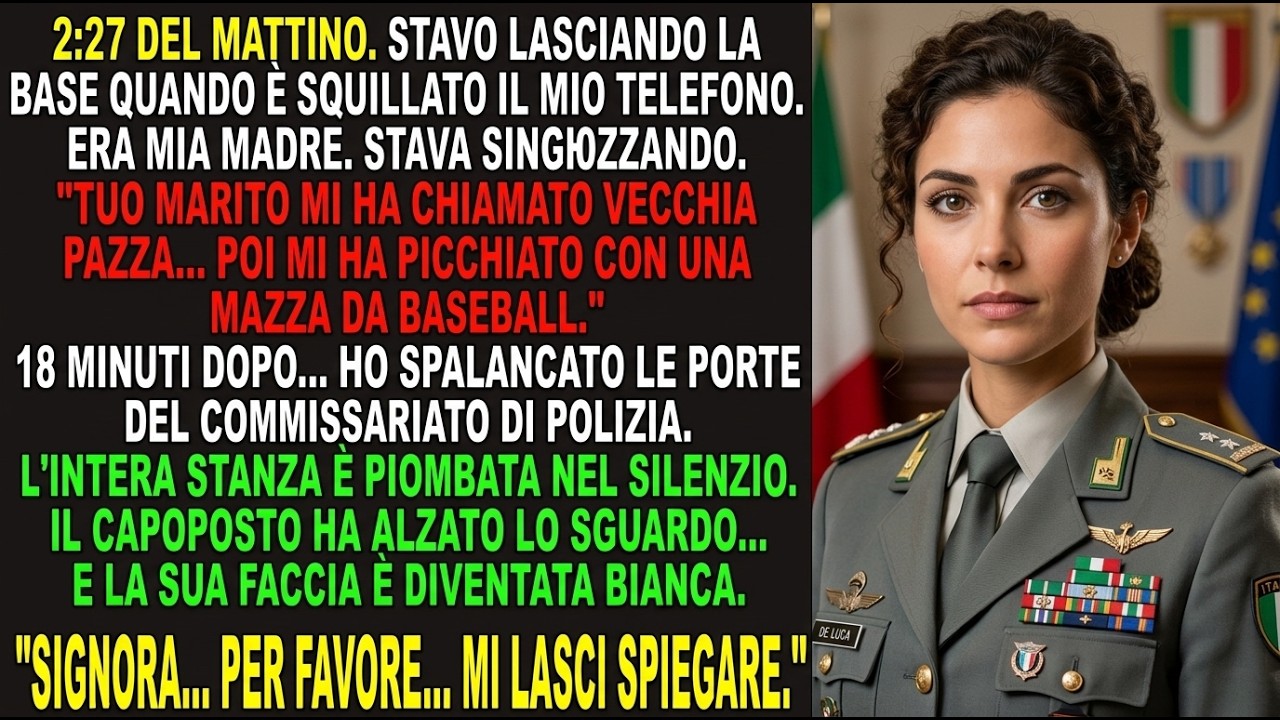
Guardai lo schermo. Mamma. Il cuore mi si fermò. Lei non chiamava mai nel cuore della notte.
Nemmeno quando mio padre era morto aveva avuto il coraggio di telefonarmi così tardi. Risposi subito. “Mamma? ”
Per alcuni secondi sentii solo il suo respiro spezzato.
Poi una voce così debole da farmi gelare il sangue. “Emily. ”
Mi bloccai. “Dove sei?
”
“Alla stazione di polizia. ”
Lasciai il bicchiere di caffè sul cofano dell’auto. “Perché sei lì? Che cosa è successo?
”
Lei scoppiò a piangere. Non era un pianto normale. Era il pianto di una donna che aveva perso ogni sicurezza. Mia madre, Margaret, aveva settantuno anni ed era sempre stata una donna forte.
Aveva affrontato la morte di mio padre senza piegarsi. Aveva superato un intervento al ginocchio senza lamentarsi. Una volta aveva perfino cacciato un animale selvatico dal giardino armata solo di una scopa. Ma quella notte sembrava terrorizzata.
Fece un respiro profondo, poi pronunciò una frase che cambiò la mia vita. “Ryan mi ha colpita. ”
Sentii il cuore battere sempre più forte. “Che cosa hai detto?
”
“Mi ha colpita con una mazza da baseball. ”
Per qualche secondo il mondo sembrò fermarsi. Le persone continuavano a camminare nel parcheggio. Qualcuno rideva.
Un camion passò vicino al cancello. Tutto sembrava normale, tranne la mia vita. “Dove ti ha colpita? ”
“Alla spalla, alle costole.
Sono caduta vicino al tavolo della cucina. ”
La mia mente correva velocissima. Ryan era mio marito. Poche ore prima mi aveva scritto un messaggio dicendo che era ancora in ufficio a controllare alcuni documenti della sua azienda.
Si era perfino lamentato di alcuni problemi con un fornitore. Aveva scritto come se fosse una serata assolutamente normale. Aveva mentito. “Perché era da te?
”
Mamma cercò di calmarsi. “Era arrabbiato. Diceva che gli stavo mettendo contro sua moglie. ”
Chiusi gli occhi.
Conoscevo bene mia madre. Non aveva mai avuto paura di dire quello che pensava. Probabilmente gli aveva detto in faccia che stava cambiando, che non era più l’uomo che avevo sposato. “Gli ho detto che non avevo bisogno di convincerti, perché ormai vedevi da sola che tipo di uomo era diventato.
”
Quelle parole sembravano uscite direttamente dalla sua bocca. Erano sincere, troppo sincere. “Poi mi ha chiamata pazza. ” La sua voce tremò.
“E dopo mi ha colpita. ”
Sentii un nodo stringermi la gola. “Hai visto un medico? ”
“No.
La polizia mi ha portata qui. ”
“Chi ha chiamato la polizia? ”
Seguì un lungo silenzio. Poi arrivò la risposta.
“Ryan. ”
Rimasi immobile. “Ha detto agli agenti che ero stata io ad aggredirlo. Ha raccontato che sono una vecchia confusa, che ormai non ragiono più.
”
Sentii crescere dentro di me una rabbia difficile da controllare. Non solo aveva aggredito una donna anziana. Stava cercando di distruggerne la reputazione. “Ascoltami bene.
” La mia voce era calma, troppo calma. “Non firmare nulla. Non discutere con nessuno. Chiedi subito di essere visitata da un medico e rimani sempre dove ci sono altre persone.
”
Lei rimase in silenzio, poi disse una frase che mi spezzò il cuore. “Mi dispiace. Non volevo creare problemi nel tuo matrimonio. ”
Chiusi gli occhi.
“Non sei tu ad aver distrutto il mio matrimonio. ” Feci una pausa. “È stato Ryan. ”
Entrai in macchina e accesi il motore.
L’orologio segnava ancora le 2:29. Telefonai immediatamente al mio comandante. “Ho un’emergenza familiare. Devo andare via adesso.
”
Non aspettai altre domande. “Parti. ”
Ogni semaforo sembrava infinito. Ogni minuto aumentava la mia ansia.
Continuavo a ripetermi una sola cosa: ti prego, fa’ che mia madre sia ancora al sicuro. Diciotto minuti dopo parcheggiai davanti alla stazione di polizia. Entrai quasi correndo. Appena attraversai la porta a vetri, la sala si fece improvvisamente silenziosa.
La gente dietro il bancone alzò lo sguardo. Mi riconobbe immediatamente. Il colore sparì dal suo volto. Si alzò lentamente.
Sembrava nervoso, molto più nervoso di quanto avrebbe dovuto essere. “Signora Walker”, esitò, abbassò lo sguardo, poi disse lentamente: “Prima di tutto credo che ci sia qualcosa che lei deve sapere”. Non aspettai che finisse di parlare. “Prima voglio vedere mia madre.
”
L’uomo esitò. Sembrava voler dire qualcosa, ma alla fine fece solo un cenno con la testa. “È nella sala interrogatori numero tre. ”
Camminai lungo il corridoio senza rallentare.
Ogni passo aumentava la tensione. Quando aprii la porta, il mio respiro si fermò. Mia madre era seduta su una semplice sedia di plastica. Stringeva una borsa del ghiaccio contro la spalla sinistra.
La camicia bianca era macchiata di sangue ormai secco. I suoi occhiali erano rotti. Una lente mancava completamente. Sembrava molto più piccola di come la ricordavo poche ore prima.
Quando mi vide, provò perfino a sorridere. “Sapevo che saresti arrivata. ”
Mi inginocchiai davanti a lei e le presi lentamente la mano. Era fredda.
“Adesso ci sono io. ”
“I medici vogliono visitarmi dopo l’interrogatorio. ”
Mi voltai immediatamente verso i due agenti presenti. “No.
” La mia voce era calma, ma decisa. “Prima viene l’ospedale. ”
Uno degli agenti abbassò lo sguardo. “Stavamo seguendo la procedura.
”
Lo interruppi. “La procedura dice che una donna di settantuno anni colpita con una mazza da baseball deve ricevere assistenza medica immediata. ”
Nella stanza calò il silenzio. Nessuno seppe cosa rispondere.
Dopo pochi minuti arrivò finalmente un’ambulanza. Mentre i paramedici aiutavano mia madre a salire sulla barella, lei mi strinse forte la mano. “Non perdere la calma. ”
Accennai un sorriso.
“Farò del mio meglio. ”
In realtà dentro di me stava crescendo una rabbia enorme, una rabbia che cercavo di controllare grazie ai venticinque anni passati nell’esercito. Quando l’ambulanza partì, un sergente mi invitò nel suo ufficio. Era un uomo sulla cinquantina, capelli grigi, volto stanco.
Appena chiuse la porta sospirò profondamente. “Le devo delle scuse. ”
Lo guardai negli occhi. “Le scuse spettano a mia madre.
”
Lui abbassò la testa. “Ha ragione. ”
Quella risposta mi sorprese. Non cercò di difendere il suo lavoro.
Non inventò giustificazioni. Aprì una cartella. “Suo marito ha chiamato personalmente il numero d’emergenza. ”
“Lo immaginavo.
”
“Ha raccontato che sua suocera lo aveva aggredito. ” Aspettai. “Ha detto che aveva tentato di colpirlo con un attizzatoio del camino. ”
Lo fissai in silenzio.
Poi sorrisi amaramente. “C’è un problema. ”
Il sergente corrugò la fronte. “Come?
”
“Mia madre non ha un camino. Abita in una casa con riscaldamento elettrico. Non esiste nessun camino e di conseguenza non esiste nemmeno un attizzatoio. ”
Per alcuni secondi nessuno parlò.
Il sergente rimase a fissare il tavolo. Sembrava aver capito di aver commesso un errore enorme. “Abbiamo dato troppo peso alla prima versione dei fatti. ”
Annuii lentamente.
“Ryan è molto bravo a convincere le persone. ”
Lo era sempre stato. Quando l’avevo conosciuto sembrava l’uomo perfetto: simpatico, disponibile, sempre pronto ad aiutare chiunque. Ricordava i compleanni di tutti.
Faceva volontariato. Costruiva mobili per gli amici. Faceva sentire importante ogni persona che incontrava. Era impossibile non fidarsi di lui.
Anch’io mi ero fidata. Per quindici anni. Ripensando al passato, però, iniziai a vedere dettagli che avevo ignorato. Ryan aveva bisogno di essere sempre ammirato.
Se qualcuno lo contraddiceva, non riusciva ad accettarlo. All’inizio sembravano solo piccoli difetti: discutere con i camerieri, litigare con i cassieri, criticare continuamente i vicini. Poi quei comportamenti iniziarono a entrare dentro casa. Ogni mia decisione diventava motivo di discussione.
Ogni mio successo sembrava infastidirlo. Quando la sua impresa iniziò ad avere problemi economici, il suo carattere cambiò completamente. Le battute si trasformarono in insulti. Le discussioni diventarono accuse.
Ogni volta trovava qualcuno da incolpare. Mai se stesso. Il sergente interruppe i miei pensieri. Aprì lentamente un piccolo sacchetto trasparente usato per le prove e lo spinse verso di me.
Dentro c’era una lente rotta. Riconobbi subito quegli occhiali. Erano quelli di mia madre. “Dove l’avete trovata?
”
“Sotto lo stivale di suo marito. ”
Rimasi senza parole. Se Ryan fosse stato davvero la vittima, perché avrebbe schiacciato gli occhiali di una donna che secondo lui lo stava aggredendo? Il sergente sembrava porsi la stessa domanda.
Io invece iniziai finalmente a capire. Mia madre non era stata in piedi durante quella violenza. Era già caduta. Ryan era sopra di lei e aveva continuato a muoversi intorno al suo corpo.
Quella piccola lente raccontava una storia molto diversa da quella denunciata da mio marito: una storia fatta di violenza, di bugie e di un piano studiato con estrema attenzione. Per la prima volta non mi chiesi più se il mio matrimonio potesse essere salvato. Mi domandai soltanto quante altre menzogne Ryan avesse nascosto durante tutti quegli anni. Dentro di me nacque una certezza: non stavo combattendo contro un uomo impulsivo.
Stavo affrontando qualcuno che aveva deciso di manipolare la realtà pur di proteggere se stesso. E avevo la sensazione che il peggio dovesse ancora arrivare. L’alba arrivò senza che me ne accorgessi. Ero seduta nel corridoio dell’ospedale con un bicchiere di caffè ormai freddo tra le mani.
Avevo passato tutta la notte senza chiudere occhio. Pochi minuti dopo, il medico uscì dalla stanza di mia madre. Il suo volto era serio. “Lei è la figlia?
”
Annuii. “Sua madre è stata molto fortunata. ”
Quelle parole mi colpirono. Fortunata.
Come poteva definirsi fortunata una donna di settantuno anni presa a colpi di mazza nella propria cucina? Il medico continuò. “Ha una clavicola fratturata, due costole lesionate, numerose contusioni e una commozione cerebrale. Se il colpo fosse arrivato pochi centimetri più in alto, oggi staremmo parlando di qualcosa di molto diverso.
”
Inspirai lentamente. La rabbia stava lasciando spazio a qualcosa di ancora più pericoloso: la lucidità. Prima che potessi entrare nella stanza, una donna si avvicinò. Vestiti civili, taccuino in mano, sguardo attento.
“Capitan Emily Walker? ”
“Sì. ”
“Sono la detective Angela Ruiz. Mi occuperò personalmente del caso.
”
Le strinsi la mano. La sua stretta era decisa. “Vorrei ascoltare la versione di sua madre. ”
“Anch’io.
”
Ruiz fece un piccolo sorriso. “Questa notte molte cose sono successe troppo in fretta. Adesso voglio ricostruire tutto senza saltare nemmeno un dettaglio. ”
Entrammo nella stanza.
Mia madre era pallida, ma completamente cosciente. La detective accese il registratore. “Signora Ellis, partiamo dall’inizio. ”
Mamma chiuse gli occhi per qualche secondo, poi iniziò a raccontare.
“Erano circa le 9:30 quando Ryan bussò alla porta. ”
Ruiz prese appunti. “Perché gli ha aperto? ”
“Aveva una torta in mano.
Disse che voleva chiedermi scusa. ”
Sentii un brivido. Era tipico di Ryan: entrare nella vita delle persone con un sorriso, nascondendo le vere intenzioni. “Abbiamo parlato qualche minuto”, continuò mia madre.
“Poi mi ha chiesto se stessi convincendo Emily a lasciarlo. ”
“Lei cosa ha risposto? ”
“Che mia figlia prende le proprie decisioni da sola. ” Ruiz annuì.
“E dopo ho anche detto che ultimamente era cambiato, era sempre nervoso, sempre arrabbiato. ”
La detective continuava a scrivere. “Come ha reagito? ”
Mamma abbassò lo sguardo.
“Ha iniziato a camminare avanti e indietro per la cucina. ” Le sue mani tremarono. “Diceva che stavo distruggendo la sua famiglia, che tutti lo guardavano dall’alto in basso, che nessuno lo rispettava più. ”
Quelle frasi non mi sorpresero.
Le avevo già sentite più di una volta. Quando gli affari della sua azienda avevano iniziato ad andare male, Ryan aveva cominciato a vedere nemici ovunque. Ogni persona diventava colpevole dei suoi fallimenti. Mai lui.
“Poi mi ha chiamata…” Mamma si fermò, inspirò lentamente. “Una vecchia pazza. ”
Nella stanza calò il silenzio. La detective aspettò.
“E io gli risposi che non avevo paura di lui. ”
Ruiz alzò lentamente lo sguardo. “E dopo? ”
“Lui uscì dalla porta sul retro.
”
“Per quanto tempo? ”
“Forse trenta secondi. ”
Quando tornò, le mani di mia madre iniziarono a tremare ancora. “Aveva una mazza da baseball.
”
Sentii lo stomaco chiudersi. “Ricorda che cosa disse? ”
“Sì. ” La sua voce diventò quasi un sussurro.
“Disse: ‘Adesso tutti crederanno davvero che sei impazzita’. ”
Nessuno parlò. “Poi mi colpì. ” Mamma chiuse gli occhi.
“Una volta. Caddi contro il tavolo. Una seconda volta. Sentii un dolore fortissimo alle costole.
”
“Ha perso conoscenza? ”
“Per pochi secondi. ”
Ruiz rimase immobile. “Quando ha riaprirà gli occhi?
”
“Ryan era in piedi sopra di me. ”
La detective la guardò. “Che cosa stava facendo? ”
“Telefonava al numero d’emergenza.
” Gli occhi di mia madre si riempirono di lacrime. “Pensavo stesse chiedendo aiuto. ” Fece una lunga pausa. “Non immaginavo che stesse denunciando me.
”
La detective posò lentamente il registratore e la guardò negli occhi. “Signora Ellis, le credo. ”
Per la prima volta da quella notte vidi mia madre rilassarsi leggermente, come se qualcuno finalmente avesse deciso di ascoltarla davvero. Ma fuori dall’ospedale la situazione era completamente diversa.
Ryan si era mosso in anticipo. Aveva iniziato a raccontare la sua versione a vicini, amici e conoscenti. Nel giro di poche ore la voce si era diffusa ovunque. Molti dicevano che mia madre soffrisse di problemi mentali.
Altri sostenevano che Ryan fosse soltanto un marito paziente costretto a difendersi. Persino sui social comparivano messaggi di sostegno nei suoi confronti. Guardai il telefono. Decine di notifiche.
Commenti, domande, accuse. Li lessi uno dopo l’altro, poi spensi lo schermo. In venticinque anni nell’esercito avevo imparato una lezione fondamentale: le bugie possono correre molto veloci, ma le prove arrivano sempre più lontano. E io avevo deciso una cosa.
Non avrei combattuto quella guerra con le parole. L’avrei vinta con i fatti. Proprio mentre stavo lasciando l’ospedale, il telefono squillò. Era la detective Ruiz.
La sua voce era diversa, molto diversa. “Emily, abbiamo appena trovato il primo grande errore commesso da suo marito. ”
Il mio cuore accelerò. “Che cosa avete scoperto?
”
Seguì un breve silenzio. Poi pronunciò una frase che cambiò completamente la direzione dell’indagine. “Credo che la sua versione stia iniziando a crollare. ”
Quaranta minuti dopo ero di nuovo davanti alla stazione di polizia.
Questa volta l’atmosfera era completamente diversa. Nessuno evitava il mio sguardo. Nessuno sembrava sicuro di quello che era accaduto la notte precedente. Appena entrai, un giovane agente mi venne incontro.
Sembrava a disagio. “Capitan Walker, posso parlarle un momento? ”
“Certo. ”
Abbassò gli occhi.
“Le devo chiedere scusa. ” Rimasi in silenzio. “La notte scorsa ho creduto subito alla versione di suo marito. Non ho fatto abbastanza domande.
È stato un errore. ”
Lo osservai per qualche secondo. Ammettere un errore non era facile, soprattutto per un poliziotto. “L’importante è che adesso stiate cercando la verità.
”
“Ed è proprio quello che stiamo facendo. ”
Entrammo nell’ufficio della detective Ruiz. Sul tavolo c’erano fotografie, documenti e diversi fascicoli. La detective mi fece cenno di sedermi.
“Abbiamo raccolto nuove prove. ”
Prese la prima fotografia. Era la cucina di mia madre. Il tavolo era rotto.
Sul pavimento c’erano piccole macchie di sangue. Poi mi mostrò la seconda: la mazza da baseball. Infine arrivò la terza immagine: lo stivale destro di Ryan. La detective indicò alcuni piccoli frammenti brillanti incastrati nella suola.
“Li riconosce? ”
Mi avvicinai. Erano minuscoli pezzi di vetro. Gli occhiali di mia madre.
Ruiz annuì lentamente. “Il laboratorio lo ha confermato. ”
Sentii un brivido. Se Ryan fosse stato davvero aggredito, perché avrebbe calpestato gli occhiali di una donna già ferita?
La detective non rispose. Prese invece un’altra fotografia. “Guardi la disposizione del sangue. ”
Osservai con attenzione.
Le tracce erano concentrate vicino al pavimento, non all’altezza di una persona in piedi. “Questo significa che sua madre era già a terra quando è stata colpita. ”
Inspirai profondamente. Ogni nuova prova confermava il suo racconto.
Ryan non aveva reagito per difendersi. Aveva continuato ad aggredirla mentre lei non poteva più opporsi. In quel momento entrò l’agente Carter con due bicchieri di caffè. Ne posò uno davanti a me.
“Immagino che non abbia dormito. ”
Accennai un sorriso. “Nemmeno un minuto. ”
Lui si sedette.
“Dopo il turno ho riascoltato la telefonata al numero d’emergenza. ”
Ruiz alzò lo sguardo. “E? ”
“Ryan parlava con una calma impressionante.
” Nella stanza tornò il silenzio. L’agente continuò. “Mia moglie lavora al centralino delle emergenze. Mi ha insegnato che chi si difende davvero parla in modo confuso, agitato, spesso piange.
” Fece una breve pausa. “Ryan, invece, sembrava leggere un copione. ”
Quelle parole mi fecero riflettere. Era vero.
Ryan aveva sempre preparato tutto nei minimi dettagli. Non improvvisava mai. Costruiva la realtà come voleva lui. Ruiz aprì un altro fascicolo.
“Abbiamo parlato anche con due vicini. ”
“Che cosa hanno raccontato? ”
“Entrambi hanno sentito una persona urlare. ” Aspettai.
“Una sola voce. ”
Sapevo già quale fosse. Ryan, quando perdeva il controllo, tutta la strada poteva sentirlo. La detective mi consegnò un altro documento.
“Suo marito ha dichiarato di essersi ferito mentre cercava di difendersi. ”
Guardai le fotografie. Piccoli graffi sulla mano, un taglio sul pollice. Qualcosa non mi convinceva.
Continuai a osservare le immagini. Poi una domanda mi attraversò la mente. “Qualcuno ha verificato quando si è procurato queste ferite? ”
Ruiz rimase immobile.
L’agente Carter la guardò sorpreso. Per qualche secondo nessuno parlò. Poi la detective afferrò immediatamente il telefono. “Voglio una nuova analisi medico-legale.
Subito. ”
L’indagine cambiò direzione in quell’istante. Mentre aspettavamo i risultati, Carter tornò con un tablet. “Credo che dobbiate vedere questo.
”
Sul display apparve un filmato. Una telecamera stradale. Si vedeva l’ingresso della via dove abitava mia madre. Alle 21:28 comparve il pickup nero di Ryan.
Entrò nella strada, parcheggiò davanti alla casa. Il video continuò. Passarono diversi minuti. Non arrivò nessun’altra automobile.
Poi comparvero l’ambulanza e subito dopo due pattuglie della polizia. Infine, molto più tardi, Ryan lasciò la zona. Ruiz incrociò le braccia. “C’è un problema?
”
Annuii. “Ryan ha dichiarato di essere uscito fuori casa dopo l’aggressione e di aver aspettato la polizia all’esterno. ”
“Esatto. ”
Indicai lo schermo.
“Se fosse vero, qualcuno lo avrebbe visto. ”
La detective annuì. “Invece il filmato racconta una storia completamente diversa. ”
Pensavo che fosse finita.
Mi sbagliavo. Carter fece partire un secondo video. Questa volta proveniva da un camion del servizio comunale fermo poco distante. L’immagine non era perfetta, ma bastava.
Si vedeva chiaramente Ryan aprire la cassetta degli attrezzi del suo pickup, poi estrarre un oggetto lungo, molto lungo. La qualità non permetteva di distinguerlo bene, ma tutti noi capimmo immediatamente di cosa si trattava. “La mazza”, sussurrai. Ruiz chiuse lentamente il fascicolo.
“Ryan aveva dichiarato che apparteneva a sua suocera. ”
Scossi la testa. “Mia madre non possiede una mazza da baseball da decenni. ”
In quel preciso momento il mio telefono iniziò a squillare.
Era Lily. Uscì nel corridoio. “Ciao tesoro. ”
La sua voce era insolitamente bassa.
“Mamma, papà mi ha chiamata. ”
Il cuore iniziò a battere più forte. “Che cosa ti ha detto? ”
“Ha detto che la nonna è malata, che a volte immagina cose che non sono mai successe.
”
Chiusi lentamente gli occhi. Poi arrivò la domanda che temevo più di ogni altra. “Mamma, papà mi sta mentendo? ”
Per alcuni secondi rimasi in silenzio.
Quella risposta avrebbe cambiato per sempre la vita di mia figlia. Respirai profondamente. Con la voce più dolce possibile risposi: “Sì, amore. Tuo padre ti ha mentito”.
Dall’altra parte del telefono sentii solo il rumore del suo respiro. Poi disse una frase che mi fece capire quanto fosse diventata grande. “Lo avevo già capito. Aspettavo solo che qualcuno avesse il coraggio di dirmelo.
”
In quell’istante capii una cosa. Ryan non stava più cercando soltanto di nascondere un crimine. Stava tentando di rubare anche la fiducia di sua figlia. E questo era qualcosa che non gli avrei mai permesso di fare.
Tre giorni dopo, l’avvocato di Ryan presentò una richiesta in attesa. Ryan non voleva parlare con me. Non voleva incontrare la detective Ruiz. Chiese soltanto una cosa: vedere Lily da solo.
La detective fu molto chiara. “Finché un giudice non limita i suoi diritti, può chiedere di vedere sua figlia. Ma l’incontro dovrà essere controllato. ”
Accettai.
Non perché mi fidassi di Ryan, ma perché ormai avevo capito che le persone come lui finiscono sempre per tradirsi da sole. L’incontro fu organizzato a casa di mia sorella Karen. Era un tranquillo pomeriggio di sabato. Ryan arrivò puntuale.
Sembrava stanco. La barba era trascurata. Il viso mostrava le prime crepe di un uomo che stava perdendo il controllo della propria vita. Quando vide Lily, sorrise.
“Ciao tesoro. ”
Lei rimase immobile. Non corse ad abbracciarlo. Quel piccolo gesto disse più di mille parole.
Ryan cercò di sembrare sereno. Parlò della scuola, della squadra di basket, dei suoi amici. Per qualche minuto sembrò il padre di sempre. Poi cambiò argomento.
“Sai, la nonna ultimamente è un po’ confusa. ”
Lily lo guardò senza dire nulla. “Succede a molte persone anziane. ”
Silenzio.
Poi mia figlia fece una domanda semplice, ma devastante. “Se la nonna ha immaginato tutto, perché ha due costole rotte? ”
Ryan rimase immobile. Non era preparato.
Provò a sorridere. “Anche i medici possono sbagliare. ”
Lily continuò a fissarlo. “Papà, sei stato tu a farle del male?
”
Ryan abbassò lo sguardo. Si passò una mano sul viso. “Tu non puoi capire. ”
“Allora spiegamelo.
”
Lui respirò profondamente. Guardò verso il giardino. Poi pronunciò parole che non avrebbe mai più potuto cancellare. “Avevo bisogno che tutti pensassero che tua nonna non fosse più lucida.
”
Lily sgranò gli occhi. “Perché? ”
Ryan rimase in silenzio. “Perché avrebbe rovinato tutto.
”
“Che cosa? ”
Lui scosse lentamente la testa. “Lo capirai quando sarai grande. ”
Ma Lily era già abbastanza grande.
Fece un passo indietro. “No. ” La sua voce era calma. “Ho già capito abbastanza.
”
Si voltò. Camminò verso di me. Mi abbracciò senza dire una parola. Ryan rimase seduto con il volto tra le mani.
Ignorava completamente una cosa: ogni frase pronunciata durante quell’incontro era stata registrata legalmente. Quella registrazione diventò il tassello mancante dell’intera indagine. Pochi giorni dopo iniziò il processo. L’aula era silenziosa.
Non era come nei film. Nessun colpo di scena teatrale. Solo fatti, prove, testimonianze. Mia madre raccontò tutto con grande dignità.
Non cercò vendetta. Raccontò soltanto la verità. L’agente Carter mise davanti alla giuria il proprio errore. “Ho creduto troppo in fretta alla prima versione dei fatti.
”
Quelle parole colpirono profondamente tutti i presenti. Poi fu il turno della detective Ruiz. Presentò ogni elemento raccolto durante l’indagine: le fotografie, le analisi mediche, i video delle telecamere, i movimenti del pickup, i documenti finanziari. Infine fece ascoltare la registrazione dell’incontro tra Ryan e Lily.
Nell’aula risuonò chiaramente la sua voce. “Avevo bisogno che tutti credessero che tua nonna non fosse più lucida. ”
Il silenzio che seguì fu pesantissimo. Nessuno guardava più me.
Nessuno guardava mia madre. Tutti osservavano Ryan. Per la prima volta non poteva convincere nessuno. Il pubblico ministero mostrò poi un’altra prova: le ricerche effettuate da Ryan su internet pochi giorni prima dell’aggressione.
Come rendere inattendibile la testimonianza di una persona anziana. Come simulare alcune ferite. Come nascondere denaro durante un’indagine. Ogni documento distruggeva un’altra parte della sua difesa.
Quando arrivarono anche gli estratti bancari, tutto diventò ancora più chiaro. Debiti enormi. Prestiti nascosti. Conti segreti.
Trasferimenti di denaro mai dichiarati. Ryan aveva costruito un castello di bugie per proteggere il proprio patrimonio. E aveva scelto di sacrificare una donna innocente. Dopo ore di discussione, la giuria lasciò l’aula.
L’attesa sembrò infinita. Io e mia madre restammo sedute una accanto all’altra senza parlare. Ci bastava sapere che avevamo resistito fino a quel momento. Dopo circa tre ore, la giuria rientrò.
Il presidente lesse il verdetto. “Colpevole. Aggressione aggravata. Colpevole.
Falsa denuncia. Colpevole. Manipolazione dei testimoni. Colpevole.
Reati finanziari emersi durante l’indagine. ”
Ryan abbassò lentamente la testa. Per la prima volta non aveva più parole. Gli agenti gli misero le manette.
Prima di uscire, si voltò verso di me. “Emily, non volevo che finisse così. ”
Lo guardai con calma. “Hai avuto molte occasioni per fermarti.
” Feci una breve pausa. “Hai semplicemente scelto di non farlo. ”
Lo portarono via. Qualche settimana dopo arrivò anche la sentenza definitiva.
Diversi anni di carcere. La sua azienda fallì. I beni vennero sequestrati. La casa fu venduta per coprire i debiti.
Io, invece, iniziai lentamente una nuova vita. Aiutai mia madre a rimettere in ordine la sua casa. Lily scelse nuove tende colorate per la cucina. Per la prima volta, dopo tanti mesi, tornammo a ridere insieme.
Con il tempo capii una lezione che non dimenticherò mai. La vera giustizia non consiste nel vedere qualcuno cadere. Consiste nel non permettere mai alle sue bugie di distruggere il nostro futuro. La verità può impiegare tempo.
Può sembrare fragile. Può perfino essere messa in dubbio. Ma quando è sostenuta dal coraggio e dai fatti, trova sempre il modo di emergere.