The paratroopers did not hesitate. Their rifles cracked in a ragged, furious volley that echoed off the concrete walls of the military barracks in Târgoviște, the sound ripping through the cold Christmas afternoon air. The man who had ruled Romania with an iron fist for nearly a quarter of a century crumpled against the wall, his white shirt blooming with crimson.
Beside him, his wife, the woman known as the “Mother of the Nation,” let out a final, piercing scream before the bullets silenced her forever. It was over in seconds. The revolutionaries had enacted their vengeance, and the Ceaușescus were dead.
 The execution on December 25, 1989, was not a trial of justice but a brutal, swift act of retribution. Nicolae Ceaușescu, the 71-year-old dictator, had been dragged from a makeshift courtroom just moments before. He had protested the legality of the proceedings, insisting that the charges against him were a masquerade.
His wife, Elena, fought harder, kicking and screaming insults at the soldiers who held them. But their pleas were futile. The firing squad, composed of angry paratroopers, was trigger-happy, and the camera crew present to document the event missed most of the bullets because the soldiers fired so quickly.
The bodies of the fallen dictator and his wife were left riddled with bullets, a grim finale to a reign marked by starvation, oppression, and terror.
This was the culmination of a revolution that had erupted just days earlier, a spontaneous uprising that had spiraled out of the regime’s control. For years, Nicolae Ceaușescu had presented himself as a statesman, shaking hands with Queen Elizabeth II and other world leaders. But behind the façade of diplomatic visits and grand speeches, his policies had devastated the Romanian people.
His obsession with repaying the nation’s foreign debt had led to the export of agricultural and industrial production, leaving the domestic population to face severe food shortages, freezing winters without fuel, and a crumbling healthcare system. The people were starving, and the dictator was indifferent to their suffering, viewing them as mere cogs in his machine of national pride.
Ceaușescu’s rise to power was rooted in his early involvement with the Communist Party, a path that led him in and out of prisons during the 1930s and 1940s. It was within those prison walls that he forged a bond with the man who would later become the communist leader of Romania, a connection that would prove vital to his ascent. After the Communists seized power in 1947, Ceaușescu climbed the ranks, moving from the Ministry of Agriculture to the armed forces, where he was appointed deputy minister and granted the rank of Major General.
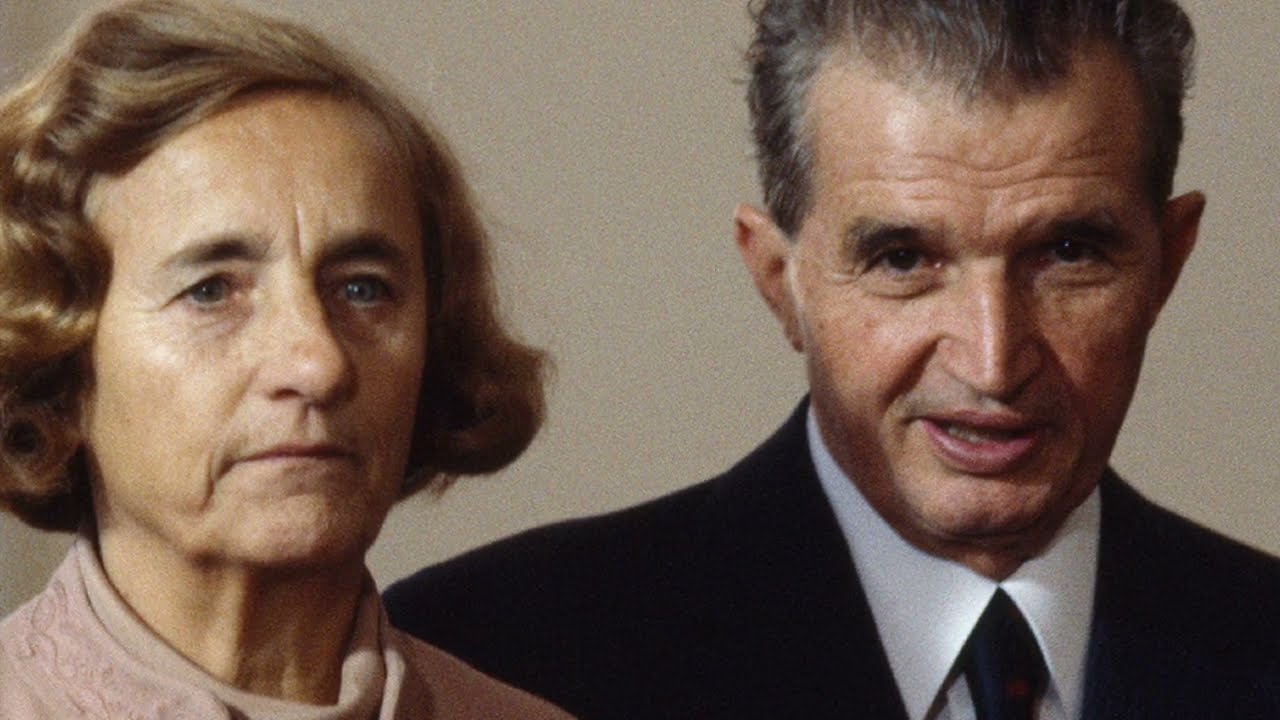 When the previous leader died, Ceaușescu seized the moment, installing himself as the head of the Communist Party and, subsequently, as the dictator and head of state. He was determined to break free from the Soviet Union’s influence, pulling Romania out of the Warsaw Pact and speaking out against Soviet incursions, a move that earned him some Western sympathy but did nothing to alleviate the suffering at home.
His regime was defined by its oppressive nature. The secret police, the Securitate, were given free rein to suppress dissent. Anyone who dared to criticize the dictator or his wife was rounded up, thrown into harsh prisons, and subjected to torture.
Ceaușescu tolerated no opposition, and his paranoia was matched only by his wife’s ambition. Elena Ceaușescu was a sharp-tongued, power-hungry woman who stood beside her husband not just as a spouse but as a co-ruler. She became the first Deputy Prime Minister in 1980, and her influence was so pervasive that she was often referred to as the “Mother of the Nation.”
Together, they formed a formidable and ruthless duo, but their downfall was as dramatic as their rise.
The spark that ignited the revolution came on December 16, 1989, in the city of Timișoara. What began as a protest against the planned deportation of a Hungarian priest quickly morphed into a broader condemnation of the government. The crowds grew, buildings were set ablaze, and the police responded with tear gas, water cannons, and brutal beatings.
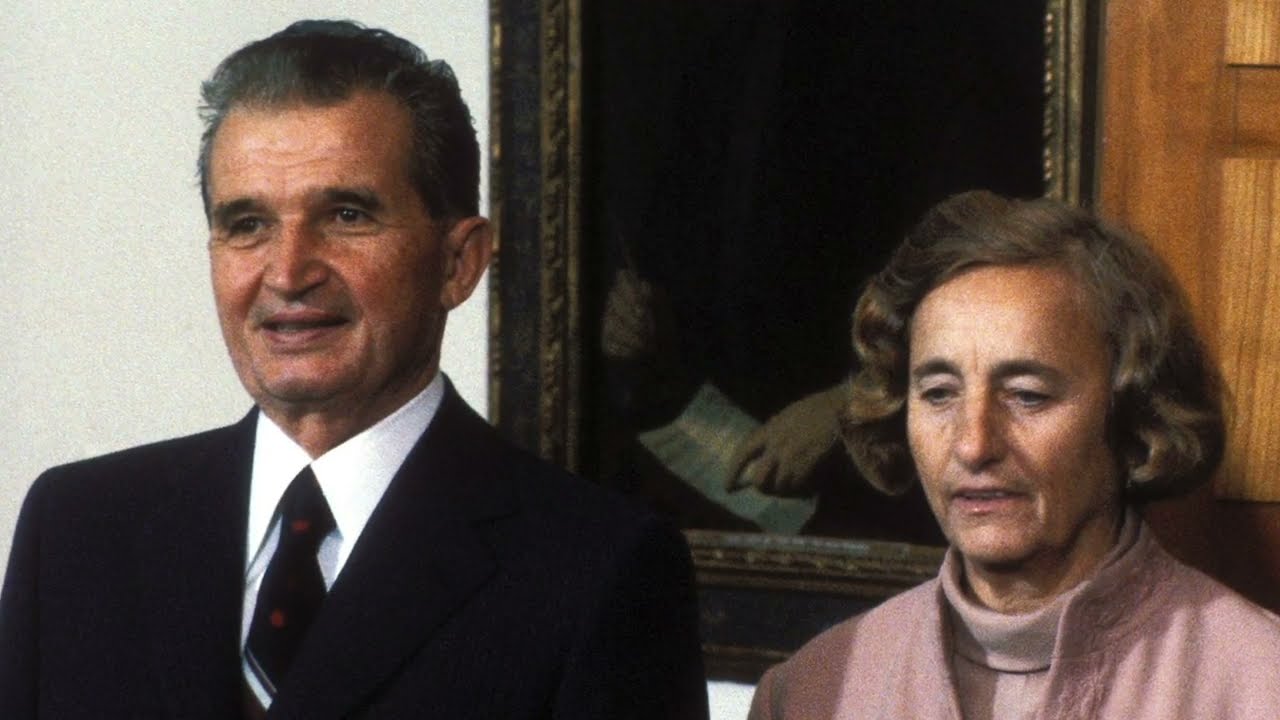 The unrest spread like wildfire, and even the army, sent in to quell the chaos, ended up firing on the protesters. The streets ran with blood, but the people were not deterred. They were fueled by a desperate rage, a desire to end the tyranny that had crushed them for so long.
Ceaușescu, realizing the severity of the situation, made the fateful decision to leave for Bucharest, leaving his wife Elena in charge of ending the disorder. Martial law was declared, and a curfew was imposed, but nothing could stop the momentum of the revolution.
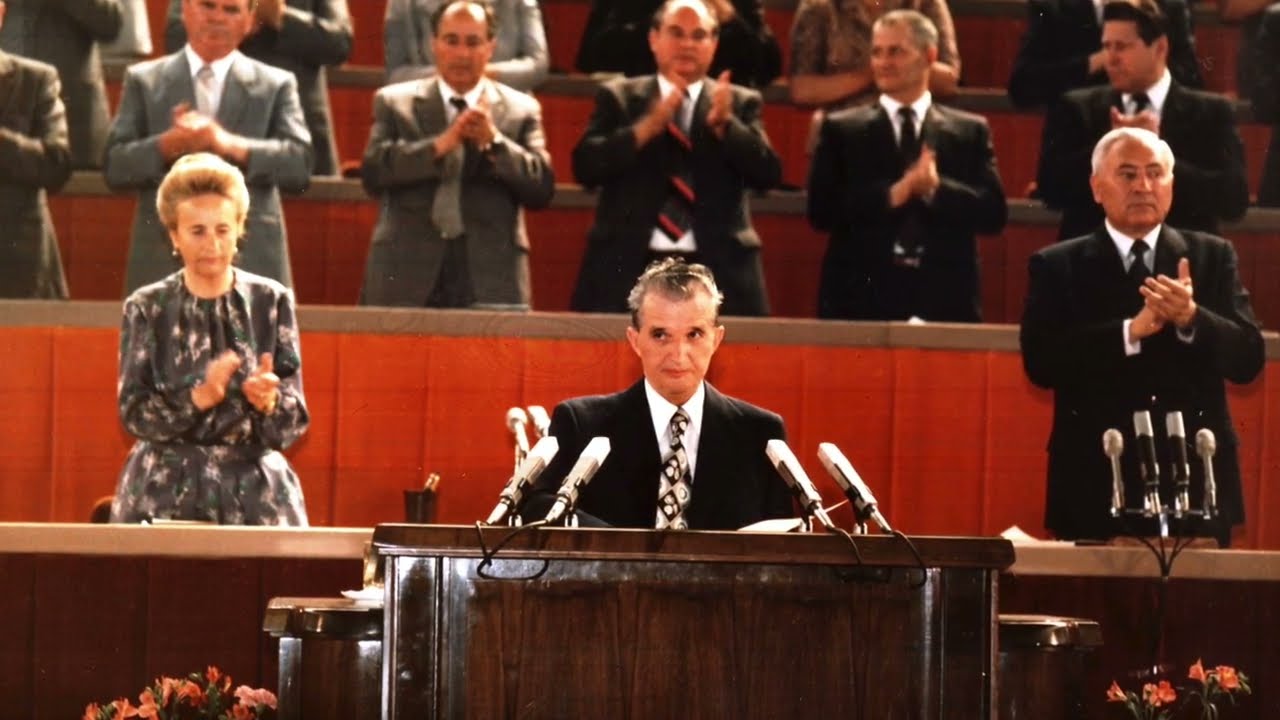
On December 21, Ceaușescu attempted to stage a rally in Liberty Square, hoping to reassert his authority. A crowd of 100,000 people was brought in to hear him speak, but the atmosphere was tense. As he began his speech, hecklers booed, and shouts of “Revolution!”
rang out. The dictator looked shaken, his confidence crumbling as the crowd turned against him. Gunshots or fireworks were heard, causing further panic.
The security services opened fire on the protesters, creating chaos and terror. Some in the crowd were run over by security forces, others were stabbed. Ceaușescu was forced to retreat back into the building, visibly pale and terrified.
 The regime was collapsing around him, and there was nowhere left to run.
The couple’s escape attempt was a desperate, chaotic scramble. They were evacuated by helicopter, but the pilot later recounted the sheer terror of the moment. The rebels had broken onto the roof of the building, and the Ceaușescus were practically carried by their bodyguards, looking as if they were fainting, white with fear.
The helicopter was only supposed to carry four passengers, but they squeezed in six, with Elena and a security officer crammed between the chairs and the door. They landed in Snagov, but the unit commander there told them they were on their own. Loyal security forces tried to get them away, but it was futile.
They were seized by local police and taken to a military compound in Târgoviște, where their fate was sealed.
The trial was a sham, a swift and predetermined 𝒶𝒻𝒻𝒶𝒾𝓇. The Ceaușescus were given no time to prepare a defense. They were accused of genocide, of slaughtering 60,000 people, of subverting the state by ordering the army to fire on their own citizens, and of destroying the national economy.
Nicolae and Elena tried to defend themselves, but their protests were ignored. They were found guilty on all charges and sentenced to death. The execution was carried out immediately, a brutal and bloody end to a brutal and bloody regime.
For the people of Romania, the death of Nicolae Ceaușescu was a symbol of liberation, a final reckoning for the man who had caused so much suffering. The firing squad’s bullets did not just 𝓀𝒾𝓁𝓁 a dictator; they killed an era of oppression, leaving behind a nation scarred but finally free to rebuild from the ashes of its shattered past.