James Cagney was born James Francis Cagney Jr. on July 17, 1899, in New York City’s Lower East Side, where money was scarce and life was tough. His Irish American family lived in cramped quarters while his father worked odd jobs and his mother raised seven children. From an early age, he learned resilience and ambition, traits that would define both his character and his career.
Though he briefly attended Columbia University, his true passion was performing. He started as a dancer in vaudeville, then moved to stage acting, and eventually caught Hollywood’s attention as silent films gave way to talkies. At Warner Brothers Studios, his fast-talking, streetwise personality made him a star. His breakout role came in 1931’s “The Public Enemy,” where he played a ruthless gangster.
The film’s unforgettable grapefruit scene became one of Hollywood’s most iconic moments. Yet offscreen, Cagney was nothing like his tough-guy image. He was known as gentle, disciplined, and deeply devoted to his family. Throughout the 1930s and 1940s, he starred in both gritty dramas and light-hearted comedies, showing remarkable range.
His role in 1938’s “Angels with Dirty Faces” was hailed for its emotional depth, while 1942’s “Yankee Doodle Dandy” showcased his dancing and singing, earning him the Academy Award for Best Actor. Even after stepping away from acting in the 1960s, he made a brief return in 1981’s “Ragtime,” earning praise once again. By then, he was already considered one of Hollywood’s greatest legends, a title later confirmed when the American Film Institute ranked him eighth among classic cinema’s top male stars. Cagney’s personal life was as stable as his professional one was dynamic.
He met his future wife, Frances Willard “Billie” Vernon, while performing in a stage musical in 1920. They married two years later and stayed together for more than 60 years, a rare and enduring Hollywood marriage. Though they had no biological children, they adopted a son and daughter, building a family centered on loyalty and love. Despite his fame, Cagney avoided the Hollywood social scene, preferring the quiet of his New York farm.
He loved painting, horseback riding, and nature far more than the limelight. But his family life wasn’t without heartbreak. His son, James Cagney III, died suddenly of a heart attack in 1984 after years of estrangement, a loss that deeply affected him. His daughter Kathleen also became distant from him in his later years, reflecting private pain he often kept hidden.
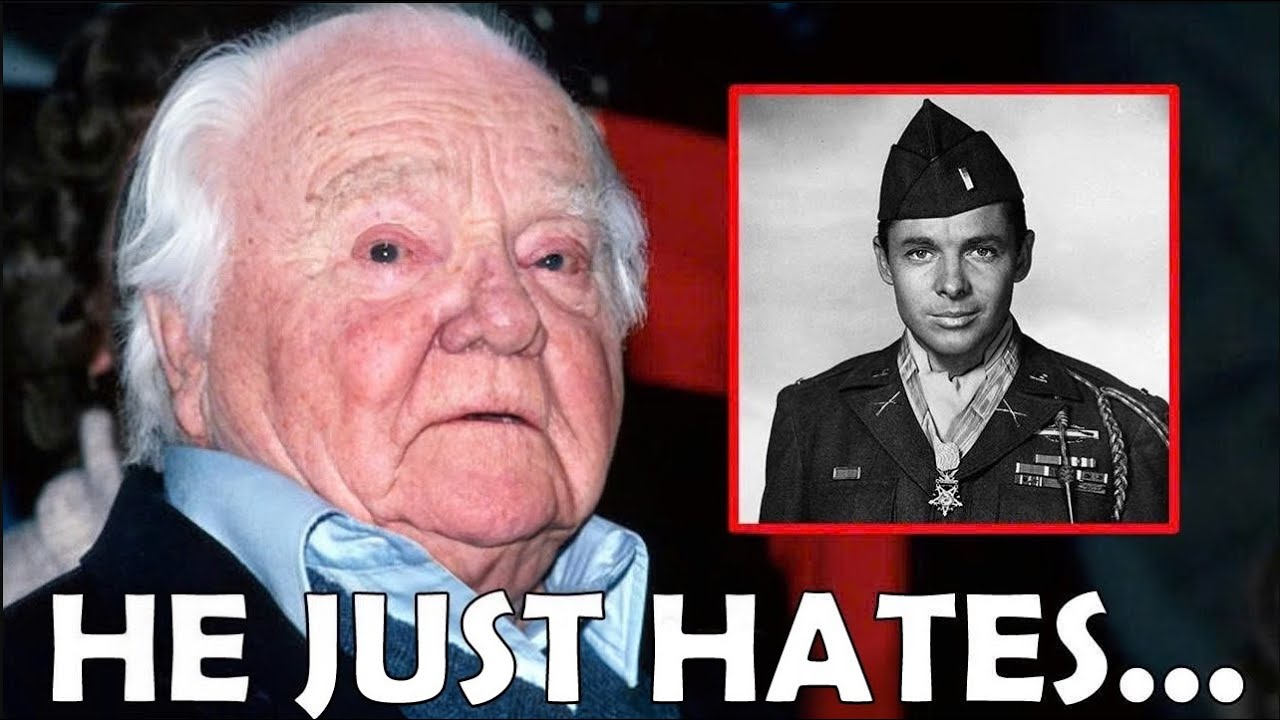
Cagney’s beliefs sometimes clashed with Hollywood’s commercial side. His admiration for the craft of acting made him critical of stars he felt relied more on fame than skill. One such figure was Audie Murphy, the celebrated World War II hero who turned to acting after the war. While Cagney respected Murphy’s bravery, he resented how studios glorified him as a star despite what Cagney saw as limited acting ability.
“Being brave on the battlefield doesn’t make you a master of the screen,” he once said. For Cagney, acting was sacred. It required honesty, emotion, and depth, not just celebrity. His remarks weren’t rooted in personal hatred but in his belief that Hollywood was losing its artistic integrity by promoting fame over talent.
He saw Murphy’s career as a symbol of that decline, arguing that when studios cast war heroes for their image rather than ability, they insulted audiences and disrespected the art form. In his final years, Cagney lived quietly on his farm in Dutchess County, New York, far from Hollywood’s glitter. He died of a heart attack on Easter Sunday, March 30, 1986, at the age of 86. His passing marked the end of an era for classic Hollywood.
His funeral, held at St. Francis de Sales church in Manhattan, was attended by family, friends, and admirers who celebrated not just a movie legend but a man of integrity and conviction. To many, he was more than an actor. He was a craftsman who elevated film to an art form, a man who valued truth over fame.
His life and words left behind a timeless reminder that while celebrity fades, genuine artistry endures.