Dick York, the beloved actor who charmed millions as Darrin Stephens on the hit sitcom Bewitched, died penniless and dependent on welfare after a devastating on-set injury and a harrowing battle with addiction destroyed one of television’s most promising careers, according to a comprehensive account of his life and struggles.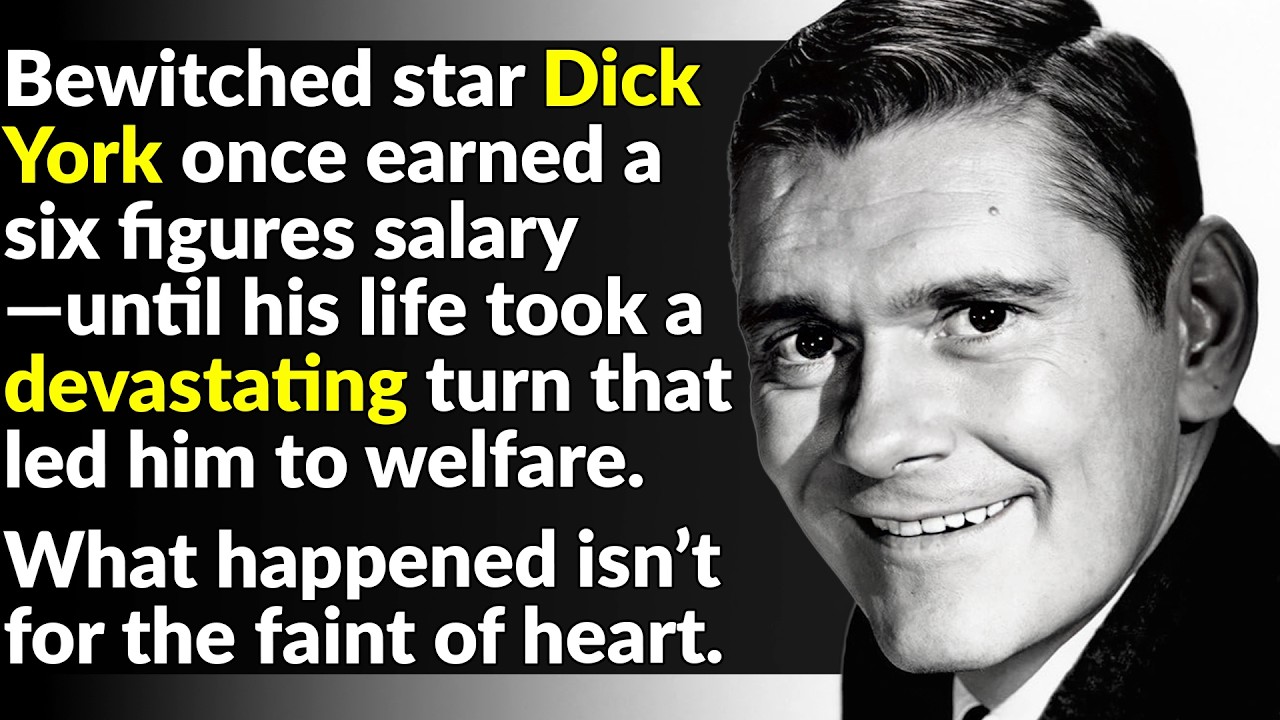
York, who was born in September 1928 and rose from crushing Depression-era poverty to become one of the most recognizable faces on American television, passed away in 1992 at the age of 63, but the cause of his death was not the catastrophic back injury that had derailed his career decades earlier. Instead, he succumbed to emphysema, the result of a chronic smoking habit that plagued him throughout his life.
The story of York’s meteoric rise and heartbreaking fall is one of almost unimaginable hardship, brief but dazzling triumph, and a long, painful decline that left the actor cleaning apartments he once owned and collecting his first welfare check in 1976.
Born Richard Allan York, the future star endured a childhood of extreme deprivation during the Great Depression. His father, a salesman, and his mother, a seamstress, frequently found themselves out of work and out of money. The family was so poor that young York sometimes had to stay home from school to ensure the landlord did not lock his family out of their home.
He witnessed his father dumpster dive for food scraps and, in scenes of desperate brutality, fight other men over garbage.
Despite these circumstances, York maintained a cheerful disposition and found solace in song. A nun who recognized his beautiful soprano voice arranged for him to receive vocal training, which led to his enrollment at the prestigious Jack and Jill school for radio and stage actors. His career took off with unusual speed.
By age 15, he had his own radio show, That’s Brewster Boy, and he was soon landing lead roles in radio dramas.
It was through his radio work that he met Joan Olt, another child star with big dreams. They married in their early twenties, beginning a partnership that would endure unimaginable trials. York’s success carried him to New York City, where he won pivotal roles in Broadway productions like Tea and Sympathy and Bus Stop, and then to television, where he worked alongside legends including Joanne Woodward, Jack Lemmon, and Glenn Ford.
Everything seemed to be going right for York until he accepted a seemingly routine role in the 1959 film They Came to Cordura. It was on the set of that production that his life changed forever. In a 1991 interview, York recounted the moment that would ultimately cost him his health, his career, and his financial security.
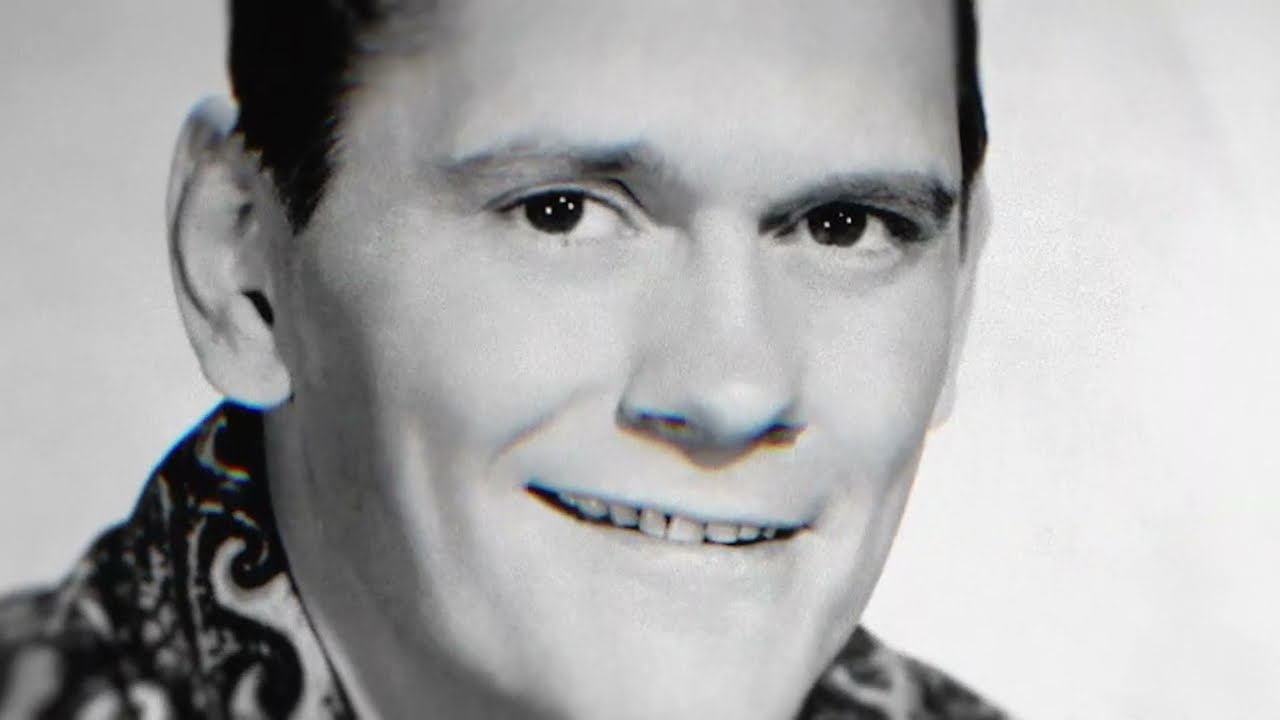
York explained that on the second-to-last day of filming, he and co-star Gary Cooper were propelling a handcar carrying wounded men down an abandoned railroad track. As they passed the camera, York was on the bottom stroke of a teeter-totter mechanism that operated the handcar. When director Robert Rossen yelled cut, one of the extras playing a wounded man reached upward and grabbed the handle.
Suddenly, York found himself lifting not a harmless prop but a real man weighing 180 pounds.
Under the added strain, York gave one final pull. The muscles along the right side of his back tore. They snapped and let loose, he recalled.
The injury was sudden and severe, but its effects would prove chronic. The torn muscles affected his spine, condensing his discs. That was the start of it all, York said.
The pain, the painkillers, the addiction, the lost career.
Despite the crippling injury, York landed the role that would define his career: Darrin Stephens on ABC’s Bewitched, starring opposite Elizabeth Montgomery. The show catapulted him to unparalleled fame, but it did the opposite for his back. To cope with the excruciating pain and continue working, York consumed large quantities of painkillers.
According to sources, he was often so loopy from his medication that it affected his interactions with co-stars, including Montgomery.
As the show’s popularity grew, so did the pressure on York to smile through his agony. Eventually, his prescribed painkillers were not enough, and he began topping off his pain relief with copious amounts of alcohol. Despite his struggles, York helped define a hit series, and after three seasons, the network refused to cancel the show even as Asher and Montgomery were ready to move on.
Ratings were at all-time highs.
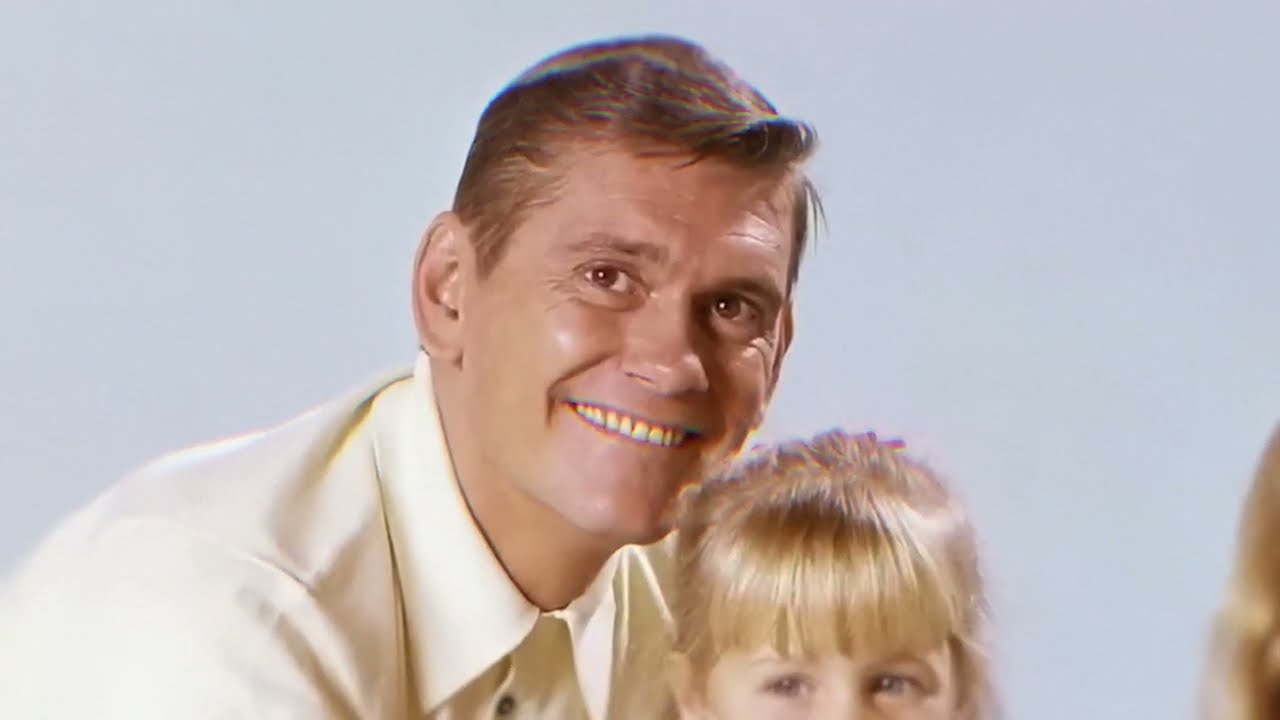 But York’s back injury would have the final say. In the middle of filming, he unexpectedly collapsed and fell to the floor. He was hospitalized, and while there, he learned his already desperate health situation had worsened.
Bewitched director William Asher asked him the brutal question: Do you want to quit? York’s reply was heartbreaking. His body was tired, and he had physically acted until he could act no more.
If it’s all right with you, Billy, he responded.
ABC replaced him with another actor, Dick Sargent, but the swap devastated audiences who had no idea York had been suffering silently for years. The network and show runners had been so concerned about his health that they had practically written him out of the show before his collapse. After he left, the show’s ratings dropped 13 places, and Bewitched was never the same.
York spent the 18 months following his collapse wallowing in self-pity, confined to his bed and lost in a haze of prescription painkillers. The physical pain was so severe that it messed with his mind. I had a band playing in my head, he recalled.
Bagpipes night and day. It just went on and on and on and on. His hallucinations were sometimes so severe that he was a danger to himself and those around him.
His wife, Joan, once had to put her hand in his mouth to stop him from biting off his own tongue.
York decided to quit painkillers cold turkey and moved back in with his mother to prevent his children from witnessing his terrifying withdrawal symptoms. Remarkably, it worked. Years later, he found the strength to write about his injury and the darkest chapter of his life in his posthumous memoir, The Seesaw Girl and Me, which read more like a love letter to Joan, who stuck with him through every trial.
Out of work and needing to provide for his family, York and Joan invested their savings in a West Covina apartment building. But the venture was doomed. York’s empathy prevented him from being a ruthless landlord.
When tenants struggled to pay rent, he was lenient and never evicted them. He paid a high price for his kindness. He failed to make his mortgage payments and lost ownership of the building, managing to keep only one apartment by taking a 𝓈𝒽𝓸𝒸𝓀𝒾𝓃𝑔 job as a cleaner in the building he once owned.
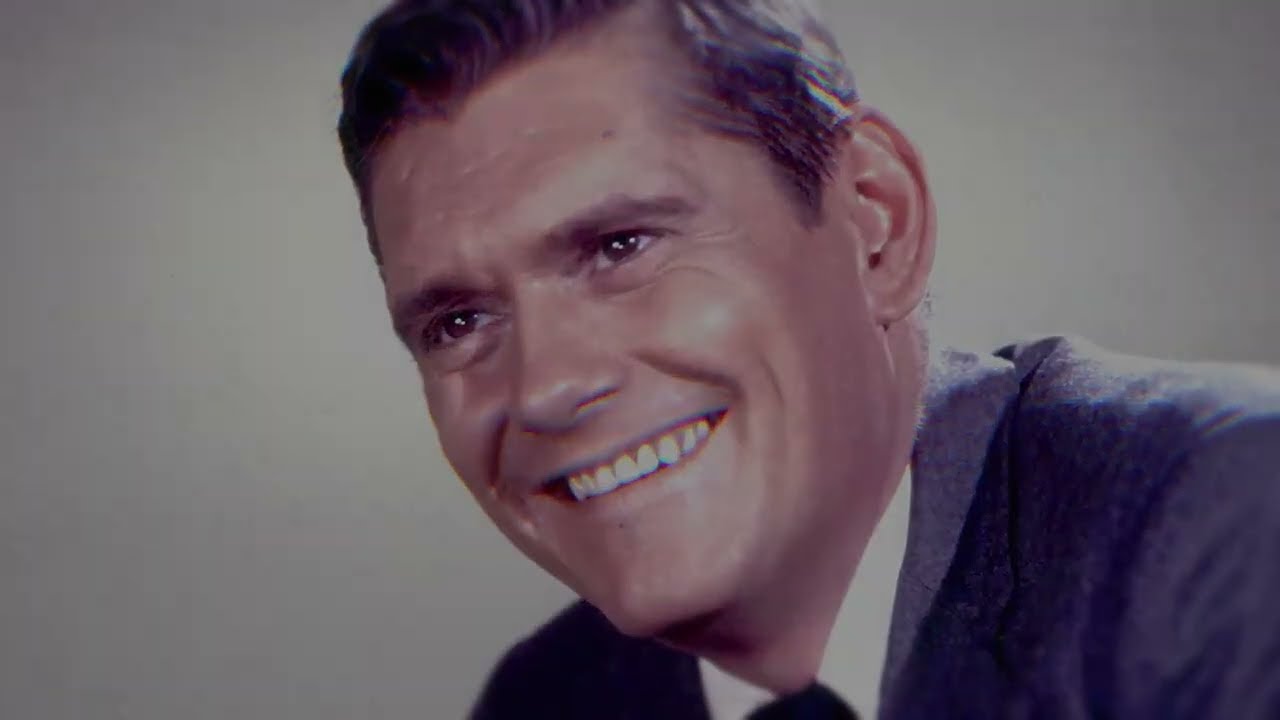
In 1976, he hit rock bottom, collecting his very first welfare check. You can be Dick York one day and the next day, you can be Dick York without any teeth in his mouth, cleaning apartments, accepting welfare, going down to the unemployment office, going out on jobs, he reflected. I couldn’t even get a job directing the school play.
In the early 1980s, York attempted a comeback with roles on Simon and Simon and Fantasy Island. But opportunities dried up for a devastating reason: his agent had neglected to register him with the Screen Actors Guild. York retired from acting altogether.
As his health deteriorated past the point where he could work or even get out of bed, he proved how unbreakable he truly was. Confined to his bed, he picked up his phone and started a charity helping the homeless, even as his own financial situation grew dire.
York died in 1992 at age 63, not from his back injury but from emphysema. Even with everything he suffered, he remained generous and full of heart. I’ve been blessed, he said.
I have no complaints. I’ve been surrounded by people in radio, on stage, and in motion pictures and television who love me. The things that have gone wrong have been simply physical things.
York’s only expressed regret was that he never got the chance to finish Bewitched. The weight of that regret was crippling, but it never extinguished his spirit. His story serves as a stark reminder of the human cost behind television’s brightest smiles and the enduring strength of a man who lost everything but never lost his heart.