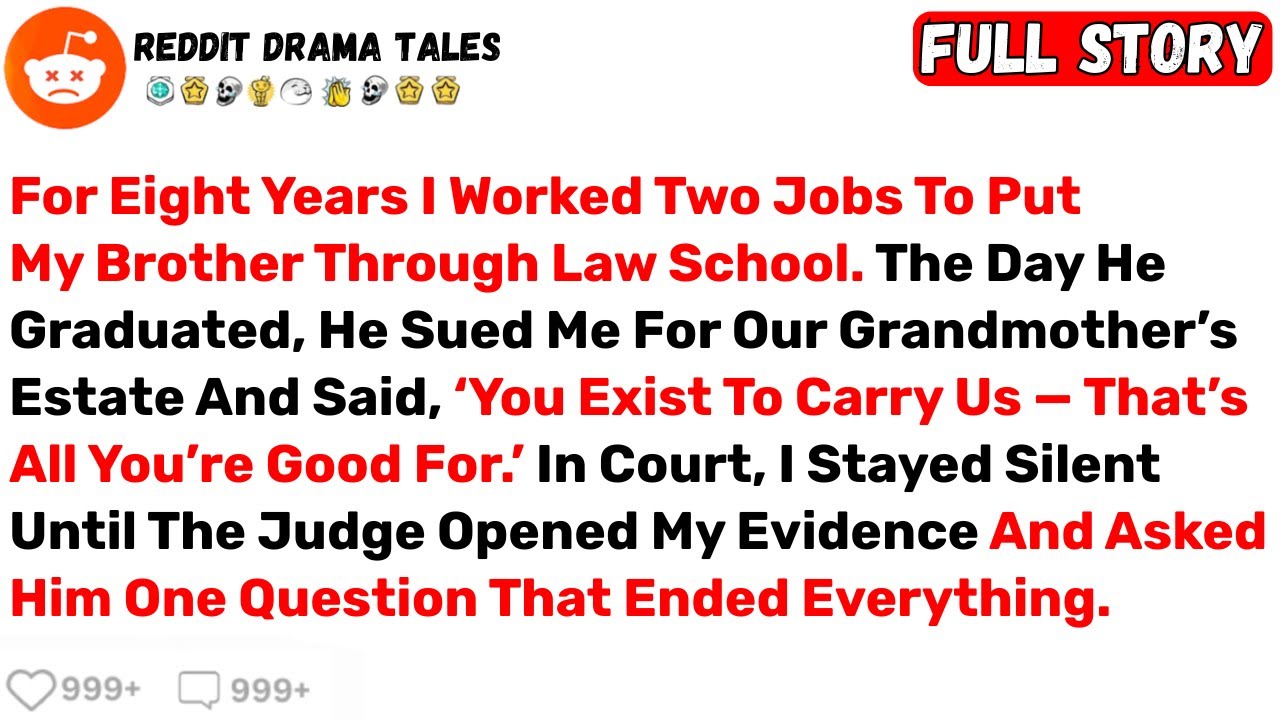
私の名前はケビン。32歳。普段、自分の家族のことをネットに書くような人間じゃない。でも、あの出来事が全部終わった今、どうしても書き出しておきたい気持ちがある。この8年間を自分の中で整理するために。それとも、ただ単に、踏み台にされて、使われて、捨てられた事実から、もう逃げたくないだけなのかもしれない。どちらにせよ、この話は、私が24歳のときに交わした約束から始まって、法廷で裁判官がたったひとつの質問をしたことで、弟が二度と口を開けなくなった場所で終わる。
私の家は、期待が重くて、愛情に条件がついて、犠牲が認められることなんてほとんどない、そんな家庭だった。両親は昔気質で、厳しくて、世間体を何より気にする人たちだった。父は建設現場で働いていたけど、腰を悪くして障害者手当をもらう身になり、母は家で託児所を開いて家計を助けていた。決して貧しくはなかったけど、どのお金もやりくりが必要だった。それでも、彼らは末っ子のジェレミーに大きな夢を託していた。
ジェレミーはいつだって金の卵だった。毎年新学期には新しい靴を買ってもらえた。テーマのある誕生日パーティー、成績が落ちれば家庭教師。一方、私がもらえるのは、いつもお下がりばかり。不公平だと言いたいわけじゃない。ただ、そういう家だったんだ。私は彼のお古を着て、自分の車を買うまでは免許すら取らせてもらえず、16歳からパートの仕事を始めた。両親は決まって言った。「あなたは強いから、ケビン。大丈夫よ。ジェレミーは違うの。あの子はもっとサポートが必要なの」
24歳になった頃、私はふたつ仕事を掛け持ちしていた。昼は配達ドライバー、夜は倉庫の在庫管理。睡眠はほとんど取れなかったけど、それでも続けた。なぜか? ジェレミーがロースクールに入ったからだ。両親には彼を助けるお金がなくて、彼にも奨学金はあったけど、学費、住居費、教科書代、生活費に何千ドルも足りなかった。そして、話し合いもほとんどないまま、それを私が何とかするのが当然みたいになっていた。
今でもはっきり覚えている、私が承諾した瞬間。静かな午後、日差しがブラインドの隙間から漏れて、ダブルシフトを終えたばかりの私は、冷めたピザをかじりながら必死に眠気と戦っていた。そこへ母が、ジェレミーの合格通知を金のチケットみたいに掲げて、隣に座ってきた。誇らしげで、期待に満ちた顔でこう言った。「入ったのよ。全日制で3年。手伝ってくれないか、ケビン? あの子が自分の足で立てるようになるまで」
そこに「お願い」という言葉はなかった。選択肢なんてない、と分からせるような口調だった。私はうなずいた。他に何ができたっていうんだ?
それから私は、彼のアパートの家賃、食料品、ノートパソコン、学期中の緊急の歯の治療代、私の月々の車の保険料より高い教科書代を支払った。シフトを増やし、フリーランスの仕事も請け、自分のアパートを持つのは後回しにして、祖母の家に家賃なしで住み続けた。朝8時に出勤し、午前1時に帰宅し、屋根裏のマットレスに倒れ込んで、また次の日を繰り返す。その間、ジェレミーはキャンパスライフを満喫していた。勉強会、インターン、ネットワーキングイベント、果てはマイアミへの春休み旅行まで。彼は一度も「ありがとう」と言わなかった。一度もだ。
最初は、彼もただストレスが溜まってるだけだと思おうとした。ロースクールは過酷だから、きっと余裕がなくて、私がどれだけやっているか気づいていないだけなんだと。彼のために言い訳をした。大目に見た。彼を誇りに思っていた。心から、いつか成功して、誰が彼をここまで連れてきたのか思い出してくれるだろう、と。
そんな中で、私がしていることに気づいていたのは、祖母だけだった。祖母は、この家での私の唯一の避難所だった。人を見透かすような鋭い目、鋭い舌、でも柔らかい手を持つ人だった。私が帰宅すると、夜中でも一緒に座って、自分は飲まないのに紅茶を淹れてくれた。「あなたは働きすぎよ」と祖母は言った。「そしてあの子は、それを当然だと思っている」私は肩をすくめて、「一時的なものだよ」と答えた。でも、心の奥底では、祖母が正しいと分かっていた。
その軽蔑は、一度に来たわけじゃなかった。じわじわと、少しずつ。最初は、私が送金するのが遅いとジェレミーが文句を言うようになった。次に、私が疲れていると言うと、彼が白い目を向けるようになった。食料品を届けると、「アーモンドミルク買わなかったの? 乳製品控えてるって言ったよね」と言う。15時間働いた後に夕食を届けた時は、彼はノートパソコンからほとんど顔も上げずに、「ソース忘れたよ。ソースなしじゃ食べられない」と呟いた。傷ついたよ。もちろん。でも、私は黙っていた。それでも顔を出し続けた。家族のためなら、そうするものだと思っていたから。
すべてが変わったのは、祖母が亡くなった週のことだ。祖母は体調を崩してからしばらく経っていたけど、頭はしっかりしていた。亡くなる前夜、祖母は私を部屋に呼んで、約束させた。「ケビン、あなたはこの家族を背負ってきた。私はあなたを守っておきたいの」その時は意味が分からなかった。ただ人生とか、忍耐について話しているのかと思った。でも、葬式の数週間後、遺言書が公開されて、すべてが崩れ始めた。
祖母は私に家を残してくれた。私が寝泊まりしていた屋根裏だけじゃない。家全体を。ローンは完済済みで、質素な2ベッドルームの平屋だったけど、悪くない地域にあった。そして、家族に内緒で隠していた少額の貯金口座も。約38,000ドル。「あなたの未来のために」と手紙には書いてあった。ジェレミーにも手紙があった。短いものだった。たった一言。「あなたは一度もありがとうと言わなかった」
彼は傷つくか、恥ずかしく思うかと思った。でも、その代わりに、彼は冷たくなった。遺言書の読み上げの最中、彼の目に、それまで見たことのない何かが光るのを見た。権利意識。怒り。不当に奪われたと思っているような。
その夜、彼は私を脇に連れて行って言った。「まさか、家をそのまま手に入れるつもりじゃないよね?」私は目を瞬いた。「どういう意味?」「君には必要ないだろ」彼は、それが決定事項であるかのように言った。「君は独身だし、子供もいない。僕はロースクールを卒業したばかりで、これから人生を始めるところだ。君はもう十分チャンスはあっただろ」
私は言葉を失って立っていた。私がしてきたすべてのことの後に、彼は私の遺産こそが自分のものだと思っているのか。そして、これはまだ始まりに過ぎなかった。
次の数週間は、嫌味なメッセージの応酬、私に「正しいことをするように」と迫る両親からの電話、そしてジェレミーからの仄めかすような脅しの連続だった。彼はまだ最初の仕事にも就いていないのに、もう弁護士みたいな口調で話していた。「技術的には、遺言書に異議を申し立てられる」と、ある緊迫した電話で彼は言った。「君は確かにそこに住んでいた。それは不適切な影響と見なされる可能性がある」私は笑った。馬鹿げていると思ったから。でも、その手紙が届いた。配達記録付きの、正式な文言の、訴状だった。ジェレミーは私を訴えていた。遺産の半分、家の価値の半分、貯金の半分を要求していた。祖母は遺言書を書いた時、精神的に正常ではなかった。私が祖母を操った。彼女の親切に付け込んだ。そして残酷なことに、私自身の財務記録を引用して、家賃を払っていなかったことが、祖母の住居を搾取して私腹を肥やした証拠だと言い張っていた。
それを読んで、手が震えた。彼がどうやって私の財務記録を手に入れたのかすら分からなかった。吐き気がして、裏切られた気持ちでいっぱいだった。さらに悪いことに、両親は彼の味方だった。「彼は自分の未来を築こうとしているだけなのよ」と母は言った。「あなたが裁判沙汰にしなくてもいいじゃない。ふたりで分けなさい。公平に」
公平。その言葉が頭から離れなかった。8年間、2つの仕事、休暇なし、社交生活なし、本当の休息なし。それなのに、私が欲張りだと言われるのか。
和解しようと思った。本当に、この争いを終わらせるためなら、と思った。でも、その時、ソースのことを思い出した。アーモンドミルクのことを。私をまるで配達人扱いした視線のことを。そして、祖母の声を思い出した。「あなたを守っておきたいの」
だから、和解しなかった。弁護士を雇った。いい弁護士を。物静かで、有能で、芝居よりも正義に投資する人を。私たちはゆっくりと、慎重にケースを築いた。領収書、テキスト、銀行振込記録、スクリーンショットを集めた。すべてを記録した。そして、裁判の日が来た時、私はその法廷に足を踏み入れた。いつも言われるがままに動いてきた疲れ切った兄としてではなく、利用されるのに飽きた者として。
法廷は小さく、こぢんまりとしていた。ジェレミーは私の車よりも高そうなスーツを着て、向かいに座っていた。彼の勝ち誇った笑みは、これが簡単に終わると考えていることを示していた。裁判官が私を見て、節くれだった手と安物の腕時計、色あせたシャツを見て、彼の味方をするだろうと。でも、裁判官がファイルを開いて、彼にひとつの質問をした時、すべてが変わった。
最初、質問の内容が聞こえなかった。ジェレミーの顔に気を取られていたから。なんてリラックスした表情なんだろう。腕をきちんと組み、ロースクールで何時間も鏡の前で練習したであろう、作り込まれた洗練された笑みを浮かべていた。外の世界には、彼は野心的で成功したプロフェッショナルに見えるだろう。でも、私には、雑用を逃れるために腹痛を装った子供であり、父の車の窓を割った罪を私に着せた思春期の少年であり、そして、私が彼の未来のために全エネルギーを注ぎ込んでも、一度もありがとうと言わなかった若者だった。
裁判官が咳払いをした。「ベネットさん」彼はジェレミーに呼びかけた。「あなたの兄が、3年間で64,000ドル以上をあなたの口座に送金しているとありますが、これらの支払いの性質を説明してもらえますか?」
法廷が静まり返った。ジェレミーは一度だけ瞬きした。まさかそんな質問が最初に来るとは思っていなかった、といった様子で。それから彼は席に座り直し、さりげなく言った。「手伝ってもらっていました。我が家ではそれがいつもの関係で。ケビンは昔から世話焼きなんです」
裁判官は微動だにしなかった。「つまり、そのお金を受け取ったことを認めるのですね?」「はい」「そして、それがあなたに、亡くなられた祖母の遺産の半分を請求する権利を与えると信じているのですか?」ジェレミーは引きつった笑みを浮かべた。「兄は何年もあの物件に家賃なしで住んでいました。毎日祖母に接する機会がありました。そして、彼女の年齢を考えれば、遺言書の作成に不適切な影響があったと考えるのが妥当です。私は単に、遺産の分配が公平だったかどうかを裁判所に考慮していただきたいだけです」
またその言葉だ。公平。まるでこれが公平さの問題であるかのように。裁判官は再び書類に目を落とし、私たちが提出した書類に目を通した。私が何時間もかけてまとめた、振込記録、食料品の領収書、医療費、家賃、キャッシュアプリのメモ。「あなたの電気代」「学費の支払い」といった言葉が書かれたメモを。ペンで机をトントンと叩いた。「では、もしあなたの兄がこの支援をしていなかったら」と裁判官はゆっくりと尋ねた。「あなたはロースクールを卒業できたと思いますか?」
ジェレミーは一瞬だけ躊躇した。しかし、その一瞬が決定的だった。彼は口を開き、ローンを組んだとか、働きながら通ったとか、何かもっともらしいことを言おうとした。しかし、彼が答える前に、私の弁護人、アルバレス弁護士が立ち上がった。「お許しいただければ、裁判長。学校の奨学金課からの裏付けとなる証言があります。原告は2年目までに奨学金と援助の上限を使い切っています。ケビン・ベネット氏の支援が、ジェレミー・ベネット氏が全日制で在籍を続けられた唯一の理由です」
ジェレミーの笑みが消えた。そして初めて、彼の目の奥に何かを見た。パニックだ。しかし、ここで話は終わらない。ここからが、亀裂が入り始めたところなのだ。
その日の審理は、裁判官が追加書類の提出を求めて休廷となった。外で、ジェレミーが駐車場まで私を追ってきた。彼は怒り狂っていた。「こんなことで、自分がヒーローになれると思ってるのか?」彼は声を潜めて怒鳴った。「レシートを並べ立てて、同情を勝ち取れるとでも?」私は何も言わなかった。彼はさらに一歩近づいた。「殉教者気取りたいのか? 好きにしろよ。でも、自分が祖母にただ乗りしてたって事実をなかったことにするなよ。あの家に無料で住んでたんだぞ。いいか、ケビン。お前は被害者じゃない」
何か言いたかった。本当に。でも、口が開かなかった。怖かったからじゃない。もう終わりにしたかったからだ。その瞬間、私の中で何かが切り替わった。スイッチが入ったように。人生で初めて、自分が説明する義務なんてないんだと気づいた。誰かに自分の意見を分かってもらうために懇願する必要も、私が何年も犠牲を払ってきたことを正当化する必要もない。私は車に乗り込み、何も言わずにその場を離れた。でも、心の中では、もっと大きなことを計画していた。
次の数週間は混乱だった。ジェレミーは攻撃を強めた。家族に一人ずつ電話をかけ、私が祖母を操り、家族から孤立させ、すべてを私に残すよう騙した、と吹聴し始めた。両親はもちろん、すべてを信じた。母がある夜、泣きながら電話をかけてきた。「ケビン、家の一部を彼に分けてやれないの? 家族でしょ。これで家族がバラバラになるのは嫌なの」バラバラ? 私は静かに尋ねた。「いつ僕が、その家族の一員だったっていうんだ?」彼女は答えなかった。代わりに父の声が電話口に変わった。「息子よ、分別を持て。独身で、子供もいない。どこかでアパートを借りればいいじゃないか。ジェレミーにはあの家が必要なんだ。家族を持とうとしている。彼がこれから始めるんだ」
その言葉は、予想以上に深く刺さった。彼の言った内容のせいではなく、その言い回しがあまりにも聞き慣れたものだったからだ。君は何とかなる。彼の方がもっと必要としている。君は強い。ジェレミーは違う。32歳になっても、彼らはまだ同じ台本を読んでいる。私は電話を切り、生まれて初めて彼らの番号をブロックした。
そして、祖母の遺品を整理し始めた。何か、法的にではなく精神的に助けになるものはないかと。すると、あの赤いフォルダーを見つけた。古い箪笥の引き出しの後ろに隠すように、ビニール袋に包まれて、「ケビンへ。必要な時にだけ使え」とメモが添えられていた。
手が震えながら開けた。中には記録、手紙、書類、遺言書の写しがあった。しかし最も重要なのは、音声記録だった。何十本も。どうやら祖母は、亡くなる前の数年、家の中での会話をこっそり録音していたらしい。「人は、年寄りが聞いていないと思っている時、何を言うか分からないからね」と祖母は一度言ったことがあった。冗談かと思っていたが、彼女は本気だった。
私は3晩かけてそれらの録音を聴いた。聴いた内容に、胃がひっくり返った。ジェレミーが祖母をまるで荷物扱いし、金をせびり、断られると怒鳴り、物忘れを嘲笑っていた。「覚えてないんでしょ? もうケビンに遺言書を書いてもらえば? 彼がお気に入りなんだから」
特にひとつの録音が印象的だった。祖母が亡くなる3か月前の日付だった。祖母の声は穏やかだが、確固としていた。「私は家をケビンに残すわ。あの子だけが、それを得る資格がある。ジェレミーは一度もありがとうと言ったことがない。あの子はただ取るだけ。そして、いつかあの子はケビンからも奪おうとするでしょう。あの子は心が優しいから、私が守ってあげない限り、自分からは戦わない」
息を呑んだ。暗がりの中で、何度も何度も祖母の声を聴いた。まるで折れた肋骨に巻き付くかのように。
翌日、録音をアルバレス弁護士に持っていった。彼女はしばらく無言で聴き終えると、ゆっくりと頷いた。「これで状況は一変しますね」
一方、ジェレミーは攻勢を強めた。ある日、仕事から帰ると、彼がポーチで行ったり来たりしながら、クリップボードを抱えて立っていた。「ここで何してるんだ?」と私が尋ねると、「査定だよ」彼は顔も上げずに言った。「見積もりを取ってるんだ。価値を分ける必要があるからな」私は言った。「お前はここに住んでないだろ」彼は嘲笑った。「君だって、厳密にはな」
それが限界だった。私は警察を呼んだ。彼は警官が来る前に立ち去ったが、私にとってはそれで十分だった。翌週、私たちは接近禁止命令を申請した。私の電話は鳴りっぱなしになった。いとこからの留守番電話、叔母からのテキスト。母は私の職場にまで現れて話そうとした。私はすべて無視した。私は人生ずっと、良い息子で、頼りになる兄で、後始末をして平和を保つ者であろうとしてきた。もうやめた。平和が自分の尊厳を犠牲にして得られるものであるなら、そんな平和はごめんだった。
裁判は3週間後に予定された。その間、ジェレミーは世論を勝ち取るための最後のキャンペーンを開始した。彼はフェイスブックに、裏切りについての長文の感情的な投稿を載せた。家族のためにすべてを犠牲にしてきたのに、愛する人々によって騙された、という内容だった。彼は私の名前を出さなかったが、出す必要もなかった。誰もが彼が誰のことを話しているか分かった。人々はコメントした。彼を擁護する者もいれば、沈黙する者もいた。しかし、ひとつのコメントが私の目に留まった。彼がロースクール時代に付き合っていた元彼女からのものだった。そこにはこうだけ書かれていた。「面白いわね。あなたが家賃を3年間払ってもらってたって話は、どうして書かないの?」ジェレミーは1時間後にその投稿を削除した。
そして、公聴会の前日、彼からテキストが届いた。たった一言。「後悔させてやる、ケビン」しかし実際のところ、私は後悔していなかった。なぜなら、彼が知らない、誰もまだ知らない、私が祖母の声をテープで持っている。記録された、正直な、痛いほど明確な声を。そして、裁判官が彼に尋ねた時、64,000ドルについて、録音について、ほぼ10年にわたって続いた権利意識のパターンについて尋ねた時、私は彼の顔が崩れ去るのを見た。
翌朝、堂々と胸を張って法廷に入り、復讐に燃え、弟が縮み上がるのを見る準備万端でいたと言えたらいいのだけれど、それは嘘になる。実際は、前夜ほとんど眠れなかった。胃が絡まり合って、息ができないほどだった。何時間もリビングを歩き回り、キッチンテーブルの上の証拠のファイルをじっと見つめていた。祖母の録音、送金記録、法的文書。そして、この騒動が始まって以来ずっと避けてきた質問を、初めて自分に許した。もし負けたらどうしよう。裁判だけじゃなくて、すべてを。現実的に考えよう。これは家やお金や遺言書の問題だけじゃない。これは私のアイデンティティ全体の問題だった。8年間、私は他人の未来のために自分自身を注ぎ込んできた。自分の夢、目標、健康、人間関係、心の平穏。すべてをジェレミーのために。もし裁判官が、それらのすべてが重要ではなかったと判断し、いくつかの法的な抜け穴とジェレミーのカリスマ性によってすべてがねじ曲げられ、消し去られてしまうなら、それは私が何なのかという問いになる。私は誰なのか? すべてを支える者という役割以外で。
午前2時、電気もつけずに、祖母の縁が欠けた古いマグカップで、冷めきった紅茶を手に座っていた。そして、何年かぶりに泣いた。怒りや悲しみではなく、ただの疲れ果て。究極の、心の底からの疲れ果てだった。これが私のどん底だった。訴訟や裏切りではなく、自分自身を犠牲にしていなければ、自分が誰なのか分からないという現実だった。
その朝、私は唯一のスーツを着た。少し大きめで、何年も前に受けて落ちた面接のために買ったものだった。鏡の前で襟を直していると、一瞬、笑いそうになった。ジェレミーは900ドルもするスーツと、ピカピカの靴、私の一か月分の食料品代よりも高い髪型で法廷に現れるだろう。私は、10年もの間、坂道を登り続けてきたような人間に見える。でも、初めて、自分の姿が嫌いだとは思わなかった。私がしてきたすべてのこと、すべての傷跡、顔の疲れたしわ、費やしてきたすべてのお金は、本物で、誠実で、懸命に稼いだものだった。そして、ジェレミーは、その静かな強さがどんなものか、まもなく思い知ることになる。
その日の法廷は、以前とは違っていた。ジェレミーはそれほど勝ち誇っていなかった。緊張しているように見えた。私の弁護士のブリーフケースを何度もチラチラと見ていた。新しいスーツは確かに鋭く見えたが、手はずっと袖口を引っ張ったり、ボタンを弄ったり、机を指で叩いたりしていた。鎧のように着込んでいたあのクールで磨かれた外面は、ひび割れ始めていた。そして私は、あまり多くを語らなかった。ただ、日付と内容で整理し、封印し、索引を付けた録音のフォルダーを裁判官に提出した時、部屋の空気が変わったのを見た。空気が重く、ゆっくりになった。
ジェレミーの弁護人は休廷を求めた。認められた。彼の崩落は、そこから始まった。まず、裁判官は録音を証拠として採用した。私の弁護人は、州の片方同意法の下で合法であることを証明し、証拠の保管連鎖を検証するなど、下準備をしっかりしていた。ジェレミーの弁護人はもちろん異議を唱えたが、覆らなかった。
それから、録音が一つ一つ再生された。法廷全体ではなく、裁判官の評議室でのみ。しかし、私たち全員に、そのくぐもった音が聞こえた。祖母の声。次に、ジェレミーの、甲高く、見下すような、残酷な声。金を要求し、彼女が気に入らないから贔屓していると非難し、光熱費を払えないと愚痴られると、いつかケビンから家を奪ってやる、と冗談めかして言っていた。私は彼の顔を見た。彼は瞬きせず、動かなかった。しかし、顎はどんどん強く噛みしめられ、歯を割るのではないかと思った。
それが彼の転落だった。しかし、私の上昇は、ひとつの劇的な瞬間には訪れなかった。それは静かに、ゆっくりと、次の数か月かけて訪れた。なぜなら、訴訟は、映画とは違い、一日で解決しないものだからだ。期日延期、交渉、書類提出要求、申し立て。精神的に疲弊し、費用もかかり、感情をえぐるものだった。しかし、私は耐え抜いた。勝つためでなく、癒すために。そして、そのゆっくりとした中断期間に、予期せぬことが起こった。私は生き始めた。本当に、生きることを。
約10年ぶりに、私は二つの仕事を掛け持ちしていなかった。倉庫の仕事はパンデミックの時に解雇され、それ以来、副業はしていなかった。最初は、それで自分が押しつぶされるかと思った。副業なし、休みなしの連続、ただの静寂。しかし、その静寂の中で、私は空間を見つけた。考えるための、呼吸するための、あまりにも長い間、責任の下に埋もれさせてきた問いを自分に投げかけるための空間。私は何を望んでいるのか? 自分自身のために、どんな未来を築けるのか? ジェレミーのためではなく。私は小さなことから始めた。祖母の裏のポーチを修繕した。彼女が何年も直そうと思っていたものだ。YouTubeのチュートリアルを見て、自分のお金で木材を買い、一枚ずつ交換していった。次にキッチンの水漏れする蛇口を直し、屋根裏にペンキを塗り、彼女の古いアルバムを整理した。どんなに平凡な作業でも、すべてが自分を取り戻す行為のように感じられた。
そしてある日、屋根裏から古いスケッチブックを引っ張り出した。高校時代、よく絵を描いていた。仕事と夜勤を掛け持ちし始めた頃にやめた。でも祖母はそのスケッチブックを、「ケビンの物。捨てるな」と書かれた箱に入れて保存していた。ページをめくると、下手なアニメのキャラクター、ファンタジーの城、ぎこちない自画像があった。笑ってしまった。そして、鉛筆を手に取り、またスケッチを始めた。最初は変な感じだった。忘れていた靴を履くように。しかし、すぐに正しい感じがした。毎晩、時には何時間も描き始めた。やがて、いくつかのページをスキャンし、デジタルで整えて、オンラインに投稿した。期待はしていなかった。ただ共有したかっただけ。しかし、人々がコメントし始め、いいねを押し、フォローし始めた。ある人がメッセージを送ってきて、コミッションを受け付けているか尋ねてきた。少額だった。カスタムイラスト1枚に50ドル。しかし、それは何年もぶりに、純粋に自分のために稼いだ最初のお金だった。それが私の中で何かに火をつけた。だから、続けた。小さなEtsyショップを開き、ちょっとしたフリーランスも始めた。一夜にして有名なアートインフルエンサーになれたわけではないが、ゆっくりと、静かに、誰の承認や許可にも依存しない、何か本物を築き始めていた。
夜には、新しく直したポーチに座り、祖母の欠けたマグカップで紅茶を飲みながら、隣の家の屋根の向こうに沈む陽を眺めた。コオロギの声を聞き、冷たい空気を感じ、失ったものについて考えた。しかしもっと重要なのは、得たものについて考えたことだ。境界線、自尊心、自分自身の未来のためのビジョン。私はもう家族の駄馬じゃない。ただのケビンだ。それで十分だった。
私が静かに再構築している間、ジェレミーは静かに崩壊しつつあった。噂は広まった。録音が漏れたのだ。おそらく、裁判所の誰かか、あるいはジェレミー自身の弁護人からだろう。いずれにせよ、音声は一部の親戚に渡り、次に共通の知人に回った。すぐに、人々は囁き合うようになった。そして、仕事のオファーは途絶えた。ジェレミーは司法試験に合格したが、事務所は次々と面接をキャンセルし始めた。「文化的適合性」が決まり文句になった。彼は私に直接何も言ってこなかったが、いとこから聞いた話では、インターンシップを2つ連続で失ったらしい。どうやら、彼の法廷での証言の書き起こしを、誰かが法律事務所にメールしたようだった。インターネットは決して忘れない。
そして、彼は必死になった。突然、彼からメッセージが届いた。二行だけ。「話そう。これを修復したい」私は10分間、それをじっと見つめた。返信はしなかった。なぜなら、その頃にはついに、これは私が修復すべき問題ではないと理解していたからだ。彼を、初めて、沈黙の中で座らせておけ。重荷を背負わせろ。
しかし、ジェレミーはまだ終わっていなかった。彼の次の一手は、ただの必死さではなかった。危険だった。自己愛性人格障害の人間がコントロールを失い始めると、彼らは暖を取るために家全体を燃やそうとする。私は、彼が物語の主導権を失ったと気づいた時、どこまでやるのか、まもなく知ることになる。
それを予見していたと言えたらいい。兆候に気づいていたと。沈黙、メッセージ、手遅れの和平工作。しかし、実のところ、私はジェレミーはもう終わったと思っていた。録音の流出、評判の失墜、裁判での敗北で、彼はついに引き下がると思った。しかし、ジェレミーのような人間は負けを認めない。自分自身の心の中では。彼らは物語を書き直す。ねじ曲げ、編集し、自分に都合の悪い部分を削り取る。そして、それでもダメなら、前より醜く反撃してくる。
だから、私が彼のメッセージに返信しなかった時、彼はそれを個人的な侮辱と受け取った。当然だ。それが、物事が起こり始めた時だった。最初は小さなことだった。ほぼ子供じみた。郵便受けが二度壊された。車の窓に、一晩のうちに謎のひびが入った。まるでレンチで叩かれたように。ある朝、私のトラックの側面に「泥棒」という文字が刻まれているのを見つけた。それはいつも、私を苛立たせ、時間と金を失わせるのに十分なだけの被害で、彼が犯人だと証明するには決して十分ではないものだった。警察に通報したが、何も進展しなかった。目撃者も防犯カメラもなく、ただの疑念と直感と、これはまだ終わっていないと告げる胸の圧迫感だけがあった。
それでも、私は冷静さを保った。彼が壊したものを修理し、塗り直し、反応しないようにした。なぜなら、私はすでにもっと大きな何かを計画していたからだ。
それは州の公文書館への訪問から始まった。最初は何を探しているのか分からなかった。多分、ただの決着か、答えか。しかし、心の片隅で、祖母が何か別のものを残していないかと思っていた。書類やメモ、あるいはもう一通の手紙。彼女はいつも几帳面で、境界性のパラノイア気味だった。紙の書類をすべて物理的に保管していた。デジタル記録は消去が簡単だと思っていたからだ。
私は何時間もかけて紙のファイルを調べた。古い固定資産税の書類、郡に提出した手紙のスキャン。ほとんどは普通のものだったが、その時、所有権移転書類を見つけた。彼女は遺言書で家を私に残しただけではなかった。亡くなるほぼ6か月前に、すでに所有権を私に移していたのだ。そして、そのファイルには、彼女が理由を説明した公証人の署名のある手紙が添えられていた。「私の孫ケビンは、10年以上私と暮らし、期待と引き換えにすることなく、介護、経済的援助、そして慰めを提供してきました。私は、私の死後の混乱を避けるため、所有権を早期に移転します。私のもう一人の孫、ジェレミーは、私の介護に関与しておらず、この不動産に対して金銭的な関心しか示していません」
日付があり、公証され、証人署名があり、正式に登記されていた。つまり、ジェレミーの訴訟全体は、完全に無効だったのだ。たとえ遺言書が無効になっても、それはないだろうが、この家はもはや遺産の一部ではなかった。それは私のものだった。合法的に、明確に。異議を唱える余地も、抜け穴も、グレーゾーンもなかった。
私は蛍光灯がチカチカする資料室で、この手紙を何度も何度も読み返し、心臓が高鳴るのを感じていた。これは保護だけではなかった。これはメッセージだった。祖母は知っていた。ジェレミーがどんな人間か、私よりも先に見抜いていた。そして、彼女は、私が彼女と共に築いたものを、彼に触れさせないようにしたのだ。これですべてが変わった。なぜなら、今や私には影響力があった。そして、初めて、自分の条件で戦うことができた。
私は所有権移転書類をコピーし、手紙をスキャンし、いくつものバックアップを作成した。ハードドライブ、クラウドストレージ、そして印刷したコピーをいくつか。弁護士用に一枚、自宅の金庫用に一枚、そして念のため自分のトラックにも一枚。それからアルバレス弁護士に電話した。彼女に発見を伝えると、間があり、それからゆっくりと、含みのある笑い声が聞こえた。「なるほど」彼女は言った。「それはかなりの切り札ですね」彼女は待つことを勧めた。ジェレミーに攻め続けさせ、自分で穴を掘らせる。そして、時が来たら、その所有権移転書類をハンマーのように叩きつける。しかし、私はまだ終わっていなかった。これはもう勝つことだけの問題ではなかった。暴くことの問題だった。
ジェレミーは嘘の上に自分のアイデンティティを築いていた。自分は独力で成功した金の卵であり、素敵な老いた祖母からたかっている無能な兄を尻目に、自力で這い上がってきた有能な弁護士だ、という物語。その物語が、インターンシップを獲得し、友人、教授、恋人、同僚を騙すために使われていた。私はそれを、徹底的に引き裂こうとしていた。
だから、私は法的文書だけでなく、物語、証言、証拠を集め始めた。彼のフェイスブックの投稿にコメントしていた元彼女に連絡を取った。最初は当然ながらためらっていたが、彼が何をしようとしているのか説明すると、彼女は心を開いた。結局、彼女は交際中に彼に約5,000ドルを貸していた。彼は一度も返さなかった。彼女は、返すと約束したVenmoの記録とテキストをまだ持っていた。彼女はそれを私に送ってくれた。彼に借金をして返済されなかった同級生も見つけた。最初のクラークシップが終わったら返すと約束していた相手だ。返済はなかった。その男は、それを証明するメールを持っていた。元ルームメイトにも連絡を取った。ジェレミーは家賃3か月分を踏み倒して、突然引っ越していったらしい。テキストにも返事をせず、金も送らなかった。少しずつ、私はパターンを組み立てた。ジェレミーは私からだけ取っていたのではない。誰からも取っていた。
そして、私はあることをした。後から考えると、ささいなことのようにも思えるが、戦略的でもあった。私はブログを始めた。最初は匿名で。「嘘の上に築かれて」というタイトルだった。私は自分の話を投稿した。事実だけ。名前も特定できる詳細もなく。ただ、二人の兄弟の物語。一人が他の一人のためにすべてを犠牲にし、もう一人が、稼いだことのない家をめぐって訴訟で返済する。私はスクリーンショットを含めた。匿名化されたが本物の、領収書、引用、日記の抜粋、許可を得た証言。時系列を示した。数字を示した。
それはバイラルにはならなかったが、静かに広まった。数十のシェア、次に数百。法律系のサブレディットが取り上げ、ロースクールの学生フォーラムで議論された。あるユーザーは「このジェレミーって奴が誰であれ、裁判官がぶっ潰してくれることを願う」とコメントした。私は返信しなかった。その必要はなかった。なぜなら、私はインターネット上の共感よりももっと良いものを持っていたからだ。計画を持っていた。
再び裁判が近づいていた。ジェレミーはまた別の申し立てを提出していた。今回は、最終判決が出るまで遺産資産を凍結しようというものだった。引き延ばし戦術だが、私たちを再び法廷に立たせるものだった。それが、アルバレス弁護士がゴーサインを出した時だった。「公にしましょう」彼女は言った。「あなたは隠すものは何もない」そこで、私たちは却下申し立てを提出した。その申し立てに添えて、公証された所有権移転書類、祖母からの手紙、領収書、そして訴訟費用、損害賠償、悪意のある訴追に対する制裁を求める反訴も提出した。
私たちは公聴会の2日前に彼に送達した。そして、彼は切れた。私はすぐには知らなかったが、その週の後半、家に帰ると玄関のドアが大きく開いていた。凍りついた。ドアは激しく蹴破られていた。ポーチには木片が散乱し、家具はひっくり返り、引き出しは床に投げ出されていた。ノートパソコンがなくなっていた。バックアップに使っていた外付けハードドライブも。最初はパニックになった。すべて失われたと思った。しかし、ジェレミーは間違いを犯した。給湯器の後ろにテープで貼ってあった封筒、完全なバックアップが入った封筒を見つけられなかった。また、私の最も重要なファイルがローカルに保存されているのではなく、どこにも物理的に書き留めたことのないパスワードで保護された暗号化クラウドストレージに保存されていることに気づかなかった。
私は警察を呼び、通報した。対応した警官が容疑者はいるかと尋ねた。私は彼の名前を出さなかった。出す必要がなかった。2日後、見知らぬ番号からテキストが届いた。「本当に勝ったと思ってるのか? お前には何が来るか分かっていない」それが彼の最後の過ちだった。なぜなら、私はそれを直接裁判官に伝えたからだ。そして、次の公聴会はもう家の問題だけではなかった。彼の問題だった。そして、私はまだ最後のカードを使っていなかった。祖母が残した、もう一つの録音があった。まだ提出していないもの。法廷を完全に沈黙させることになるもの。しかし、私はそれを完璧な瞬間のために取っておいた。ジェレミーがまだ望みがあると思っている瞬間。彼が法廷に立ち、最後の嘘をつく瞬間。そしてついに、私がこう言うために。「テープを流してください」
それは一気には起こらなかった。復讐。本当の復讐。気持ちが良くて、しかも永続する復讐。爆発の中では起こらない。それは、小さな、意図的な決断の連続の中にやってくる。制御され、忍耐強く、声を荒げることなく、容赦ない。
最後の裁判日は、灰色の木曜日の朝だった。前夜に雨が降り、裁判所の駐車場は水浸しで、ほとんど人はいなかった。私は早めに着いて、しばらくトラックに座って、建物を眺めていた。手は震えていなかった。頭は明晰だった。緊張もしていなかった。もう怒りさえしていなかった。私は準備ができていた。
中に入ると、法廷はゆっくりと埋まり始めた。弁護士のアルバレス弁護士が、小さくうなずいて挨拶してくれた。「彼は来ていますよ」彼女は簡潔に言い、私の後ろを見た。振り返ると、ジェレミーが弁護人を連れて入ってくるところだった。しかし、彼は以前とは違って見えた。しぼんでいた。髪は伸び放題で、姿勢は少し猫背で、かつては完璧だったスーツも、今はしわくちゃで疲れ果てて見えた。勝ち誇った笑みも、尊大な態度もなく、ただ目の奥の緊張だけがあった。何か月も、崩れ続ける公のイメージを接着剤で繕おうとしてきた男のような。
裁判官が入廷した。全員が起立した。審理が始まった。ジェレミーの弁護人は、誤解について、家族間の緊張について、ジェレミーは常に誠意を持って行動してきただけだと、スピーチを始めた。彼は、正当な遺産を奪われ、ただ公平さを求めているだけの男の絵を描いた。それは空虚だった。部屋の誰もがそれを感じ取っていた。
次は私たちの番だった。アルバレス弁護士は芝居をしなかった。証拠に語らせた。彼女は所有権移転の完全な文書、公証された手紙、財務記録、そして私たちの却下申し立てを提出した。それから、訴訟費用、損害賠償、悪意のある訴追に対する反訴を提出するため、冷静に進行した。裁判官はすべてを黙って検討した。そして、ジェレミーを見た。「ベネットさん」彼は言った。「この不動産がもはやあなたの祖母の遺産の一部ではないことを示す明確な書類があるにもかかわらず、あなたがこの訴訟を続けたことを、私は非常に憂慮します。私は被告側の却下申し立てを認める方向です」
ジェレミーは席で身じろぎした。口を開けた。そして、私は思った。これだ、と。彼はまだ、話せば逃げ切れると思っている。「所有権が移転されていたことは理解しています」彼は言い始めた。「しかし、もし私が介護の取り決めに関する状況を説明できるなら…」彼は、ごまかし、哀れみを引き出し、話を曖昧にする準備をしていた。
私は裁判官を見た。「裁判長」私はゆっくりと立ち上がって言った。「お許しいただけるなら、もう一点だけ証拠を提出したいのですが」裁判官はうなずいた。私はブリーフケースに手を伸ばし、私の字で「12月14日、台所」と書かれた一本のUSBメモリを取り出した。裁判官が合図をすると、廷吏がノートパソコンを運んで来た。音声が再生され始めた。最初は静かで、ただの食器の触れ合う音。祖母の声。疲れているが、しっかりとした声。それから、ジェレミーの声。鋭く、横柄で、聞き間違えようのない声。「君の遺言書が何て言おうが、構わない。おばあちゃん、ケビンがねじ曲げるに決まってる。いつもそうだ。君は年寄りで、物覚えも悪い。まあ、俺が明日にでもあの家を取ったって、奴は許すだろうね。彼が強いと思う? 彼は弱いんだ。彼は俺たちを運ぶために存在してる。それだけの価値しかない」
間があった。それから、疲れているが、鋼のような祖母の声が言った。「それなら、そろそろ誰かがあなたを落とす時かもしれないわね」
法廷は静まり返った。ジェレミーの顔は青ざめた。彼の弁護人が何か囁いているが、彼は聞いていなかった。彼はただ座って、まるで足元の地面が開いたかのように瞬きしていた。裁判官は長い間彼を見つめ、それからアルバレス弁護士に視線を戻した。「却下申し立ては認める。被告は不動産の完全な所有権を保持する。反訴は審理を続行する」
パンッ。ガベルが叩かれた。終わった。
ジェレミーはゆっくりと立ち上がった。彼は私を見ようともしなかった。ただ向きを変え、顔を強張らせ、拳を握りしめて、法廷から歩き出た。何も言わなかった。
しかし、私はまだ終わっていなかった。外では、太陽が雲の切れ間から顔を出していた。私は裁判所の階段に立ち、彼が駐車場に向かって激怒しながら歩くのを見ていた。私は追わなかった。追う必要がなかった。なぜなら、復讐とは、法廷で彼を打ち負かすことではなかった。それは、その後に起こるすべてのことだった。
反響は、思ったより早く来た。2日後、ネットに話が広がった。誰かが裁判記録を私のブログにリンクした。いくつかの法律ニュースサイトも取り上げた。一面のスキャンダルではなかったが、ジェレミーにとって重要な界隈では波紋を広げるには十分な、静かで屈辱的なさざ波だった。インターンシップは取り消し。弁護士倫理審査が開始。ロースクールの教授たちは彼の行動を非難。かつての友人たちは公にフォローを外し、彼の元彼女たちもフォーラムで匿名でコメントし、それぞれの体験談を共有した。物語の主導権は、もはや彼の手にはなかった。
彼は反撃を試みた。オンラインで声明を発表し、家族のトラウマと誤解についての、曖昧な「謝罪ではない謝罪文」だった。しかし、誰も信じなかった。彼の名前は、インターネットの片隅で、特権意識と自己破壊の代名詞になった。
そして、私は。私は自分の家に帰り、ポーチに座った。壁を修復し、祖母と紅茶を淹れた台所にペンキを塗った。彼女を讃えて、小さな庭を作った。デイジーとチューリップ。彼女はチューリップが大好きだった。その近くに、手で磨き上げて染色したベンチを置いた。ベンチには、こう刻んだ。「強き者は背負う。されど、彼らにも休息が必要だ」
その後、人生が魔法のように変わったわけではない。金持ちになったわけでも、有名になったわけでもない。まだ請求書も、締め切りも、責任もあった。しかし、私は平和を得た。境界線を得た。そして、ゆっくりと、良い人々を自分の人生に入れ始めた。デザインスタジオを経営する旧友と再会し、私の絵を見せた。そこから話が進み、私は絵本のレイアウトコンセプト制作のパートタイムの仕事を始めた。派手な仕事ではないが、収入になったし、しっくりきた。私は、あのポーチを直したのと同じように、注意深く、一枚一枚、自分自身を再構築した。
ジェレミーからは、その後一度も連絡がなかった。最後に聞いたところでは、彼は州外へ移り、やり直そうとしているらしい。しかし、私は彼をよく知っている。彼はこれからも、自分に都合の悪い部分を洗い流そうと、新しいバージョンの物語を紡ぎ続けるだろう。好きにさせておけ。私はもう彼を背負わない。私のために指一本動かそうとしない人のために、私はもう自分を犠牲にしない。
そして今、このベンチに座り、コーヒーを手に、チューリップに日が当たるのを眺めていると、ついに自分の条件で人生を生きるとはどういうことかを思い出す。誰かの支えとしてでもなく、誰かのスケープゴートとしてでもなく、ただの私、ケビンとして。彼らが過小評価した男。彼らが利用した男。