Tragedy struck at the Nürburgring today as a multi-car crash resulted in the death of driver Juha Mäenpää, prompting an immediate suspension of the race. The incident unfolded just 30 minutes into the event, following a controversial penalty for Max Verstappen that altered the race dynamics significantly, leading to chaos on the track.
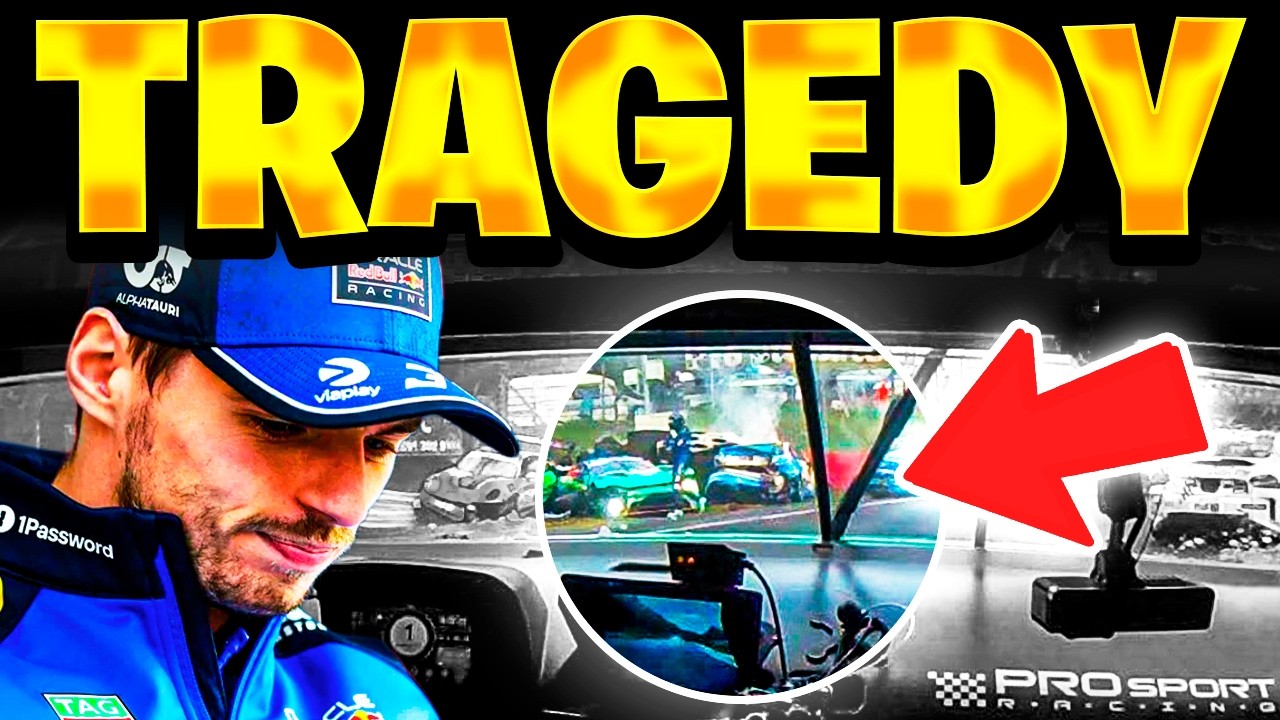
Verstappen’s three-place grid penalty, a consequence of an incident involving his teammate during qualifying, pushed him into a crowded mid-pack starting position. This critical decision transformed the race’s nature, exposing drivers to unpredictable traffic and high-speed risks. The Nürburgring, known for its challenging layout, became a battleground of survival rather than a showcase of skill.
The race began with an air of normalcy, but tension simmered beneath the surface. As drivers navigated the tight confines of the Nürburgring, the lack of visibility and heavy traffic created an environment ripe for disaster. Within just a few laps, the situation escalated dramatically.

At 17:55 local time, the race was abruptly halted with a red flag, signaling a serious incident. Reports soon emerged of a multi-car collision involving seven vehicles in Klostertal, one of the fastest sections of the track. The chaos that ensued left cars scattered and debris strewn across the racing line, making the scene hazardous for both drivers and emergency crews.
The urgency of the situation became apparent when helicopters were dispatched to the scene, indicating the severity of the injuries involved. As medical teams rushed to assist, Verstappen remained in the garage, anxiously awaiting updates on the unfolding crisis. The silence from race control only heightened concerns, as the absence of information often signals a grave situation.

As the minutes ticked by, it became clear that this was not merely a racing incident. The barriers had been breached, suggesting a catastrophic failure in safety measures. The combination of heavy traffic, reduced visibility, and high-speed commitment created a perfect storm for disaster, one that no driver could anticipate.

When the confirmation of Mäenpää’s death finally emerged, the gravity of the situation settled heavily over the event. The race was not just paused; it was over. In that moment, the competitive spirit of motorsport was overshadowed by the harsh reality of risk that drivers face every time they take to the track.
Verstappen, who had come to the Nürburgring seeking a challenge, was left to grapple with the stark contrast between his aspirations and the tragic outcome of the day. The Nürburgring, often referred to as the “Green Hell,” once again proved to be a place where danger lurks behind every corner, and the cost of racing can be devastating.
This incident serves as a sobering reminder of the inherent risks involved in motorsport. While drivers accept these dangers, the reality of a fatal crash underscores the fragility of life in the pursuit of speed and glory. As the motorsport community mourns, the questions surrounding safety and risk management on such perilous tracks will undoubtedly reignite discussions about the future of racing.