
Formula 1’s relentless development race has entered a dangerous new phase, with several of the sport’s biggest teams pouring resources into a revolutionary rotating rear wing that could dramatically reshape the championship battle. The concept promises a significant performance boost, but the technology has already become one of the most difficult engineering challenges of the season. Instead of delivering instant gains, it is exposing weaknesses, delaying upgrade packages, and forcing teams into high-stakes decisions that could define the rest of the year.
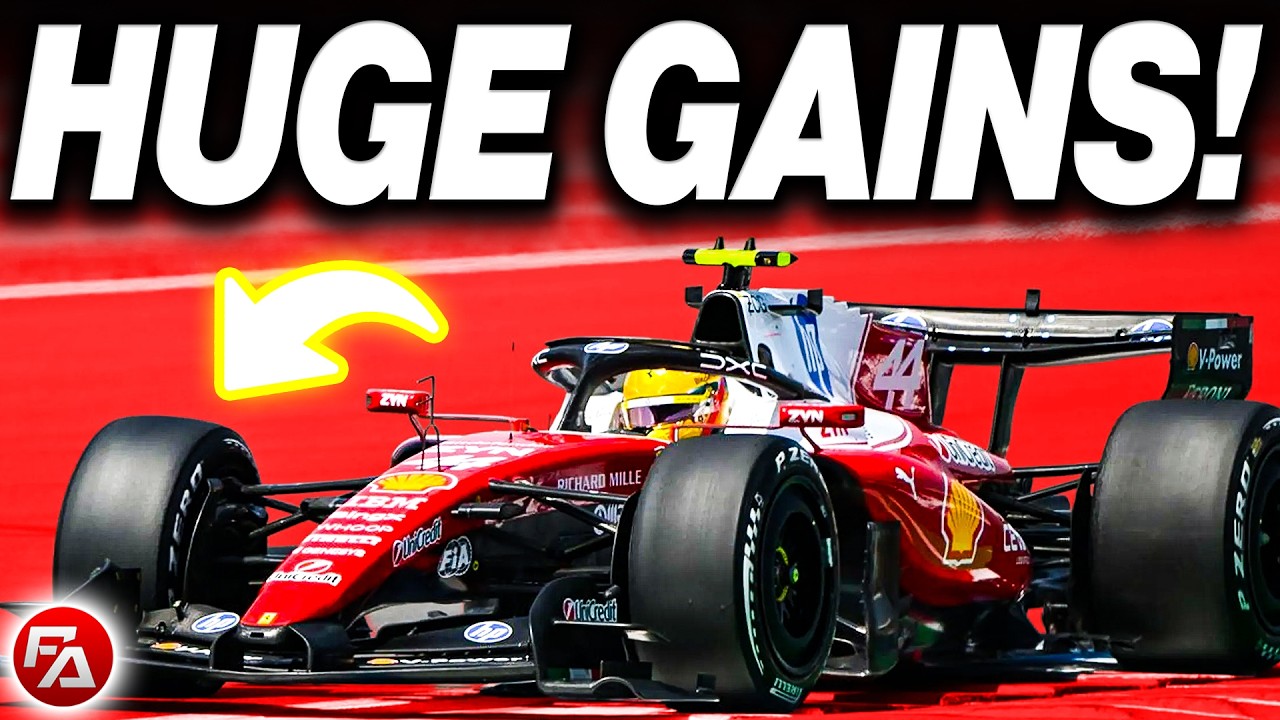
At the center of the story is McLaren, whose highly anticipated version of the rotating rear wing has reportedly been pushed back after failing crucial static load tests. The setback has delayed what many expected to be one of the team’s biggest aerodynamic upgrades, leaving engineers scrambling to solve structural issues without compromising the performance gains that made the concept so attractive in the first place. Every week of delay could prove costly in a championship fight where fractions of a second often separate victory from defeat.
Red Bull has already experienced similar frustrations. Despite its reputation for producing some of Formula 1’s most innovative aerodynamic solutions, the team also encountered significant obstacles while attempting to develop the technology. The difficulties have highlighted just how demanding the new concept has become, proving that even the most successful engineering departments cannot simply introduce such a radical design without overcoming major technical barriers.
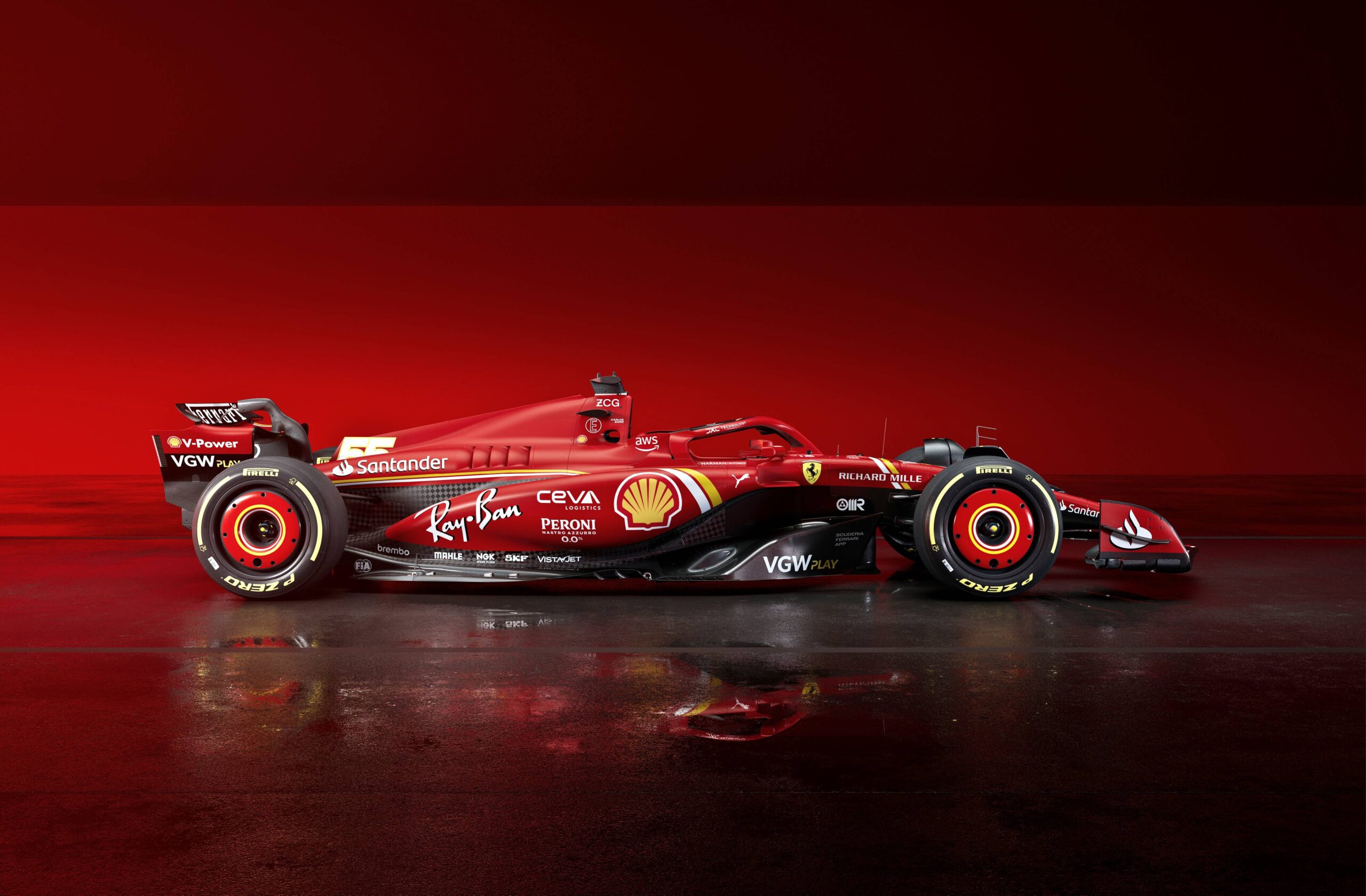
Ferrari, meanwhile, appears determined to press forward despite its own challenges. Reports suggest the Scuderia has struggled with stability concerns while developing the system, yet engineers continue refining an aggressive actuator design that could unlock substantial performance if perfected. The Italian team knows that accepting short-term risks may be necessary if it hopes to close the gap to its rivals and re-establish itself as a genuine title contender.
Mercedes has chosen a noticeably different approach. Rather than rushing to introduce the rotating rear wing, the Silver Arrows are reportedly remaining patient, believing their current aerodynamic package already offers competitive low-drag efficiency. Instead of chasing immediate gains, Mercedes appears willing to wait until the technology reaches a more mature stage, potentially avoiding the costly setbacks currently affecting its competitors.

The reward, however, explains why no leading team can afford to ignore the project. Engineers estimate the new system could be worth as much as 0.15 seconds per lap under the right conditions—a remarkable advantage in modern Formula 1, where qualifying positions and race victories are often decided by mere hundredths of a second. A breakthrough could instantly transform the competitive order, while a failed development program could waste months of valuable resources during one of the most competitive seasons in recent memory.
As development intensifies, every top team faces the same difficult question: push aggressively and risk costly failures, or delay the upgrade and watch rivals potentially unlock a championship-winning advantage first. With enormous pressure mounting behind the scenes, the rotating rear wing is quickly becoming more than just another aerodynamic update—it may ultimately prove to be the innovation that determines who lifts the championship trophy and who is left wondering whether they gambled on the wrong solution.