Sie sagten, ich könne keinen Eurofighter fliegen – dann legte mein Tattoo die ganze Basis lahm
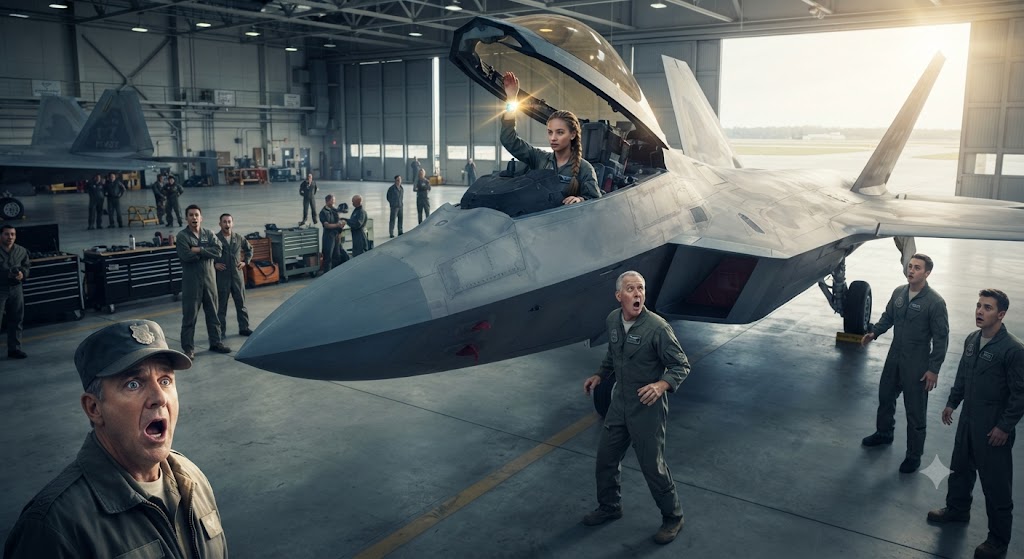
Mein Name ist Riley Mardox. Ich bin 34 Jahre alt, stationiert auf einem abgelegenen Luftwaffenstützpunkt in Norddeutschland und arbeite als Technikerin. Meistens kümmere ich mich um Triebwerke, manchmal auch um Avionik, wenn jemand ausfällt. Wenn du mich im Hangar vorbeigehen siehst, würdest du mich wahrscheinlich nicht zweimal ansehen. Die meisten glauben, ich repariere einfach nur Maschinen. Wenige wissen, dass ich früher geflogen bin. Niemand hier weiß, wo ich ausgebildet wurde – und das ist kein Zufall. Die letzten sechs Jahre habe ich diesen Teil meines Lebens sorgfältig begraben. Ich habe die Eliteausbildung nicht verlassen, weil ich versagt hätte. Ich ging, weil ein Bleiben etwas zerstört hätte, das wichtiger war als Rang oder Ruf.
An diesem Mittwochmorgen betrat mein Vater Hangar 6 in makelloser Uniform. Seine Stimme war so scharf wie Stahl. Er sah mir direkt in die Augen und sagte: „Eine Technikerin fliegt nicht.“ Zuerst dachte ich, es sei ein Witz. Das spöttische Lächeln kam nie. Er war nicht als Vater da. Er war da als Kommandant. Er reichte mir eine Checkliste und sagte, wenn ich je beweisen wolle, dass ich noch das Recht habe, einen Fliegeroverall zu tragen, dann sei jetzt der Moment – hier, vor der ganzen Crew, vor ihm.
Ich hätte einfach gehen können. Vielleicht hätte ich es tun sollen. Doch wenn jemand versucht, deine Geschichte auszulöschen, kommt der Punkt, an dem Schweigen schlimmer fühlt als Scheitern. Also nahm ich die Checkliste, wischte mir die Hände ab und ging geradewegs auf den Eurofighter zu. Nicht um etwas zu beweisen. Nicht aus Rache. Ich musste mich nur daran erinnern, wer ich einmal war, bevor die Angst kam, bevor die Politik, bevor er.
Der Hangar wurde still, als er hereinkam. Seine Stiefel trafen den Boden wie Satzzeichen. Ein paar Kollegen aus der Wartung drehten kurz die Köpfe und senkten rasch wieder die Blicke. Mein Vater hat nie geschrien. Das musste er auch nicht. Seine bloße Anwesenheit ließ jedes Gespräch verstummen. An diesem Tag verschwendete er keine Zeit. Er blieb knapp vor der Nase der Maschine stehen. Seine Stimme war leise, kontrolliert und tödlich: „Wenn du Pilot spielen willst, dann zeig’s uns.“
Ich antwortete nicht. Ich reichte nur meinen Schraubenschlüssel dem nächsten Kollegen und stieg die Leiter hinauf. Mein Herz raste nicht. Es war seltsam ruhig. Der Eurofighter ragte über mir auf, mattgrau im Licht der Deckenpaneele. Für mich war er nie nur eine Maschine gewesen. Er war eine Erinnerung, ein Versprechen, ein Geist, den ich zu lange zu vergessen versucht hatte. Ich kletterte ins Cockpit, als hätte ich es gestern erst getan. Muskelgedächtnis übernahm: Batterie an. Systemcheck. Das HUD flackerte zum Leben – und zum ersten Mal seit Jahren fühlte ich mich zu Hause.
Als ich meinen Ärmel zurechtrückte, rollte sich der Stoff gerade so weit zurück, dass mein linkes Handgelenk sichtbar wurde. TG-0921. Es dauerte kaum eine Sekunde. Einer der Soldaten sog scharf die Luft ein. Ein anderer ließ das Werkzeug fallen. Das Klirren hallte von den Wänden wider. Mein Vater veränderte keine Miene, doch sein Kiefer verhärtete sich. Er wusste genau, was diese Zeichen bedeuteten: Elitekurs der taktischen Führungsausbildung, nur für die Besten. Diese Tätowierung war keine Dekoration. Sie war verdient.
Die Crew beobachtete mich. Manche verwirrt, andere unruhig. Ich bewegte mich zielstrebig weiter. Alle Systeme grün. Flugsteuerungstest abgeschlossen. Es war Instinkt, keine Provokation. Ich wollte ihn nicht bloßstellen. Ich wollte nur wieder spüren, wie es sich anfühlte, ganz zu sein. Die Stille im Hangar kam nicht aus Verwirrung. Sie kam aus Erkenntnis. Sie sahen nicht länger eine Mechanikerin. Sie sahen eine Pilotin. Und ob er es zugab oder nicht – er sah es auch.
Ich war 28, als ich meinen Platz in der Eliteausbildung bekam – eine von nur drei Frauen in meinem Kurs und die einzige unter 30. Es ging nie um Ego. Es ging um Präzision unter Druck. Und ich liebte jede Sekunde davon. Bei jeder Bewertung landete ich unter den besten drei: Strategieübungen, Luftkämpfe, Notfallprotokolle. Ich hatte alles im Griff. Oder zumindest dachte ich das.
Die Mission, die alles veränderte, sollte eigentlich nicht gefährlich sein. Eine gemeinsame Übung, zwei Teams, ein simuliertes Ziel. Ich war als leitende Navigatorin eingeteilt. Drei Minuten nach dem Start kam der Befehl: Kurs korrigieren. Neuer Vektor. Irgendetwas fühlte sich falsch an. Das Gelände stimmte nicht mit dem Briefing überein. Doch der Befehl kam von jemandem mit mehr Sternen auf der Schulter, als ich je haben würde. Also folgten wir ihm.
Was danach geschah, tauchte nie in den offiziellen Berichten auf. Unsere zweite Einheit driftete in gesperrten Luftraum und löste ein Alarmprotokoll aus. Zum Glück wurde niemand verletzt. Doch die Konsequenzen kamen sofort. Ich wurde am Boden festgehalten. Keine Anhörung. Nur ein Vermerk: mangelhaftes Urteilsvermögen, fehlende Führungsklarheit, Empfehlung zur Neuverteilung. Erst Wochen später erfuhr ich, wer die Änderung des Flugvektors genehmigt hatte. Kurz darauf war er befördert worden – und ich ohne Widerspruch in die Logistik versetzt.
Ich wehrte mich nicht. Ich kannte die Regeln. Manche Fehler überlebt man. Andere muss man in sich aufnehmen. Also verschwand ich. Ich ließ sie mich als Technikerin abtun. Ließ den Fliegeroverall im hintersten Winkel des Schranks verstauben. Ab und zu strich ich mit dem Finger über die Tätowierung an meinem Handgelenk. Kein Titel. Nur eine stille Erinnerung daran, dass ich mir einst etwas verdient hatte, das sie mir nicht nehmen konnten.
Der Anruf kam kurz nach 13 Uhr. Ein Hubschrauber war über einer Schlucht etwa achtzig Kilometer entfernt vom Radar verschwunden. Letztes Signal: mechanischer Ausfall und Rauchentwicklung. Das Such- und Rettungsteam bereitete sich vor, doch der leitende Pilot war wegen eines Knieproblems am Boden und der Ersatz im Urlaub. Jede Sekunde zählte. Das Wetter schlug um.
Ich stand in der Nähe der Werkstatt, als ich davon erfuhr. Jemand sagte, wir hätten noch zehn Minuten, bevor das Zeitfenster schließe. Ein anderer meinte, niemand hier sei für einen taktischen Eurofighter-Start freigegeben. Ich blickte auf den Jet. Dann ging ich ohne ein Wort an ihnen vorbei. Batteriecheck. Sauerstoffcheck. Avionik synchronisiert. Treibstoff bei 93 Prozent. Alles saß tief in meinem Rückenmark, als hätte ich nie aufgehört.
Der Jet hob sauber ab. Ich zog nach Nordnordwest, Vollgas für die ersten Minuten. Die Wolken hingen tief, die Sicht war rau, doch die Instrumente blieben stabil. Ich schaltete mich in den Funkkanal des Suchteams ein, las ihre Koordinaten ab und gab ihnen einen neuen Annäherungskurs mit weniger Windwiderstand. Der abgestürzte Hubschrauber qualmte am Rand eines schmalen Felsvorsprungs. Ein Mann saß darin fest. Ich neigte die Maschine, drosselte den Schub und wies den Rettungshubschrauber an, wie er die Rotoren ausrichten und die Felswand nutzen konnte. Die Evakuierung dauerte weniger als zwei Minuten. Dann zog ich mich zurück und brachte die Maschine nach Hause.
Im Anhörungsraum saß mein Vater mir gegenüber. Er beschuldigte mich, Unterlagen gefälscht und eine Maschine geflogen zu haben, zu der ich keine Berechtigung besaß. Ich schob einen USB-Stick über den Tisch. Darauf lagen Radarprotokolle, Funkmitschnitte und zeitgestempelte Flugaufzeichnungen jener Übung von vor zwei Jahren. Das Cockpit-Video zeigte mein Gesicht unter dem Visier – ruhig, klar, präzise. Ein geheimes Memorandum tauchte auf. Der ursprüngliche Befehlscode führte direkt zu ihm. Sein Name stand darunter.
Die Vorsitzende legte die Hände gefaltet auf den Tisch. „Ihre Unterlagen sind bestätigt. Ihr Handeln unter Druck war vorbildlich. Ihre Akte wird mit sofortiger Wirkung wiederhergestellt.“ Aufgrund der Canyon-Rettungsmission und meiner taktischen Entscheidungsfähigkeit bot das Kommando mir eine neue Aufgabe an: leitende Ausbilderin für fortgeschrittene Luftkampftaktiken. Ich nickte nur einmal.
Mein Vater protestierte nicht. Er hob nicht einmal den Blick. Seit der Anhörung hat er kein Wort mehr mit mir gesprochen. Vielleicht wird er es nie wieder tun. Doch ich habe das nicht getan, um ihn zu verändern. Ich habe es getan, damit ich endlich aufhören kann, mich klein zu machen.
Nach Sonnenuntergang kehrte ich zur Startbahn zurück. Der Himmel war in Violett getaucht. Ich schob meinen Ärmel hoch und ließ das schwindende Licht auf die Tinte an meinem Handgelenk fallen. TG-0921. Kein Geheimnis mehr. Einfach ein Teil von dem, was ich bin. Fliegen ging nie darum, etwas zu beweisen. Es ging um dieses Gefühl kurz vor dem Start, wenn alles still wird und die Welt sich auf Instinkt und Atem verengt. Es ging um Vertrauen in sich selbst.
An alle, die gerade zuhören: Wenn jemand euch je sagt, ihr seid zu viel oder nicht genug oder nicht das, was erwartet wurde – seht ihm fest in die Augen und erinnert euch daran, wer ihr wirklich seid. Nicht die Version, die sie für euch geschrieben haben. Die, die ihr selbst gelebt habt. Die Tätowierung ist noch da. Der Himmel gehört mir noch immer. Und diesmal fliege ich nicht mehr schweigend.


