The Imperial Japanese Navy’s presence in the heart of the British Empire’s Mediterranean stronghold during the First World War remains one of the most overlooked and paradoxical chapters of the conflict. A new examination of historical records and a visit to the Kalkara Naval Cemetery in Malta reveals the extraordinary story of how a squadron of Japanese destroyers, thousands of miles from their home waters, became the unsung saviors of hundreds of thousands of Allied troops.
The alliance that brought the Rising Sun flag to the Grand Harbour was born not of shared ideology, but of cold geopolitical calculation. The Anglo-Japanese Alliance of 1902 was designed by London as a strategic check against Russian imperial ambitions in the Far East, a move that allowed the Royal Navy to concentrate its might in home waters against the rising threat of the German High Seas Fleet. When that German threat erupted into global war in August 1914, Britain turned to its eastern partner, initially requesting assistance only to hunt German armed merchantmen in Chinese waters.
 Japan, however, saw a far larger prize. The conflict presented a golden opportunity to assert its status as a great power, secure a seat at the eventual victory table, and seize German colonial possessions in Asia and the Pacific. Within weeks of declaring war on August 23, 1914, over 23,000 Japanese troops, supported by a small British contingent, laid siege to the German concession at Tsingtao on the Chinese mainland.
The port capitulated in November, and Japan swiftly occupied Germany’s island chains in the North Pacific, dramatically expanding its empire while ostensibly aiding the Allied cause.
For the first years of the war, Japanese naval assistance was peripheral, helping to escort Australian and New Zealand troop convoys across the Indian Ocean while the German raider Emden was at large. But by 1917, the strategic calculus had shifted dramatically. The war in Europe was bleeding the Allies dry; Russia was on the brink of collapse, the United States had yet to enter the fray, and unrestricted German submarine warfare was strangling supply lines in the Atlantic.
The Mediterranean, a vital artery for shipping troops and materiel to the Italian, Salonika, and Middle Eastern fronts, had become a hunting ground for enemy U-boats.
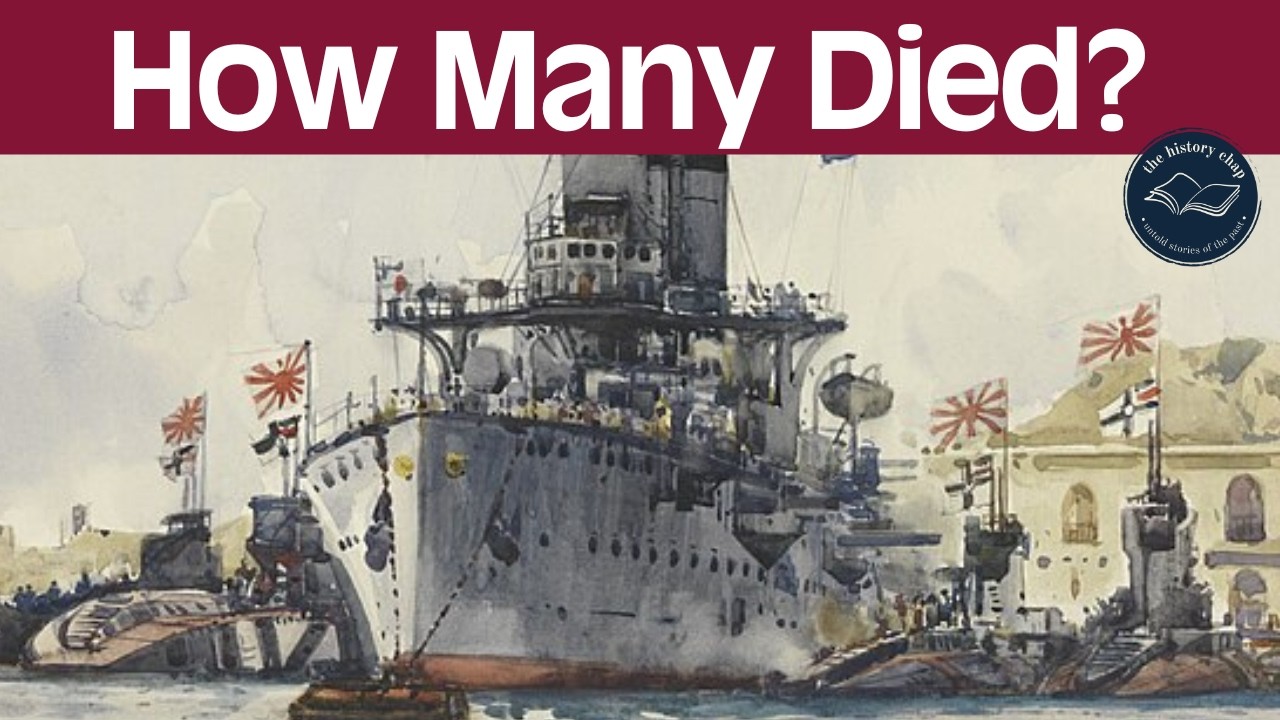
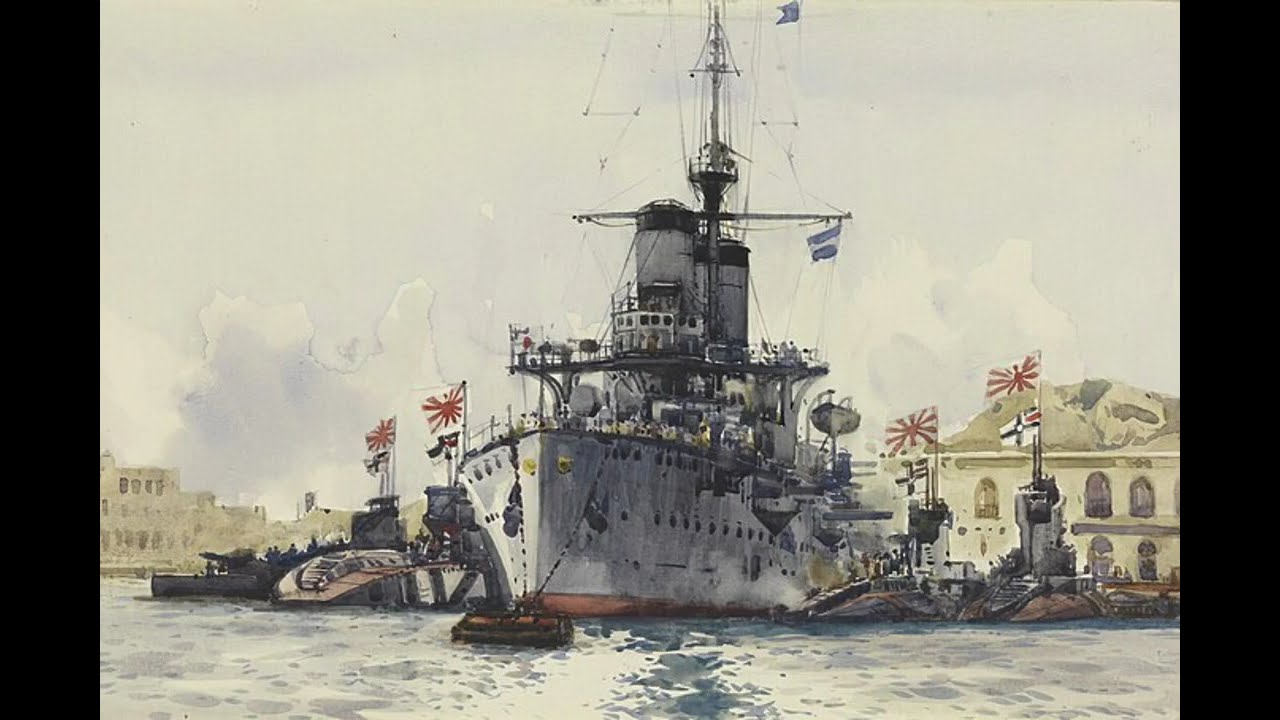
Desperate to relieve the overstretched Royal Navy, the British government formally requested assistance from Tokyo. The Japanese response was swift and decisive. In February 1917, a squadron of eight destroyers under the command of Admiral Sato arrived in Malta, eventually expanding to seventeen ships, including two Royal Navy warships crewed entirely by Japanese sailors.
Though nominally independent, the squadron operated under the tactical direction of British Rear Admiral George Ballard, and they quickly earned a reputation for professionalism that silenced any initial skepticism among their European allies.
 Operating from the British colony of Malta, the Japanese flotilla undertook a mission of staggering scale and importance. They escorted nearly 800 troop ships carrying over 700,000 men across the treacherous waters of the Mediterranean, engaging enemy submarines on 34 separate occasions. The Daily Malta Chronicle consistently lauded their efforts, and the local commissioner of the Boy Scouts even held the Japanese sailors up as a model of discipline and spirit for the island’s youth.
Local lore suggests that the sailors formed relationships with Maltese women, leaving a lasting, if unofficial, legacy on the island.
The true test of their mettle came on May 3, 1917, when the British troop ship Transylvania departed Marseilles, escorted by the Japanese destroyers Matsu and Sakaki. The liner, carrying nearly 3,500 British troops bound for Alexandria, was a prime target. At 10:30 the following morning, the German submarine U-63, commanded by the prolific Otto Schultz, fired a torpedo that struck the Transylvania’s port engine.
As chaos erupted on deck, the Matsu came alongside to evacuate troops while the Sakaki circled aggressively to keep the U-boat submerged.
But Schultz was a cunning adversary. Twenty minutes later, a second torpedo was spotted running directly at the Matsu. The Japanese destroyer was forced to go full astern to avoid the strike, leaving the stricken Transylvania 𝓮𝔁𝓹𝓸𝓼𝓮𝓭.
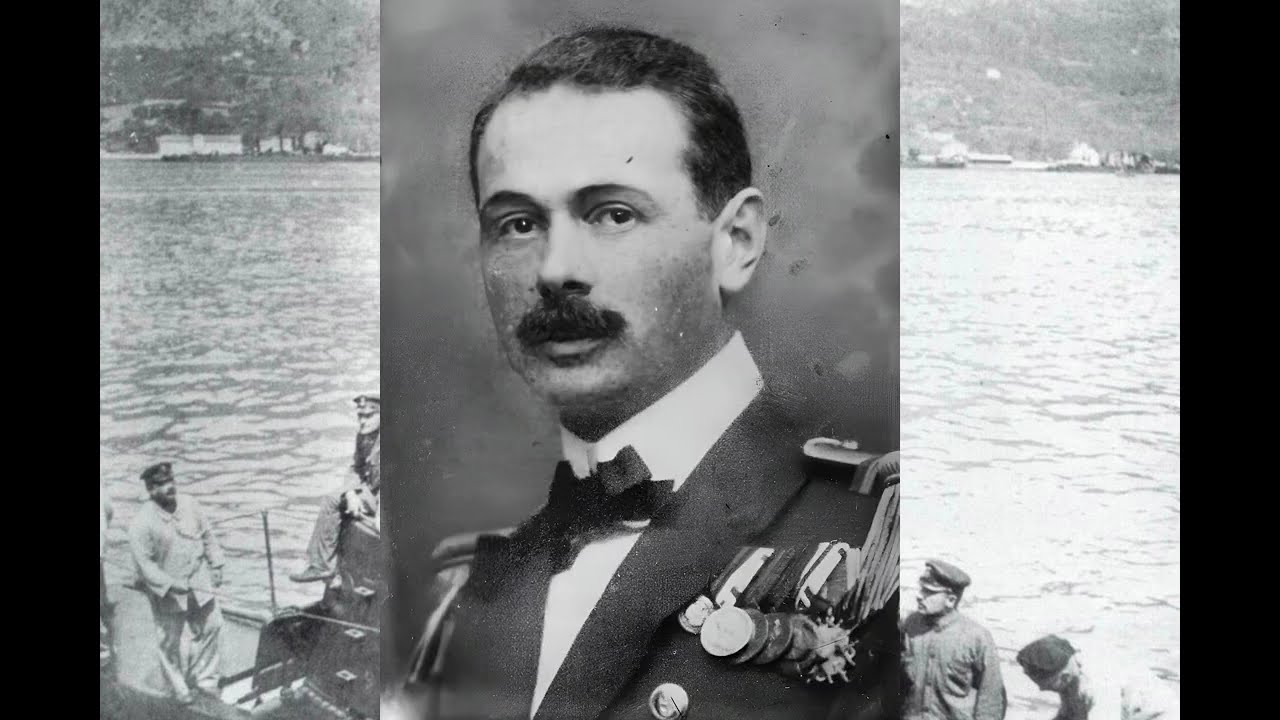 The torpedo hit home, and the troop ship sank rapidly within the hour. Despite the valiant efforts of men like Major Thomas Barkley of the First Surrey Yeomanry, who swam ceaselessly to pull soldiers into lifeboats until he succumbed to exhaustion, 383 officers and soldiers, along with ten crew members, perished. Yet, the swift and courageous actions of the Japanese escorts, alongside French and Italian vessels, saved approximately 3,000 men from the water.
The cost of this service was severe. A month after the Transylvania disaster, the Sakaki was patrolling the Aegean Sea when she was struck by a torpedo from the Austro-Hungarian submarine U-27, commanded by Robert von Fernland. The explosion tore off the destroyer’s bow, killing her commander and most of her forward crew instantly.
In a remarkable display of seamanship, the surviving crew managed to douse the fires and keep the two-year-old vessel afloat, eventually towing her back to Malta for repairs. Sixty-eight of her crew were killed in the action, their sacrifice memorialized in the cemetery at Kalkara.
The memorial in Kalkara Naval Cemetery, honoring the 70 members of the Imperial Japanese Navy who gave their lives in the Mediterranean, stands as a testament to this fleeting alliance. Erected around the end of the war, it was praised by the Governor of Malta, Lord Methuen, who lauded the Japanese Navy for their “splendid work in European waters,” hoping that the “alliance cemented in blood may long endure.” Yet, even as Crown Prince Hirohito visited the memorial during his European tour in 1921, the foundations of that alliance were crumbling.
The seeds of discord were sown at the Versailles Peace Conference. While Japan retained control of Germany’s former possessions in China and the North Pacific, its ambition to be recognized as a fully equal great power was rebuffed. The Japanese delegation’s proposal for a racial equality clause in the League of Nations covenant, a direct response to anti-Japanese immigration policies in Australia and California, was defeated.
 President Woodrow Wilson insisted on unanimous approval, but when seven of the eighteen delegates, including the British Empire, abstained under pressure from Australian Prime Minister Billy Hughes, the clause was dropped. The humiliation was profound and lasting.
That sense of being treated as a second-class power would poison Japanese foreign and military policy for the next two decades. Within two years of Hirohito’s visit to Malta, the Anglo-Japanese Alliance was formally terminated, a casualty of a new world order where Russia was no longer a threat and Japan’s assertiveness in China had become an embarrassment to London. By the time Hirohito became emperor in 1926, Japan was diplomatically isolated, a vacuum that would eventually be filled by the Tripartite Pact with Nazi Germany and Italy in 1940.
The irony of history is stark. The very ships that had served alongside the Royal Navy in the Mediterranean would later become enemies. Admiral Sato’s flagship, the Izumo, built by Armstrong Whitworth on the Tyne in the 1890s, was already obsolete by the time she served in Malta.
After the war, she escorted former German U-boats back to Japan. In 1941, she famously attacked HMS Peterel and USS Wake at Shanghai just hours after Pearl Harbor, before being sunk by American aircraft in July 1945. The memorial to the Japanese sailors in Kalkara was itself damaged by bombs from Germany, Japan’s new ally, during the Second World War siege of Malta.
It was not repaired until the 1970s, when a Japanese journalist took up the cause.
Today, the wreck of the Transylvania lies broken in two on the seabed off the Italian coast, located by divers in 2011. At a commemoration held at the abbey at Finale Ligure, representatives from Italy, Britain, Japan, and Germany stood together in a poignant display of reconciliation. The story of the Japanese squadron in Malta is a profound reminder that the alliances of war are often as fragile as they are surprising.
Today’s friends can become tomorrow’s enemies, and the blood shed in common cause can be forgotten in the rush of geopolitics. The quiet memorial at Kalkara, still visited by many Japanese tourists who leave comments in the visitors’ book, ensures that this strange, forgotten chapter of the First World War is not entirely lost to time.