For generations, Lou Costello was remembered as one of the funniest entertainers in American history. Alongside Bud Abbott, he created one of the most successful comedy partnerships of all time, bringing laughter to millions through radio, film, and television. His nervous energy, expressive face, and unforgettable timing made him a beloved figure during Hollywood’s golden age.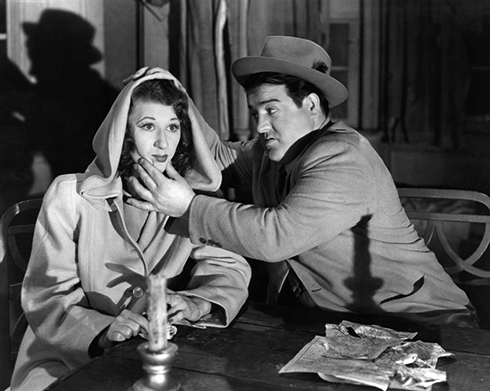
But behind the frantic, wide-eyed comedian audiences saw on stage was a much quieter and more sensitive man. Lou Costello’s real life was filled with love, personal tragedy, family devotion, and struggles that revealed a side of him most fans never knew.
Born Louis Francis Cristillo in 1906 in Paterson, New Jersey, Costello grew up in a working-class Italian-American family. Before becoming famous, he worked various jobs and even pursued careers outside entertainment, including construction and athletics. Like many performers of his generation, he slowly found his way into show business through persistence and determination rather than instant success.
His partnership with Bud Abbott changed everything.
When Abbott and Costello began working together in the 1930s, they created a comedy style built around contrast. Abbott played the confident straight man, while Costello became the nervous, confused, and endlessly energetic character who audiences immediately loved. Their famous routine “Who’s on First?” became one of the most celebrated comedy sketches in history, proving that simple wordplay and perfect timing could create timeless humor.
To the public, Lou Costello appeared almost exactly like the characters he played—restless, silly, and constantly overwhelmed.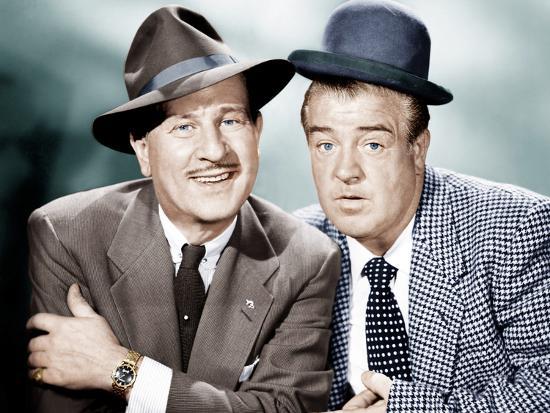
But his family knew a very different man.
At home, Costello was described as quiet, disciplined, and deeply devoted to his wife Anne and their children. He enjoyed a simple family life and preferred spending time away from Hollywood’s social scene. The man who made millions laugh was often much more reflective and reserved when the cameras were turned off.
The greatest tragedy of his life came in 1943.
On November 4th of that year, Costello’s one-year-old son, Louis “Butch” Costello Jr., tragically drowned in the family swimming pool. The loss devastated the comedian and changed him forever. The tragedy occurred on the same day that Costello was scheduled to perform his radio program. Despite his grief, he went ahead with the broadcast, a decision many later interpreted as his attempt to maintain some sense of normalcy during an unimaginable moment of pain.
Behind the microphone, America heard the familiar comedian.
But behind that voice was a father mourning the loss of his child.
Costello later dedicated much of his life to helping young people, creating the Lou Costello Jr. Youth Foundation, an organization designed to provide opportunities and support for children in need. For him, helping others became a way to transform personal heartbreak into something meaningful.
His professional relationship with Bud Abbott also became the subject of endless speculation. Over the years, rumors suggested that the partnership was filled with resentment and conflict. While the two men did experience disagreements—especially regarding business decisions, finances, and the pressures of maintaining a successful act—those close to them, including Costello’s daughter Chris, have emphasized that their bond was much deeper than simple business cooperation.
They were different personalities who sometimes struggled to work together, but they also shared years of friendship, trust, and mutual respect.
Their success was built not only on comedy but on understanding each other’s strengths. Abbott knew how to highlight Costello’s timing, while Costello understood how to turn Abbott’s seriousness into the perfect setup for laughter. Their chemistry became the reason generations of fans continued returning to their performances.
However, as entertainment changed in the 1950s, the duo faced new challenges. Changing audience tastes, financial difficulties, and the decline of traditional studio comedy affected their careers. Like many performers from their era, they struggled to adapt to a rapidly changing industry.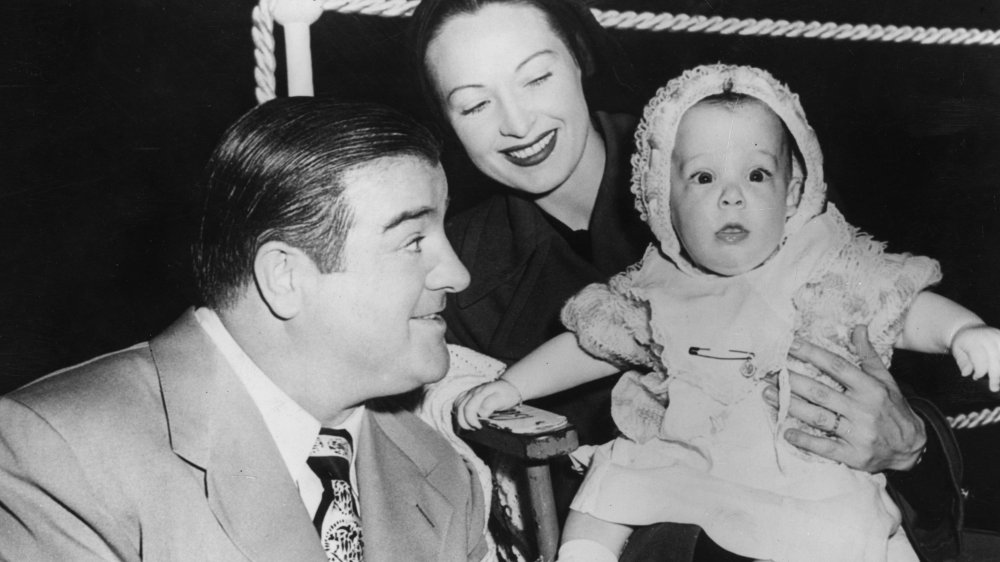
For Costello, the personal losses were equally difficult to overcome.
After years of carrying emotional pain, his health began to decline. In 1959, just days before a planned television comeback, Lou Costello suffered a heart attack and passed away at the age of 52. His death shocked Hollywood and devastated fans who had grown up watching him bring happiness into their homes.
Bud Abbott, his longtime partner, was among those who mourned his loss. Despite the challenges they faced, Abbott and Costello remained one of entertainment’s most important partnerships, a friendship and creative connection that shaped comedy forever.
Today, Lou Costello is remembered for far more than his famous routines.
He was a comedian who turned personal struggles into laughter, a father who carried unimaginable grief, and a performer who valued family and kindness above fame. His story reminds us that behind every entertainer who brings joy to millions is a real person with private battles, emotions, and memories that the audience may never see.
The laughter Lou Costello gave the world continues to live on—not because his life was perfect, but because even through hardship, he continued to make people smile.