For years, Hollywood painted Cybill Shepherd and Bruce Willis as television’s most famous on-set rivals. Their explosive chemistry on Moonlighting captivated millions of viewers, while rumors of constant arguments fueled endless headlines. But decades later, Shepherd has offered a far more nuanced perspective—one that reveals how admiration, pressure, and timing shaped one of television’s most unforgettable partnerships.
When Moonlighting premiered in the mid-1980s, audiences were immediately drawn to the undeniable spark between Maddie Hayes and David Addison. According to Shepherd, that chemistry wasn’t simply the result of great acting. She has acknowledged that there was a genuine attraction between them early on, but both ultimately chose not to pursue a romantic relationship. In her view, leaving those feelings unresolved helped preserve the tension that made the series so compelling week after week.
Behind the cameras, however, producing Moonlighting was anything but glamorous. Creator Glenn Gordon Caron demanded cinematic quality on a television schedule, often requiring exceptionally long filming days and constant script revisions. The relentless pace exhausted the cast and crew, while the emotional intensity between the two stars frequently spilled into heated disagreements on set.
As the series continued, new pressures complicated their relationship even further. Many observers later pointed to the so-called “Moonlighting curse,” arguing that once the central romantic tension between the characters was resolved, the show’s creative momentum became more difficult to sustain. Around the same time, Shepherd’s pregnancy altered production schedules, while Bruce Willis experienced a meteoric rise to international fame following the release of Die Hard. His rapidly growing status changed the dynamics behind the scenes, leading to salary disparities, increased media attention, and mounting professional resentment.
To the public, it often appeared that the two stars simply disliked one another. In reality, the situation was far more complicated. Both were ambitious performers working under extraordinary pressure, determined to protect a show that demanded emotional intensity from every scene. The very passion that made their performances unforgettable also contributed to the conflicts that surrounded the production.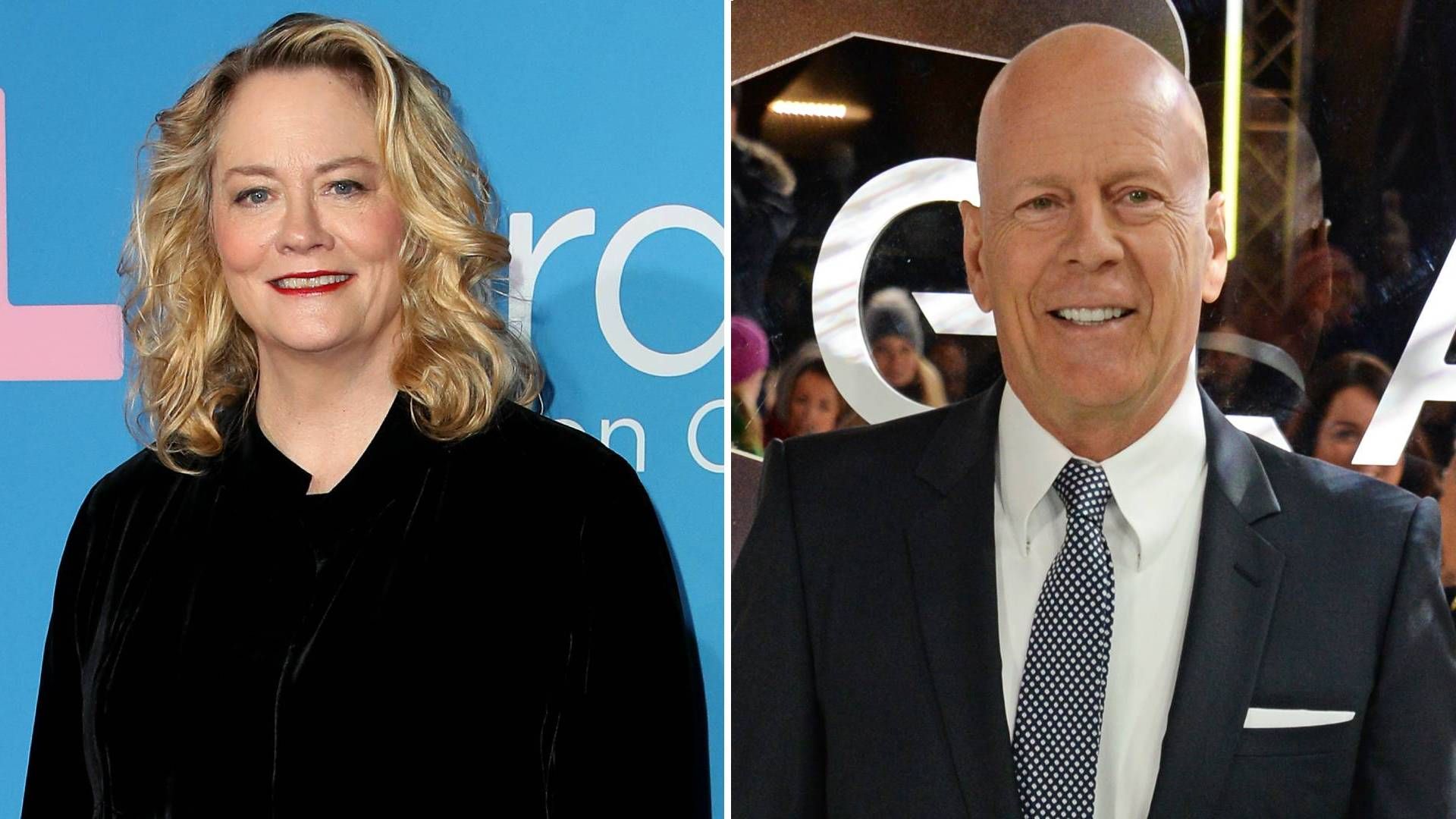
Fortunately, time brought perspective.
After years with little contact, Shepherd and Willis reunited in 2005 while recording DVD commentary for the series. The reunion allowed them to revisit old memories without the competitive pressures that had once defined their working relationship. What had once been frustration gradually evolved into mutual respect for what they had created together.
Following Bruce Willis’s diagnosis with frontotemporal dementia, Shepherd quietly reached out to reconnect. She later spoke with warmth and gratitude about their shared history, recognizing that the intensity of their relationship—both the triumphs and the conflicts—had been rooted in the importance they held in each other’s lives. Rather than dwelling on old disagreements, she chose to remember the extraordinary partnership that helped define an era of television.
Today, Moonlighting remains a landmark series not only because of its sharp writing and innovative style, but because of the rare chemistry between two performers whose complicated relationship produced television magic that audiences still celebrate decades later.
💬 Do you think Moonlighting would have become such a classic if Bruce Willis and Cybill Shepherd had gotten along perfectly from the beginning?
#CybillShepherd #BruceWillis #Moonlighting #Hollywood #ClassicTV #TelevisionHistory #BehindTheScenes #EntertainmentNews #UntoldStories #TVLegends