Audie Murphy, America’s most decorated World War II soldier, reportedly harbored deep resentment toward Hollywood legend John Wayne. But the real reason behind this animosity is far more complex and troubling than simple jealousy—rooted in the painful clash between lived combat experience and Hollywood’s glamorized portrayal of war heroes.
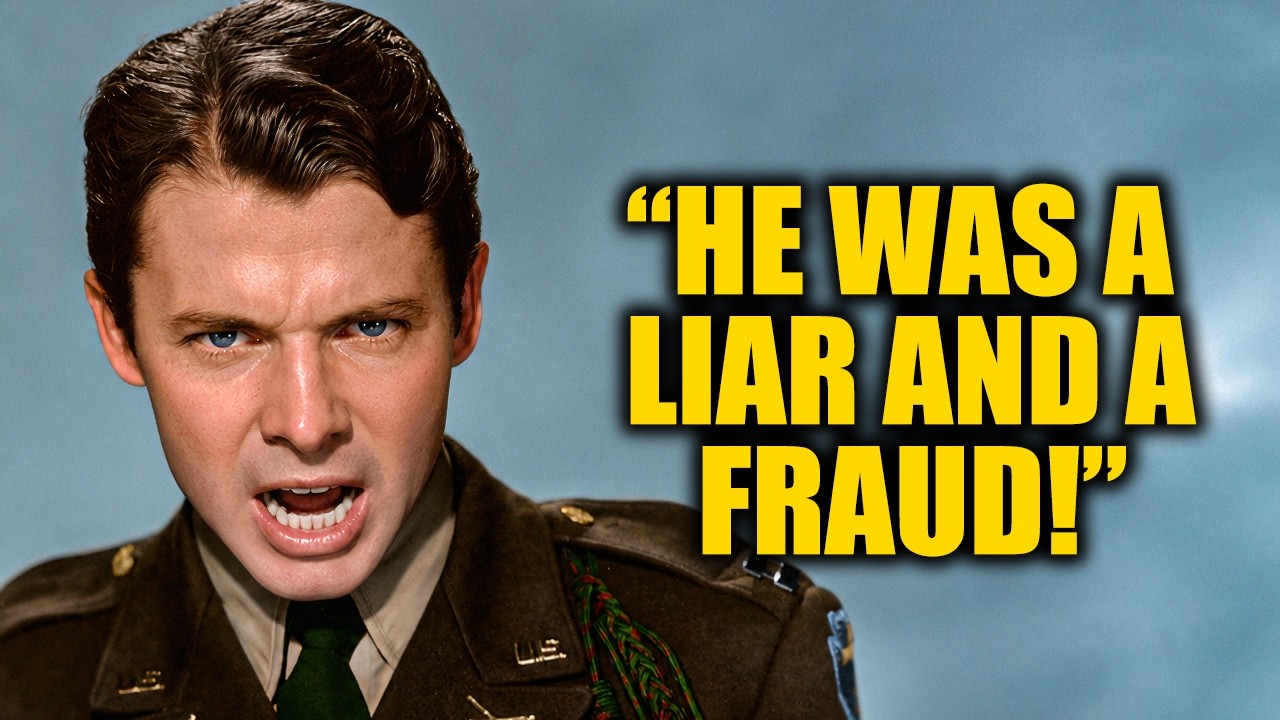
Audie Murphy, a young Texan orphan turned war hero, fought brutal battles across Europe, earning the Medal of Honor for heroism that cost him wounds and haunting trauma. Meanwhile, John Wayne, a towering Hollywood icon, never served in combat, becoming the embodiment of an idealized, fearless American soldier on screen without ever facing real battlefield horrors.

Their contrasting paths—Murphy’s gritty reality and Wayne’s cinematic myth—sparked tensions that transcended personal rivalry. Murphy’s frustration wasn’t merely about Wayne as a man, but what Wayne symbolized: a sanitized, glorified image of war that erased the dark, complex truth Murphy lived every day.
Returning from war, Murphy confronted a Hollywood eager to capitalize on his fame but unwilling to explore his psychological scars. Studios cast him in traditional Western roles, masking the terror and trauma underlying his heroism. This shallow portrayal clashed starkly with Wayne’s blockbuster war films and cultural dominance.
Murphy’s pivotal break came with “The Red Badge of Courage,” where he portrayed a soldier grappling with fear and courage. Director John Huston sought authenticity through Murphy’s firsthand experience. Yet MGM’s heavy editing gutted the film’s raw honesty, undermining Murphy’s attempt to reveal war’s brutal human cost.
In 1955, Murphy’s autobiography-inspired film “To Hell and Back” became a major commercial success, cementing his hero status. But reenacting his harrowing experiences inflicted fresh wounds. Behind the public’s applause lurked Murphy’s ongoing battles with nightmares, insomnia, and addiction—silent suffering rarely acknowledged in the Hollywood spotlight.
Financial woes compounded Murphy’s struggles. Gambling losses, failed ventures, and bankruptcy contrasted sharply with his celebrated image. Despite fame, he faced profound challenges adjusting to civilian life, symbolizing the unspoken trauma many veterans endured amid a culture preferring heroic myth over painful reality.
Meanwhile, John Wayne thrived, embodying the archetypal American hero through numerous iconic films. Wayne’s image aligned perfectly with patriotic narratives enhancing support for conflicts like the Vietnam War, further distancing audiences from the harsh truths living veterans like Murphy knew all too well.
By the late 1960s, as America’s attention fractured over Vietnam, Murphy spoke openly about veterans’ psychological struggles. His candidness challenged Hollywood’s shallow portrayals and America’s unwillingness to confront war’s fallout. This honest voice stood starkly against Wayne’s continued role as a defender of patriotic military idealism.
Murphy’s life ended abruptly in a tragic 1971 plane crash at age 45, cutting short a story marked by heroism and hardship. His military burial at Arlington honored his courage, yet his private battles reflected the hidden cost of war rarely shown onscreen or celebrated in popular culture.
John Wayne died in 1979, his legacy cemented by Congress’s posthumous honors and the naming of a major airport. Wayne’s fame persists as a symbol of American masculinity and patriotism, highlighting the cultural divide between idealized heroism and the complex reality veterans like Murphy embodied.

The tension between Murphy and Wayne represents a larger conflict—a clash between harsh wartime truth and sanitized cinematic myth. Murphy’s reported resentment was less personal and more about Hollywood’s and society’s refusal to acknowledge the true cost of combat and the flawed image of American heroism it preferred to project.
Ultimately, the story of Audie Murphy and John Wayne is not about personal hatred but about competing narratives of war and heroism. Murphy, the man who lived war’s horrors, struggled against Wayne, the man who symbolized the comfortable myths Americans wanted. Their legacy reveals the deep gulf between real sacrifice and cultural mythmaking.