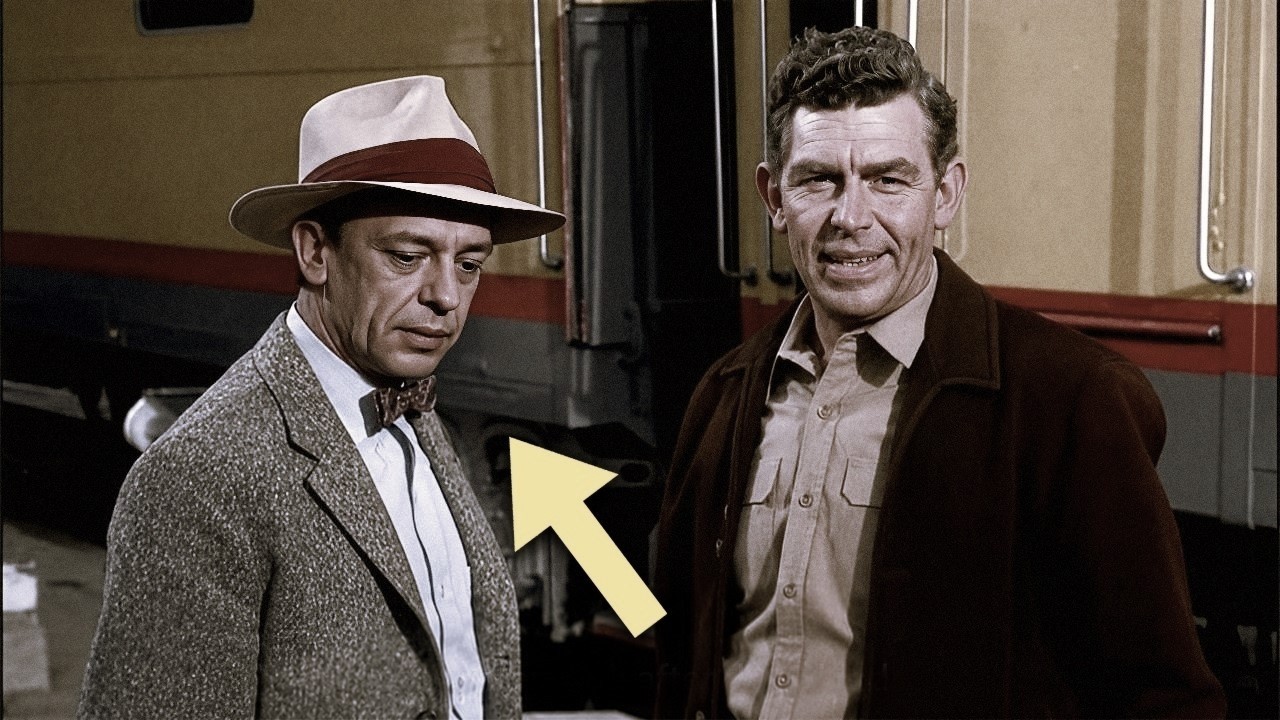
For six seasons, millions of viewers watched Rick Dale and his family restore forgotten relics on the History Channel’s American Restoration. The show transformed rusty soda machines and vintage gas pumps into polished treasures, turning the Las Vegas shop owner into an unlikely television star. Then, without warning, the series disappeared, the shop closed, and the Dale family was left to pick up the pieces. The end of American Restoration was not a creative decision or a mutual parting of ways.
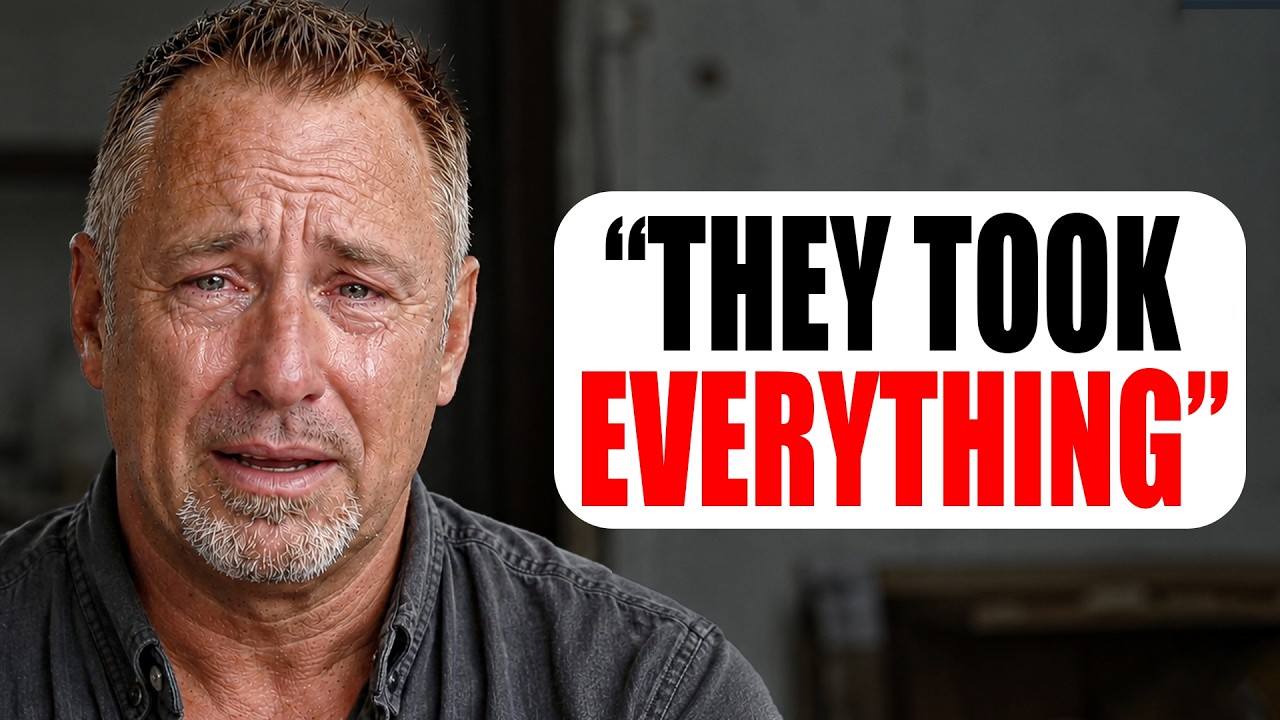
According to Rick Dale, the network blindsided him and his entire family crew after season 6 concluded in 2015. There was no farewell episode, no wrap party, and no official announcement to fans. The family was simply fired. Strict non-disclosure agreements in their production contracts legally prevented Rick and his wife Kelly from publicly discussing the firing for months.
During that silence, fans speculated about what had happened. When the legal window cleared, Rick released an emotional self-shot video on social media, visibly upset, stating that he and his family had been fired by the network. He urged fans to protest on the History Channel’s web pages. The success of American Restoration began with Rick’s appearances as a guest expert on Pawn Stars starting in 2009.
His first segment involved restoring an antique Coca-Cola vending machine for Rick Harrison. He appeared in nine more episodes, handling gas pumps, barber chairs, and jukeboxes, proving to network executives that he could carry his own show. When the network approached him about a standalone series, Rick was reluctant. He worried about the disruption filming would bring and had seen what reality television could do to people.
Producers eventually convinced him, promising creative control and positioning the show as a celebration of his craft. American Restoration premiered on October 25, 2010, debuting to massive numbers. The premiere drew over five million viewers, making it one of the highest-rated spin-off launches in the network’s history. The series was broadcast internationally under the title Kings of Restoration and maintained top cable ratings for six consecutive seasons, spanning more than 130 episodes from 2010 to 2015.
Behind the scenes, the production was punishing. Leftfield Pictures placed the shop on a demanding cycle of up to 26 episodes per year. This forced a real-world artisanal shop to complete complex historical rebuilds in days rather than the months typically required for museum-quality work. Rick, a perfectionist, clashed constantly with the production schedule.
The network also pushed to stage organic item arrivals. Producers would purchase items beforehand and script fake bargaining sequences, clashing with Rick’s desire for real walk-in customer business. He resented being forced to participate in scenarios that felt fake and contrived. Filming conditions added to the strain.
Rick’s Restorations was not centrally air-conditioned in the heavy work bays. During Las Vegas summers, temperatures inside the shop regularly exceeded 110 degrees Fahrenheit, causing camera equipment to overheat and shut down. The crew worked in brutal heat, and delays stretched filming days late into the night. As the show grew, producers demanded increasingly rare items like 1920s slot machines and neon signage.
Finding authentic period-correct parts on a 48-hour deadline became impossible. Production assistants would secretly source modern replica parts, violating Rick’s strict craftsmanship standards and fueling heated arguments. The editing process created additional frustration. Producers often cut episodes to manufacture drama, portraying conflicts that were exaggerated or entirely invented.
Younger cast members were shown as lazy or incompetent, damaging their reputations and self-esteem. Rick’s personal history compounded the pressure. He had endured a painful divorce that stripped him of his wealth. In 2003, a massive structural fire destroyed his entire workshop, burning decades of collected antique tools and uninsured customer projects.
He rebuilt his livelihood from zero. Tragedy struck again in 2010, just as American Restoration was greenlit. Rick and Ron Dale’s father, who had been Rick’s primary restoration mentor, passed away. Rick had to film the high-energy first season while privately processing intense grief.
He later admitted that maintaining a cheerful on-screen persona while grieving his father was one of the most difficult challenges he had ever faced. Rick’s son Tyler was thrust onto national television as a teenager. Producers heavily edited episodes to portray him as lazy or incompetent compared to his father. Tyler later revealed that the pressure of being on camera as a teenager was overwhelming and that the negative portrayal affected his self-esteem for years.
Step-son Bretly Otterman was systematically edited to be comic relief, a bumbling worker of the shop. The forced persona led to real-world mockery from viewers and caused intense personal frustration. He was a skilled worker, but the show made him look like a fool. Kevin “Cowboy” Lowry was not playing a character.
He possessed a genuinely gruff, highly volatile personality and fiercely resisted being filmed around his dangerous metalworking machinery. Explosive, unscripted arguments with television directors became routine. While the show generated millions in ad revenue for the History Channel, secondary cast members received standard flat-rate reality television stipends. The massive gap between network profits and the cast’s actual daily physical labor created deep internal resentment regarding compensation.
At the conclusion of season 6 in 2015, History Channel executives decided to fire Rick Dale and his entire family crew. The decision was made behind closed doors, and the family was given no opportunity to say goodbye to their fans. The History Channel rebooted the show for season 7 in 2016, replacing the single Las Vegas shop with five rotating restoration businesses across America. Fans boycotted the new cast, rejecting the lack of family chemistry and the corporate feel of the new shops.
Viewership numbers fell so fast that the network permanently canceled the entire franchise after just 13 episodes. Listeners and viewers had not been tuning in for the antiques alone. They had been tuning in for the Dales. The firing was devastating financially as well as emotionally.
Rick had invested heavily in the shop, expanding his footprint and hiring additional staff to accommodate the influx of customers generated by the show. The sudden cancellation left him with massive overhead costs and no revenue to cover them. Once the History Channel’s free marketing apparatus vanished, walk-in traffic and high-end television commission orders dried up. Unable to sustain the monthly overhead, Rick Dale was forced to shut down Rick’s Restorations permanently and liquidate the business.
Today, Rick has stepped out of the Hollywood limelight. Together with Kelly, he founded an independent small-scale artisan business called My Best Font Forward LLC in Las Vegas, focusing on custom laser-cut metal art, personalized signs, and embroidery. He also authored a collector’s reference book titled Classic Soda Machines. Tyler Dale walked away from commercial television entirely.
He now operates a custom woodworking, welding, and fabrication business out of a heavily modified vintage Airstream trailer, living a mobile, off-grid lifestyle. Bretly Otterman exited public life, returning quietly to local automotive mechanical work in Nevada. Cowboy completely vanished from the public eye, refusing interviews and cutting off all social media ties. American Restoration ended because of a corporate miscalculation.
Executives prioritized a modular multi-shop structure they could control and scale without paying high talent salaries to a single family. They fundamentally failed to realize that audiences watched for the Dale family dynamic, not just the rusty metal. The cancellation left the show’s creators betrayed, the shop closed, and a once-thriving family business reduced to a cautionary tale about the dangers of prioritizing profits over the people who made a show special.